
Our Mold Remediation Projects
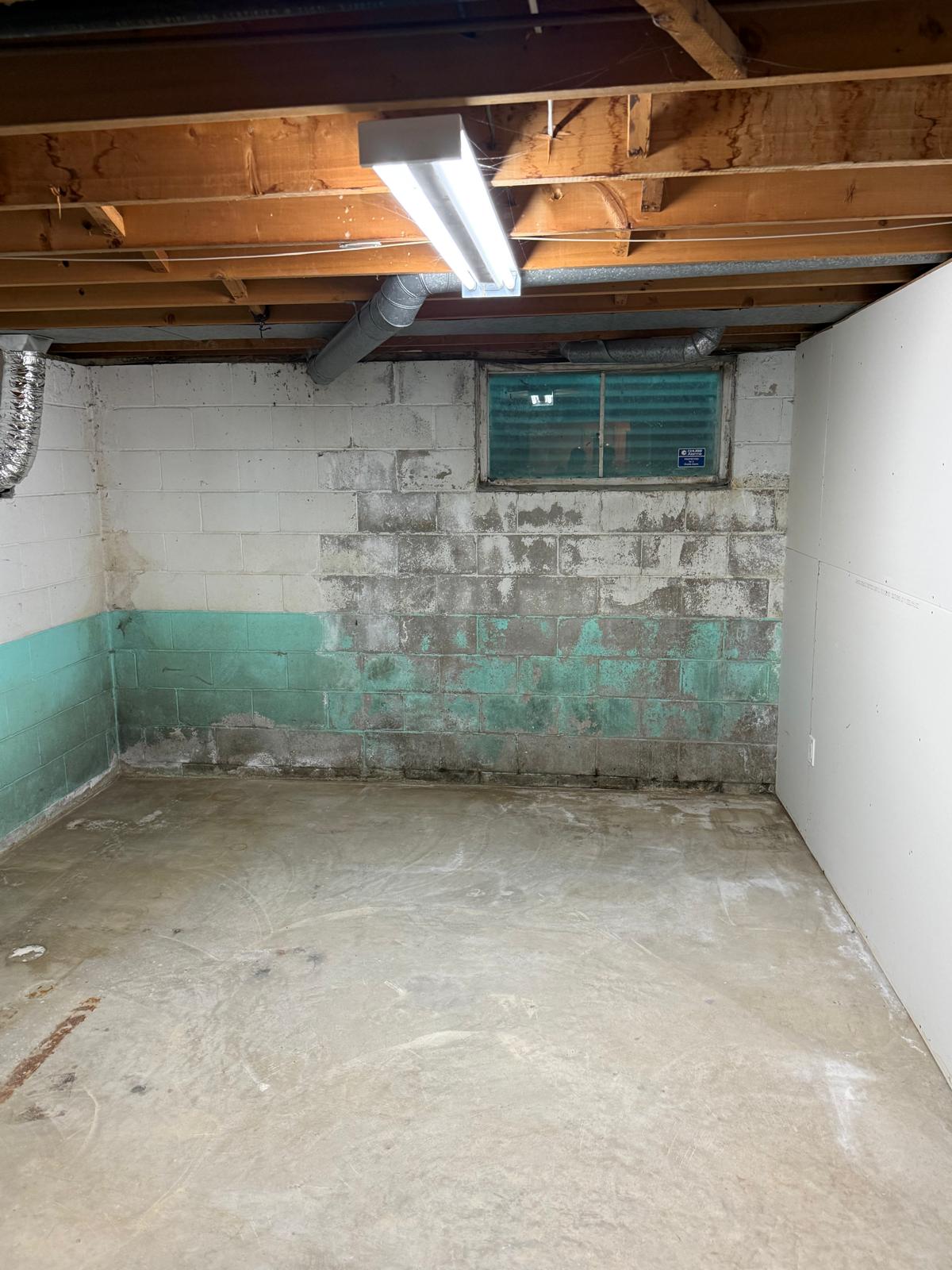
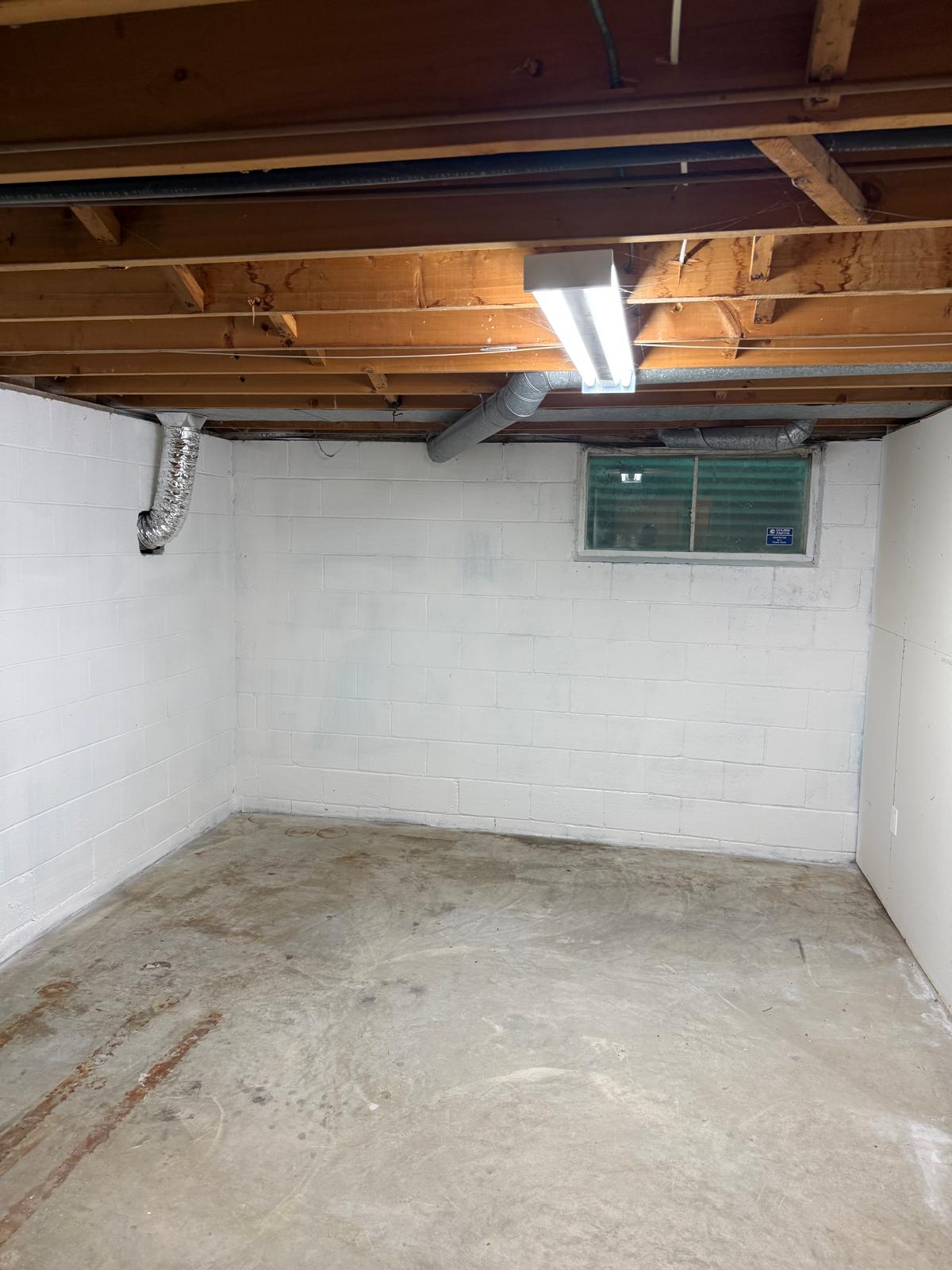
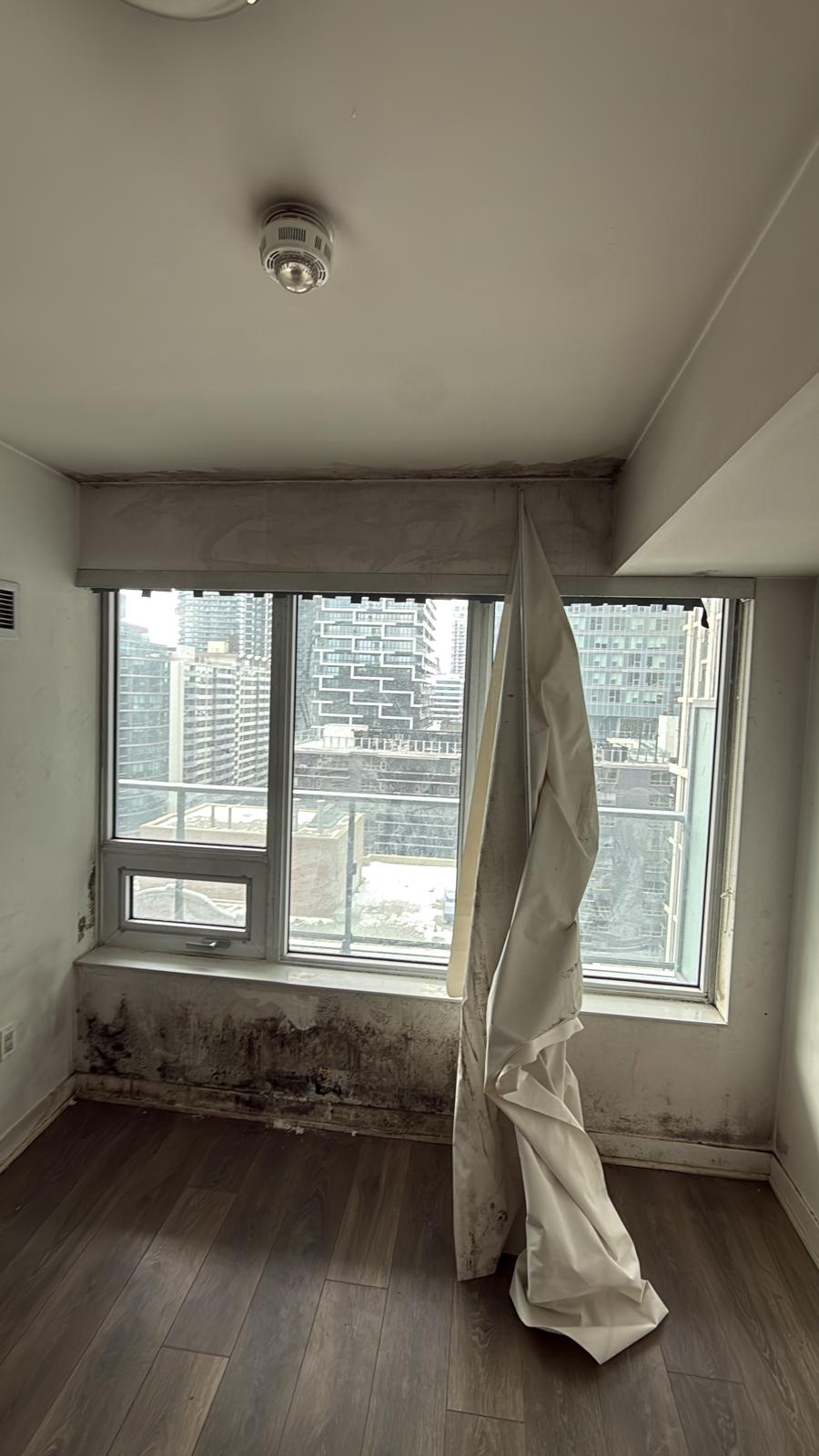
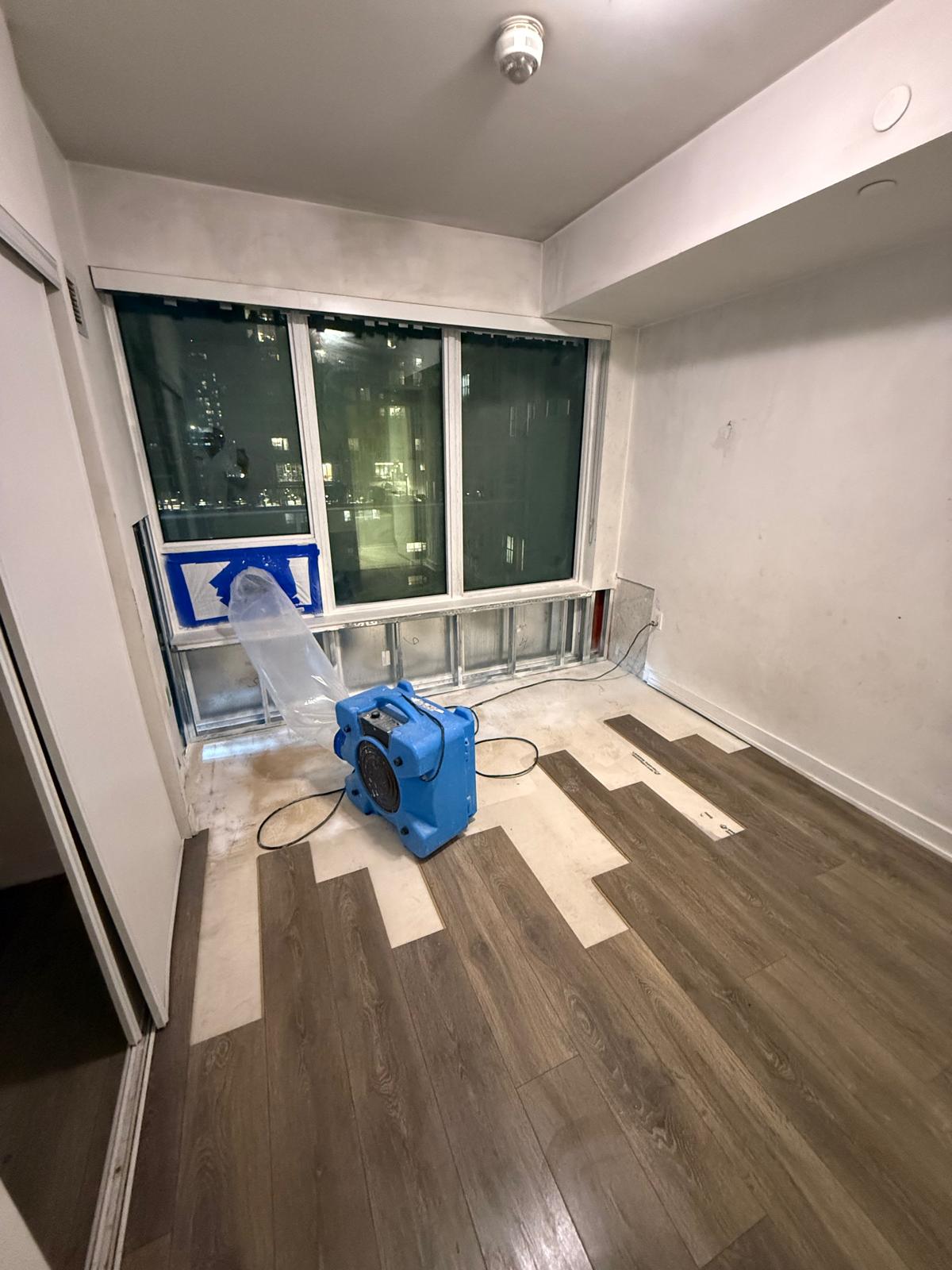
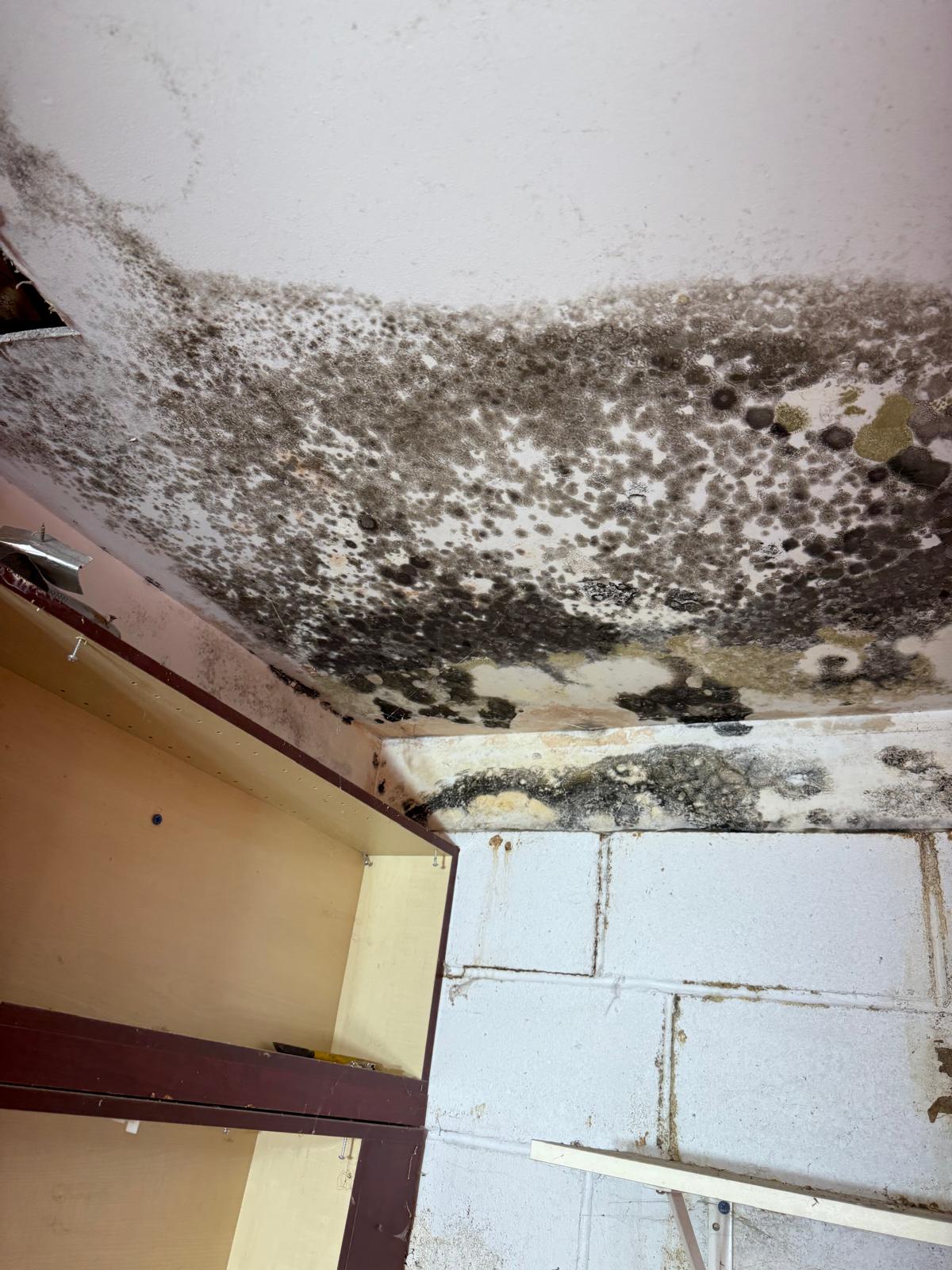
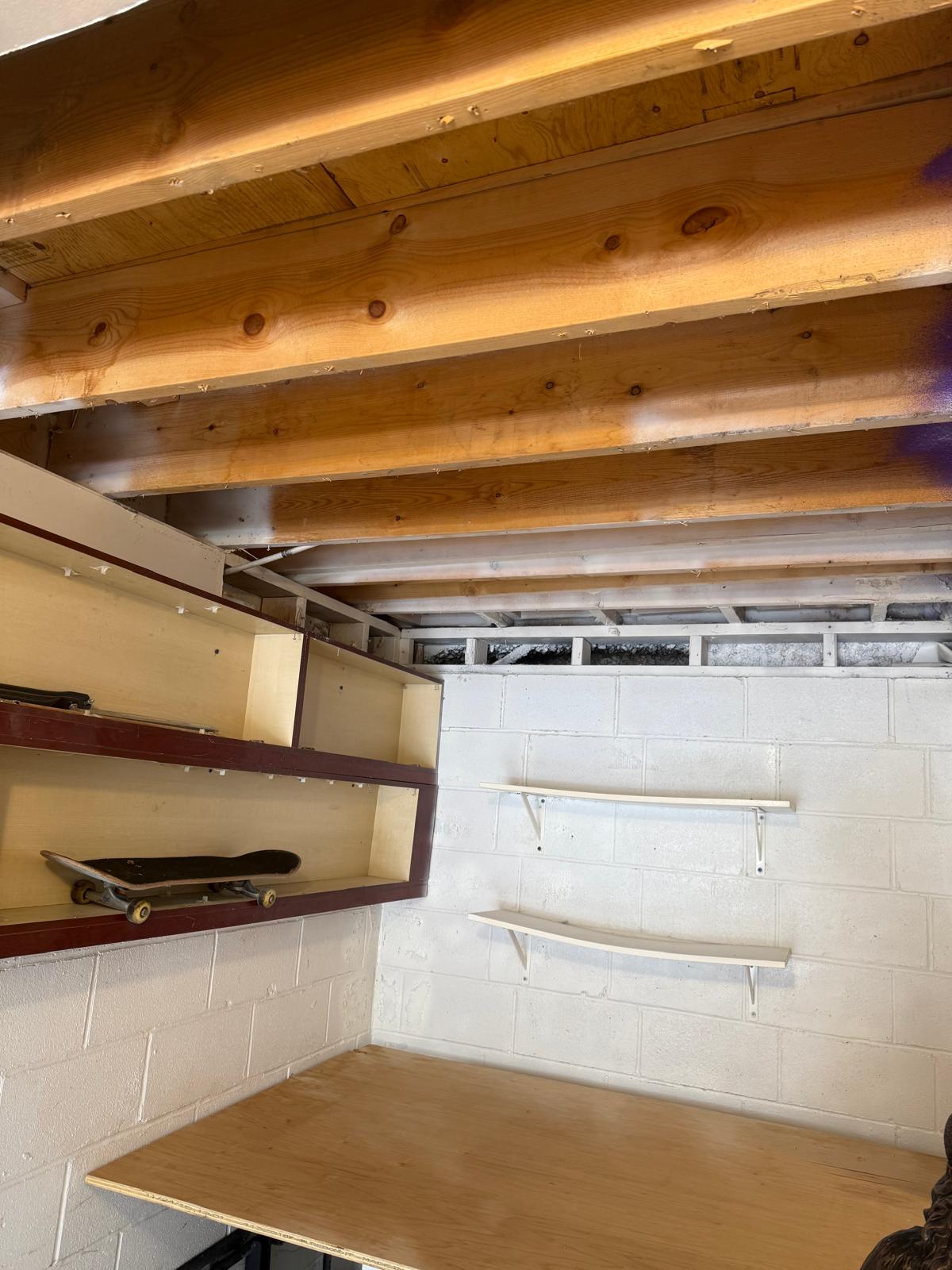
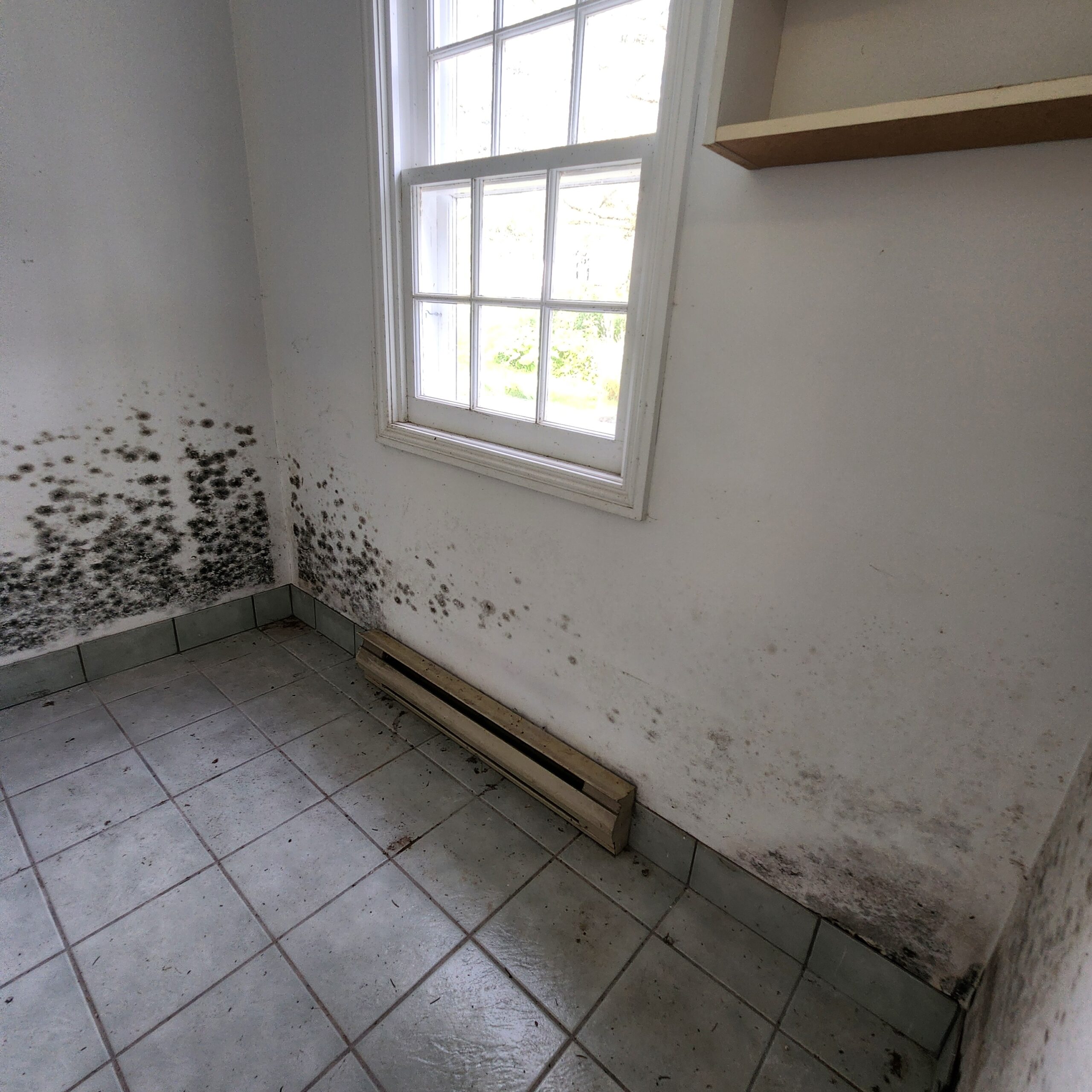
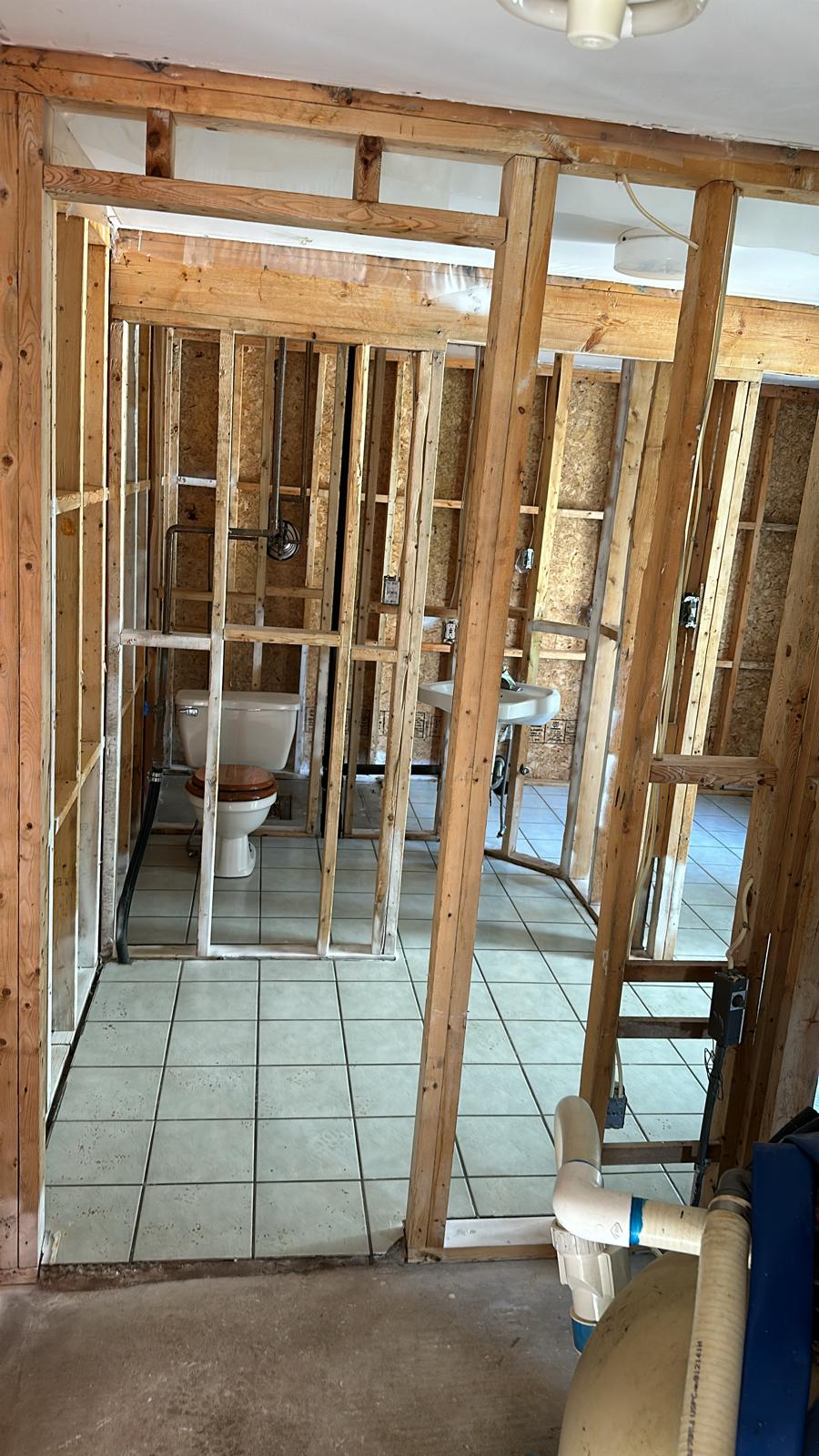
The before and after images below show completed mold remediation projects handled by Ultimate Mold Crew across Toronto and the Greater Toronto Area.
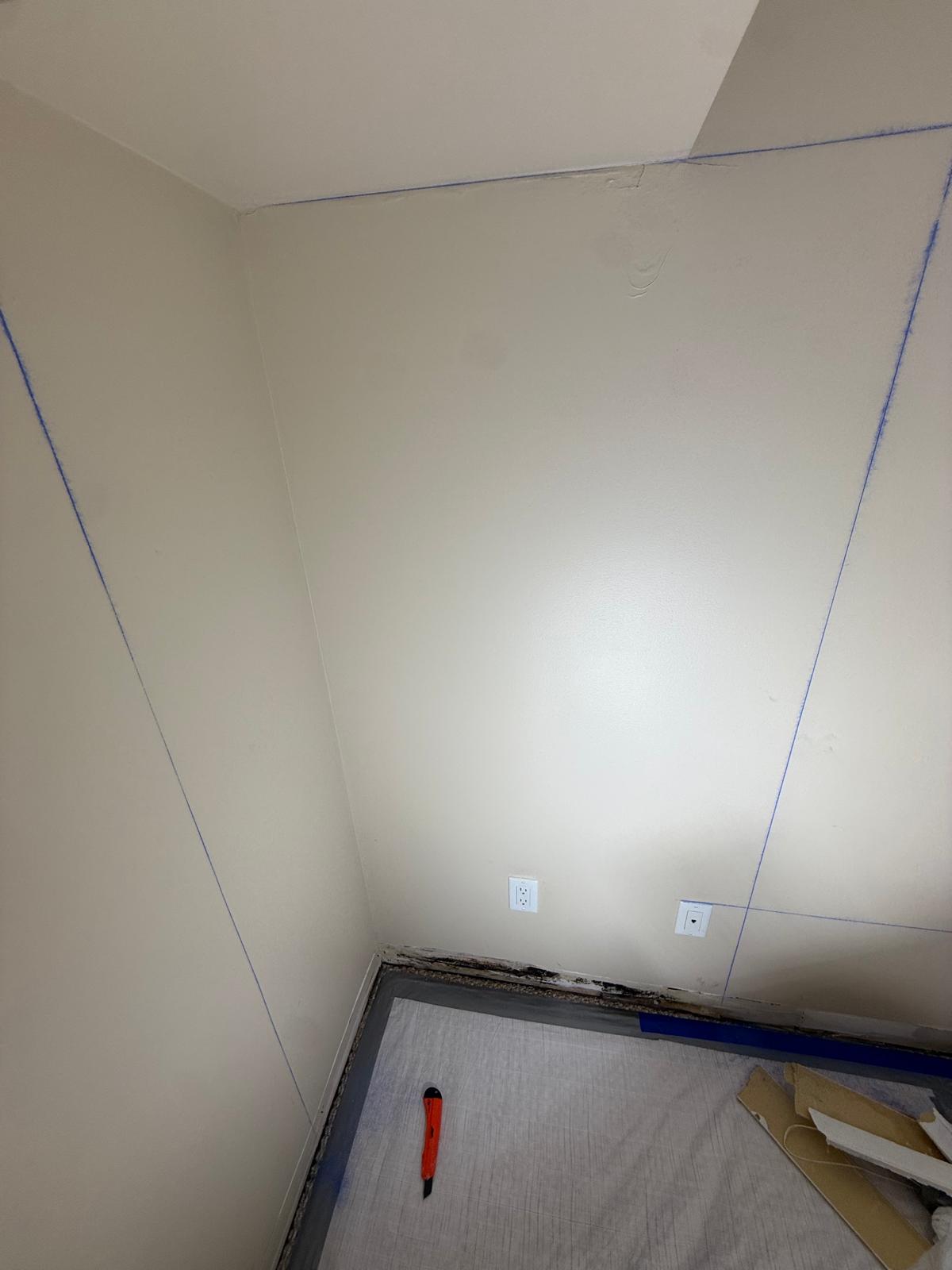
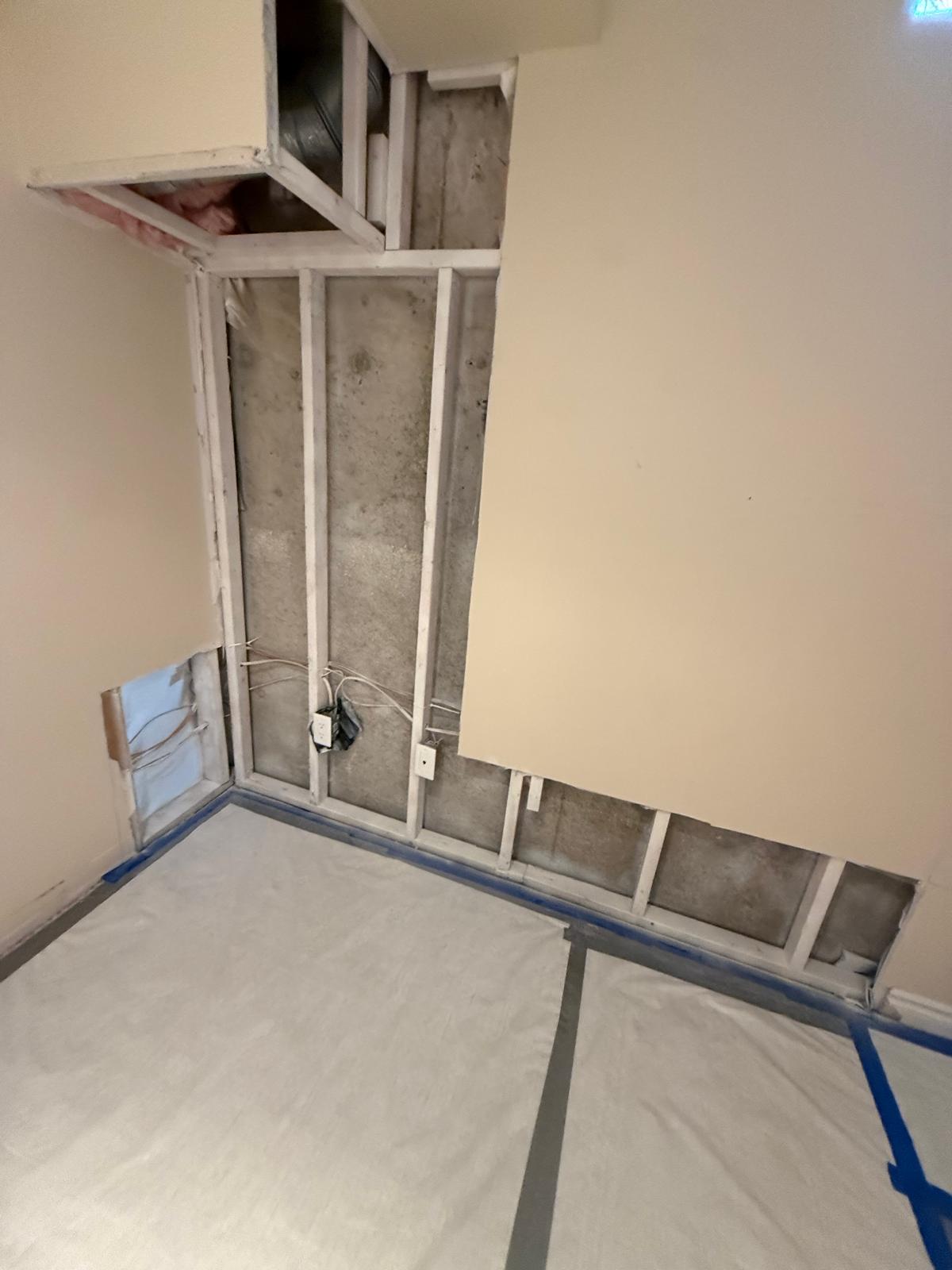
These projects involved different property types, moisture sources and affected materials. Some required localized surface remediation. Others involved containment, removal of damaged drywall or insulation, cleaning of structural wood, HEPA filtration and drying before repairs could begin.
The visible mold is only one part of the problem. During each project, we also assess the conditions that allowed the growth to develop. These may include roof leaks, plumbing failures, foundation seepage, condensation, elevated humidity, poor ventilation or moisture trapped inside walls and ceilings.
Our remediation process is based on the actual condition of the property. We do not apply the same treatment to every project.
Before - After Mold Removal Photos
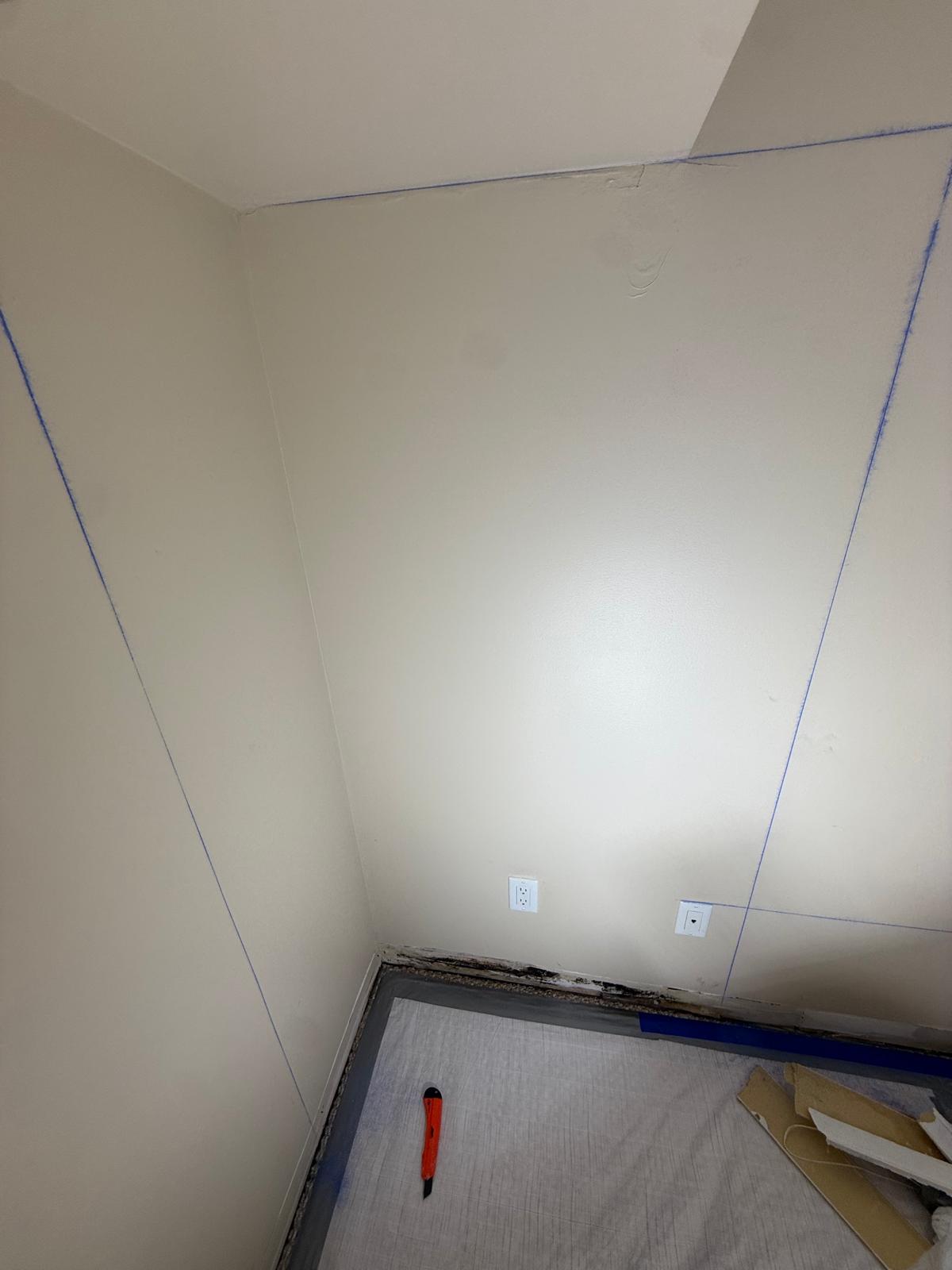
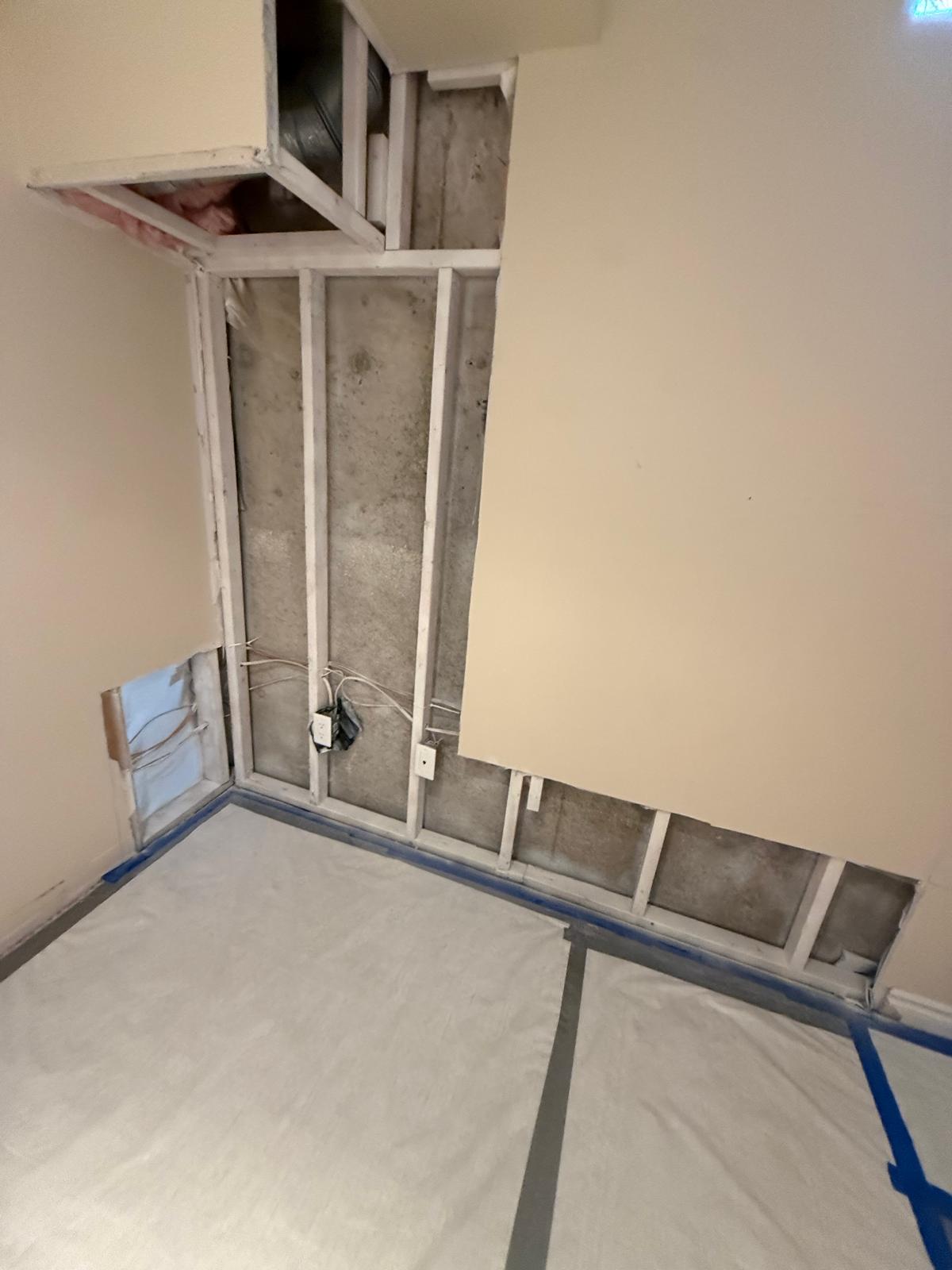
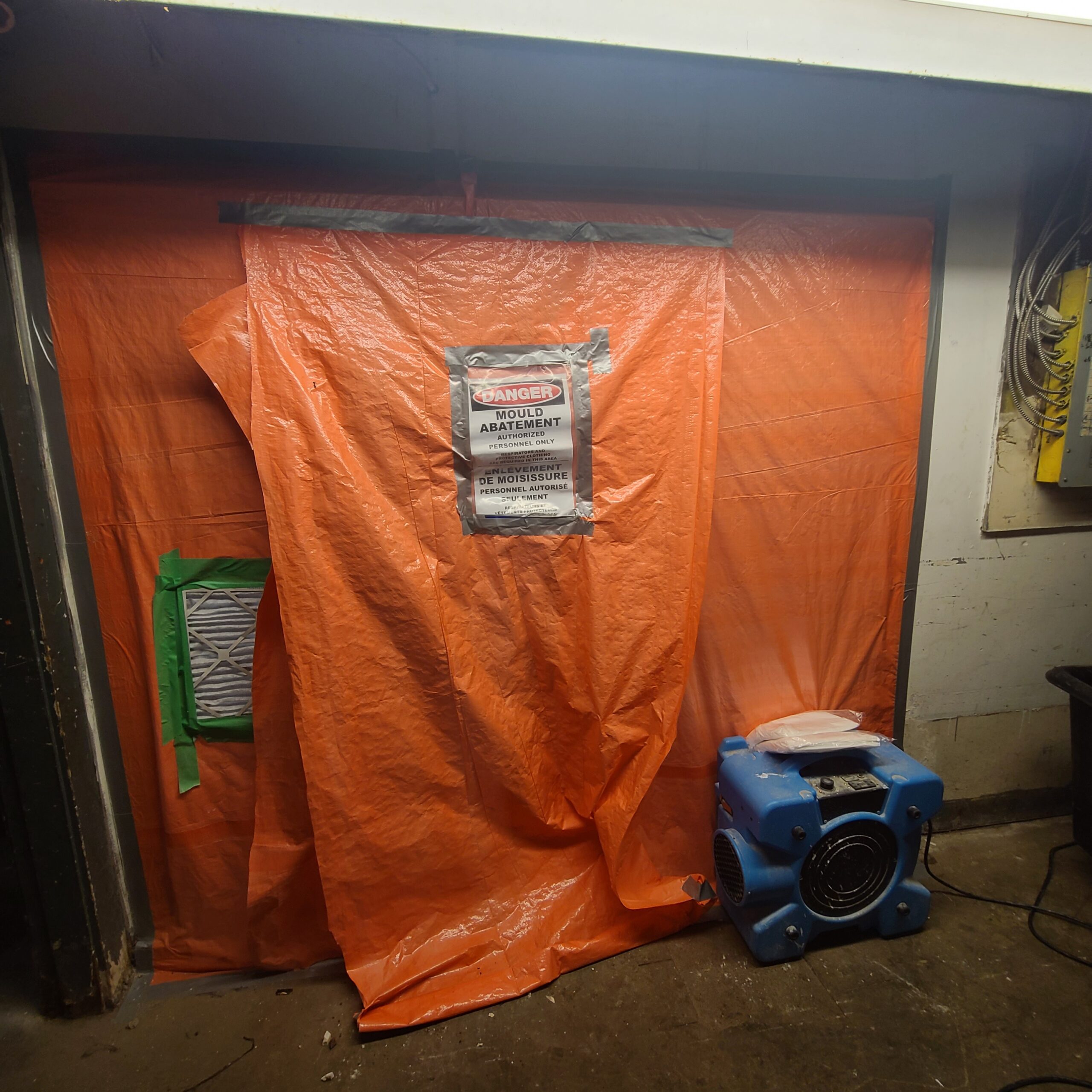
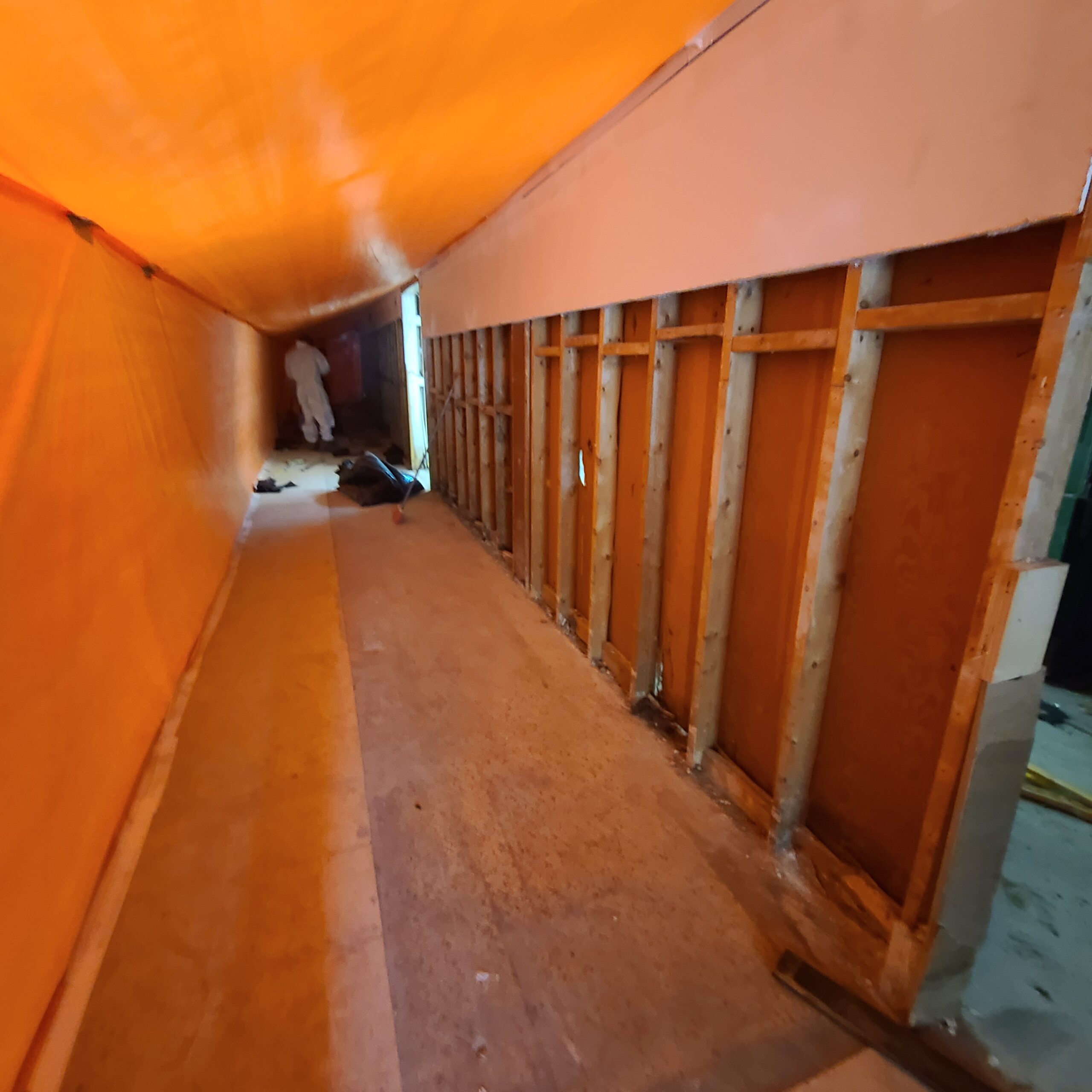
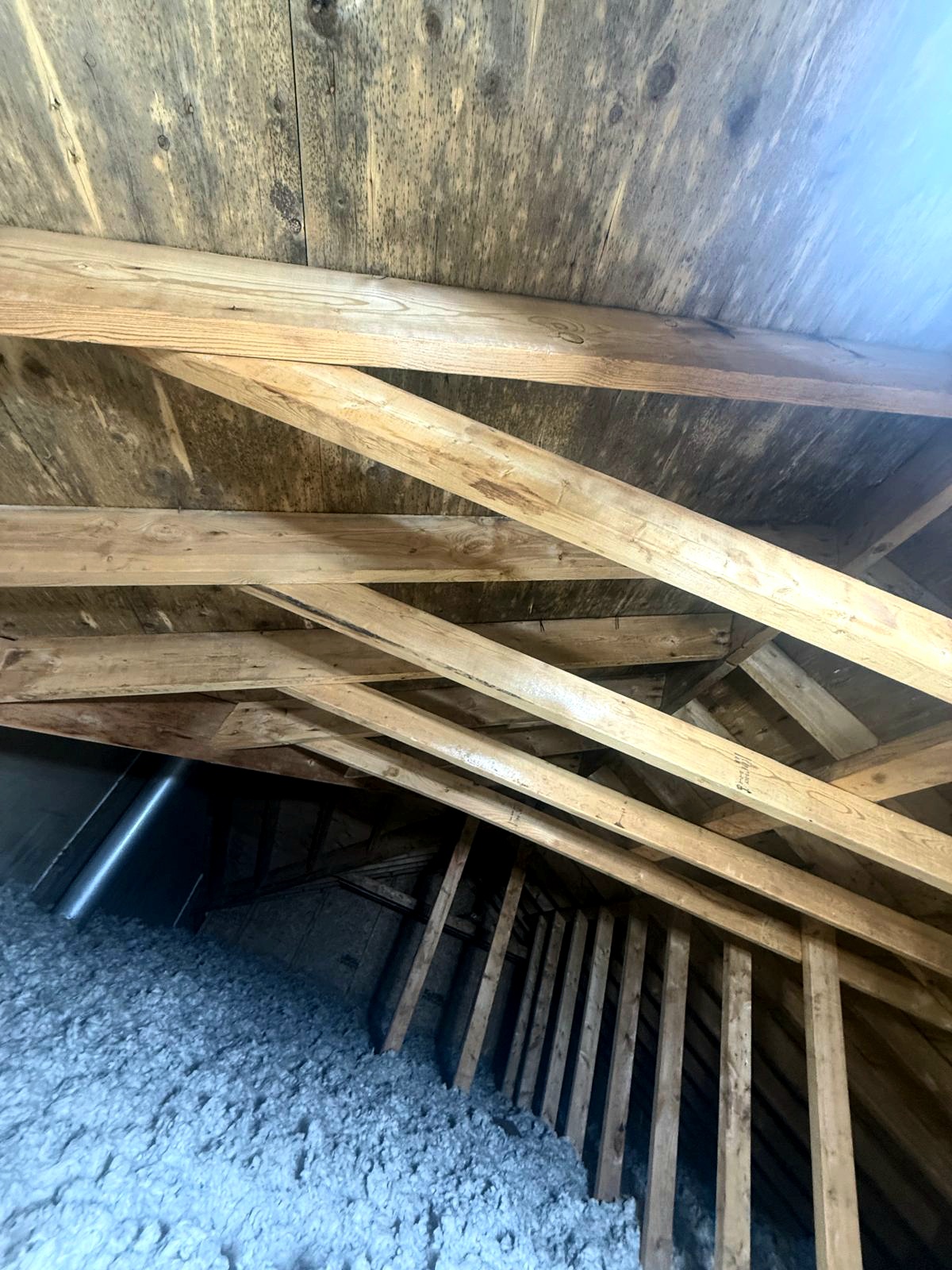
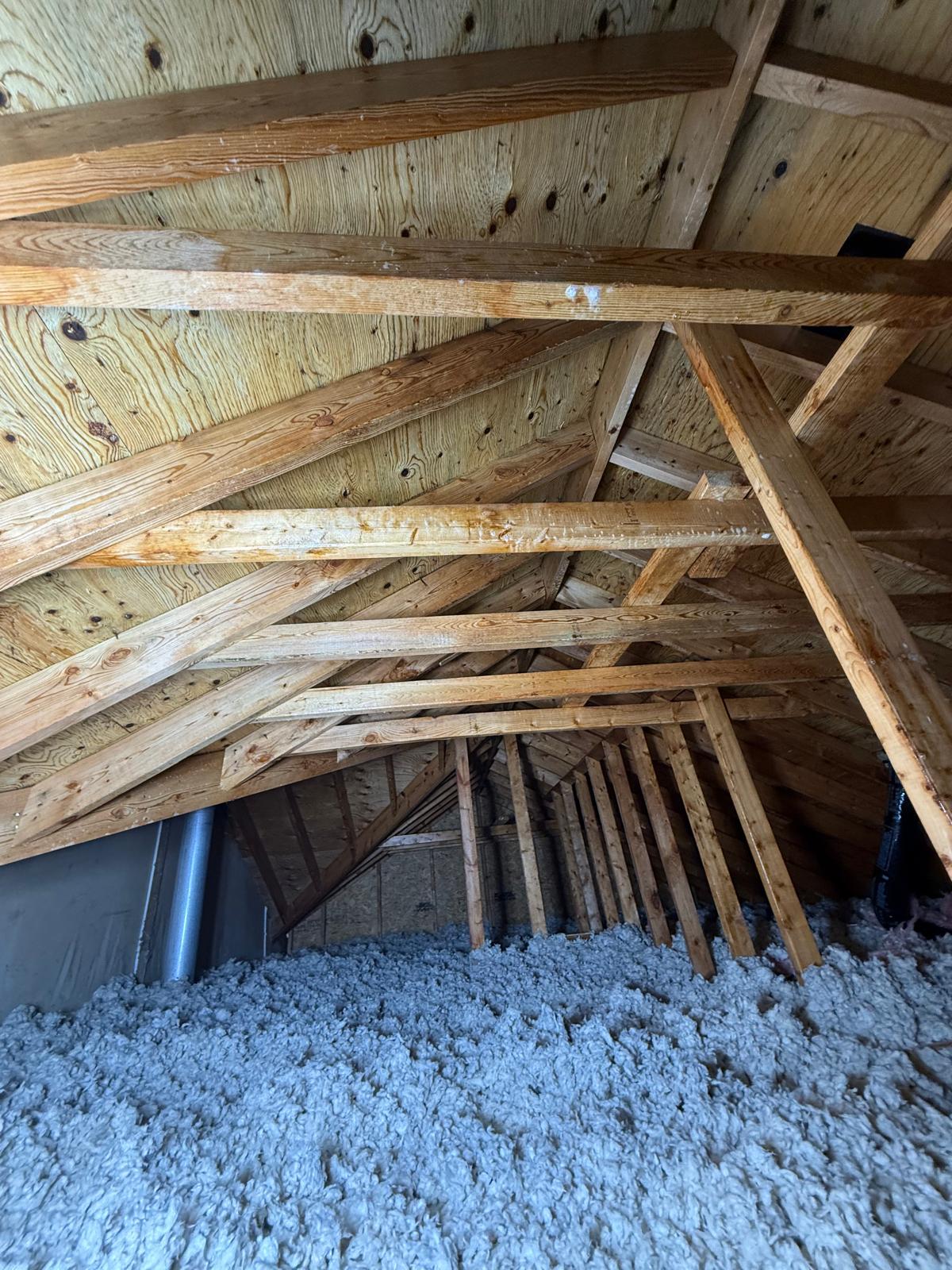
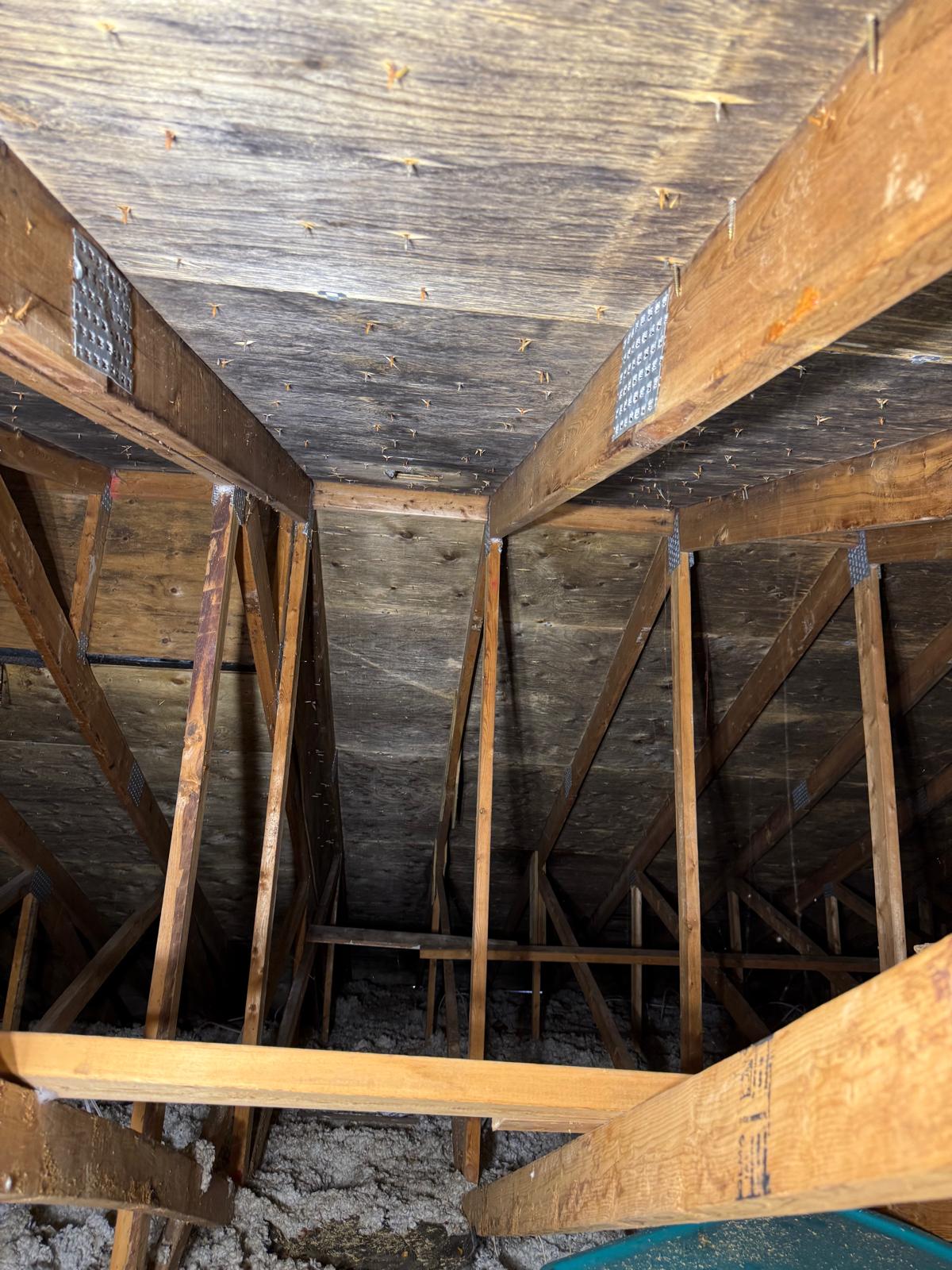
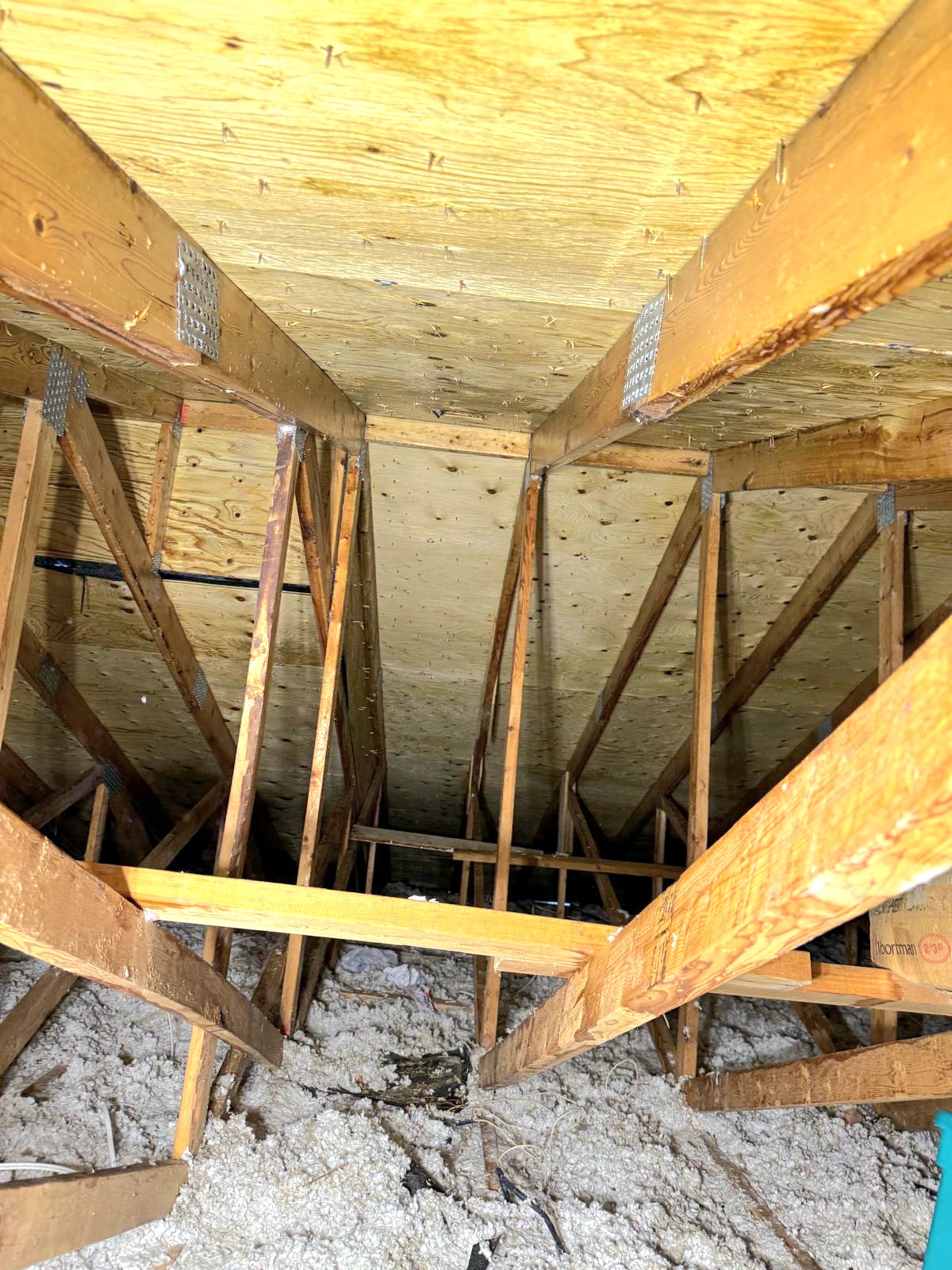
Attic Mold Remediation: Mold affecting roof sheathing after warm, humid air entered through ceiling penetrations. The project included containment, structural surface cleaning and recommendations for attic air sealing and ventilation.
Request a free mold inspection for a similar mold problem?
Are these real mold remediation projects?
Yes. The before-and-after images on this page show mold inspection, removal and remediation work completed by Ultimate Mold Crew in Toronto and surrounding Greater Toronto Area communities.
The images may show only part of a larger project. Containment, equipment placement, material removal and drying work are not always visible in the final photographs.
Why does the affected area sometimes look larger after remediation begins?
Visible mold does not always reveal the full extent of contamination.
Once damaged drywall, insulation, flooring or other finishes are removed, additional mold or moisture damage may be found behind them. The work area may need to be extended until the affected materials have been removed and the remaining structure can be properly cleaned and dried.
Does moldy drywall always need to be removed?
Not every discoloured surface requires demolition.
However, drywall is porous. When mold has affected the paper facing, entered the gypsum core or developed behind the panel, surface cleaning may not be sufficient. Removal is often required when drywall is wet, soft, deteriorated or visibly contaminated through its depth.
Can mold be removed from wood framing?
Wood framing can often be saved when it remains structurally sound.
The appropriate treatment depends on the condition of the wood, depth of growth, moisture level and amount of deterioration. Remediation may include HEPA vacuuming, detailed surface cleaning and controlled removal of affected surface material where appropriate.
Wood that is decayed or structurally compromised may require replacement by a qualified contractor.
Why are containment barriers used during mold removal?
Containment helps separate the work area from unaffected parts of the property.
Removing drywall, insulation and other contaminated materials can release dust and particles. Physical barriers, negative air pressure and HEPA-filtered equipment help reduce movement outside the remediation zone.
The level of containment depends on the size, location and complexity of the project.
Do you test the mold before removing it?
Mold testing is not required for every project.
When visible mold and a clear moisture problem are present, inspection and remediation may be more useful than identifying the exact species. Mold Testing may be recommended when the source is unclear, contamination may be hidden, documentation is required or post-remediation verification is requested.
Do before-and-after images prove that all mold has been removed?
Photographs document visible conditions and completed work, but images alone cannot confirm moisture levels inside concealed materials.
A complete remediation process may also involve moisture readings, inspection of exposed building materials, drying verification and, where appropriate, post-remediation testing.
Can we remain in the property during mold remediation?
That depends on the project.
Some localized jobs can be isolated while the rest of the property remains occupied. Larger projects, extensive demolition or work involving vulnerable occupants may require temporary relocation from the affected area or property.
Can you provide an estimate from photographs?
Photographs and video can help us understand the visible condition and determine the next step.
However, concealed mold, wet insulation, structural damage and the full extent of contamination may not be visible in images. An on-site inspection may be needed before a final remediation scope and price can be confirmed.
Do you provide mold remediation for residential and commercial properties in GTA?
Yes. Ultimate Mold Crew works with:
- GTA Homeowners
- Landlords
- Tenants
- Condominium owners
- Property managers
- Real-estate professionals
- Contractors
- Commercial property owners
Projects may involve houses, condominiums, rental units, offices, retail spaces and other managed properties.
Which areas of a property can you remediate?
Our projects may involve:
- Attics
- Basements
- Cold rooms
- Crawl spaces
- Bathrooms
- Kitchens
- Bedrooms
- Laundry rooms
- Window openings
- Ceilings
- Drywall
- Insulation
- Wood framing
- Roof sheathing
- Flooring and subfloors
The recommended approach depends on the material and moisture source.
Request a free mold inspection for a similar mold problem?
Call Ultimate Mold Crew at 647-985-2739 or send photographs of the affected area through our website..
