
Updated on 04-May-2026
Table of Contents
Basement Mold Prevention Tips
Basements are particularly vulnerable to mold growth due to their naturally damp, dark, and often poorly ventilated conditions. Mold spores thrive in environments where moisture accumulates and air circulation is limited. Taking proactive steps to manage humidity, seal water entry points, and maintain airflow can significantly reduce the risk of infestation.
Why does mold keep forming in basements?
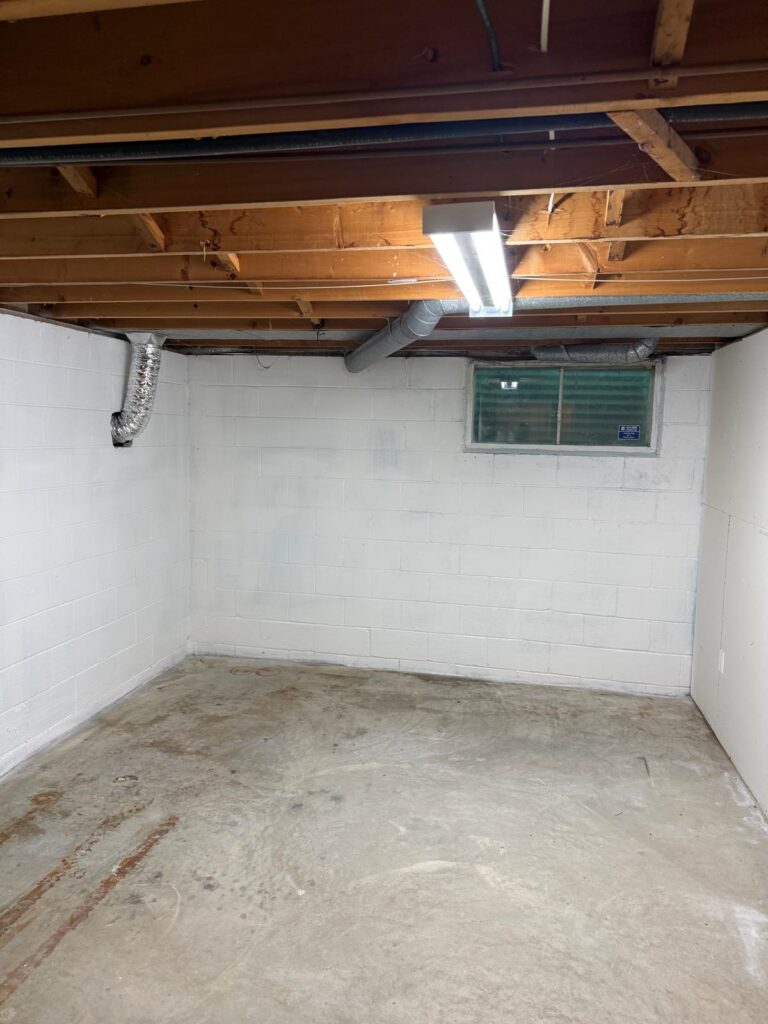
You clean it once.
It comes back.
Then you notice a musty smell that never fully goes away.
That’s usually the first sign the problem isn’t surface-level.
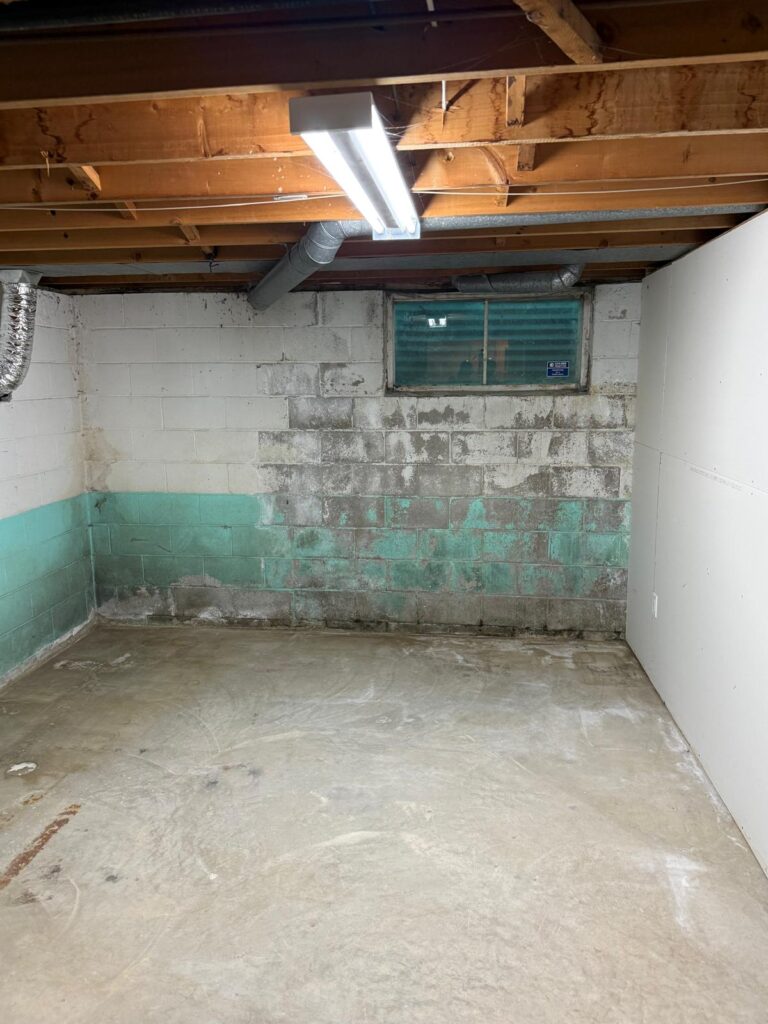
Basement mold forms because moisture stays trapped where you can’t see it.
In most Toronto homes, the issue is not “dirty space.” It’s:
- Ground moisture pushing through foundation walls
- Humidity building up with no airflow
- Small leaks going unnoticed for months
- Finished basements trapping moisture behind drywall
If moisture is not controlled, mold will always return.
These factors contribute to stagnant, moist air where mold colonies can easily form and spread on drywall, wood, insulation, and storage boxes.
Why Basements Are So Prone to Mold Growth
Basements sit below ground level.
That alone creates constant moisture pressure.
Here’s what makes them high-risk:
1. Soil moisture around the foundation
Water from rain and snowmelt builds up around basement walls.
Over time, it seeps in.
2. Poor airflow
Many basements have:
- No windows
- Weak ventilation
- Blocked vents
This traps humid air inside.
3. Condensation buildup
Cold walls + warm indoor air = moisture forming on surfaces.
4. Hidden leaks
Basements often contain:
- Sump pumps
- Laundry systems
- Drain lines
Even a slow leak can create a mold hotspot.
According to United States Environmental Protection Agency, mold growth depends primarily on moisture levels, not dirt
Expert Tips to Prevent Basement Mold Growth
1. Keep Humidity Between 40% and 50%
This is the single most important factor.
Use:
- A dehumidifier with auto-drain
- A hygrometer to monitor levels
If humidity goes above 55%, mold risk increases fast.
2. Improve Air Circulation
Air movement reduces moisture buildup.
Simple fixes:
- Run fans regularly
- Extend HVAC ducts into the basement
- Avoid blocking vents with storage
Even small airflow improvements reduce mold risk.
3. Seal Foundation Cracks Early
Small cracks allow water intrusion.
Over time, they create:
- Damp drywall
- Wet insulation
- Hidden mold growth
Seal with:
- Hydraulic cement
- Polyurethane caulking
For recurring issues, exterior waterproofing is the long-term fix.
4. Fix Plumbing Leaks Immediately
Even slow drips create long-term problems.
Check:
- Pipe joints
- Laundry connections
- Sump pump systems
A small leak left for weeks can lead to hidden mold behind walls.
5. Keep Water Away From the Foundation
Outside drainage matters more than most homeowners realize.
Make sure:
- Gutters are clean
- Downspouts extend away from the house
- Ground slopes away from the foundation
This reduces water pressure against basement walls.
6. Use Mold-Resistant Materials
If your basement is finished or being renovated:
- Use mold-resistant drywall
- Choose closed-cell foam insulation
- Avoid carpet flooring
Moisture-resistant materials reduce long-term risk significantly.
7. Act Fast After Any Water Event
Flooding, leaks, or spills must be handled quickly.
The key window:
- Mold can begin growing within 24–48 hours
Dry everything immediately using:
- Fans
- Dehumidifiers
- Professional drying if needed
Common Mistakes That Make Basement Mold Worse
These are surprisingly common:
- Storing cardboard boxes directly on the floor
- Using rugs or carpets in damp basements
- Turning off dehumidifiers to save electricity
- Ignoring minor leaks
- Finishing basements without proper waterproofing
Each of these traps moisture and feeds mold growth.
When Basement Mold Signals a Bigger Problem
Not all mold is surface-level.
Call a professional if:
- Mold keeps returning after cleaning
- You smell musty odours with no visible source
- Walls feel damp or soft
- There was past flooding
- You see mold spreading along baseboards or drywall
At that point, the issue is usually behind the surface.
What We See in Toronto Basements
At The Mold Guy, most basement mold cases are linked to:
- Foundation seepage after heavy rain
- Poor grading around older homes
- Finished basements trapping moisture
- Inadequate ventilation systems
- Long-term humidity issues
Many homeowners only notice mold after it spreads beyond storage areas.
Can Basement Mold Affect the Rest of Your Home?
Yes.
Mold spores don’t stay in one place.
They travel through:
- Stairwells
- Air ducts
- HVAC systems
This can impact air quality throughout the entire home.
Basement Mold Prevention Checklist
Use this as a quick reference:
- Keep humidity below 50%
- Run a dehumidifier year-round
- Improve ventilation
- Seal foundation cracks
- Fix leaks immediately
- Keep storage off the floor
- Use mold-resistant materials
- Dry the area quickly after any water exposure
How quickly can mold grow in a basement?
Mold can begin growing within 24 to 48 hours if moisture is present.
Is basement mold always visible?
No. It often grows behind drywall, insulation, or flooring.
Do all basements need a dehumidifier?
In Toronto, most basements benefit from one, especially during spring and summer.
Can I remove basement mold myself?
Small surface mold can be cleaned. Recurring or hidden mold should be handled by professionals.
Final Takeaway
Basement mold is not a cleaning issue.
It is a moisture control issue.
If you control humidity, airflow, and water entry, you remove the conditions mold needs to survive.
Ignore those, and it will always come back.
Sources
- https://www.epa.gov/mold/brief-guide-mold-moisture-and-your-home
- https://www.cdc.gov/mold-health/about/index.html
- https://extension.umn.edu/moisture-and-mold-indoors/dealing-and-preventing-mold-your-home
- https://ehs.ncsu.edu/occupational-health/indoor-air-quality/mold-remediation-guidelines/
- https://en.wikipedia.org/wiki/Indoor_mold
