
Updated on 10-Dec-2025
Mold in a laundry room forms when humidity, slow leaks, poor ventilation, or trapped moisture inside washers create a damp microclimate. You can spot it on walls, gaskets, floors or behind machines. Fixing moisture, improving airflow, and cleaning hidden areas help stop recurring growth. Larger patches or strong odours need professional remediation.
Table of Contents
What Mold in a Laundry Room Looks Like
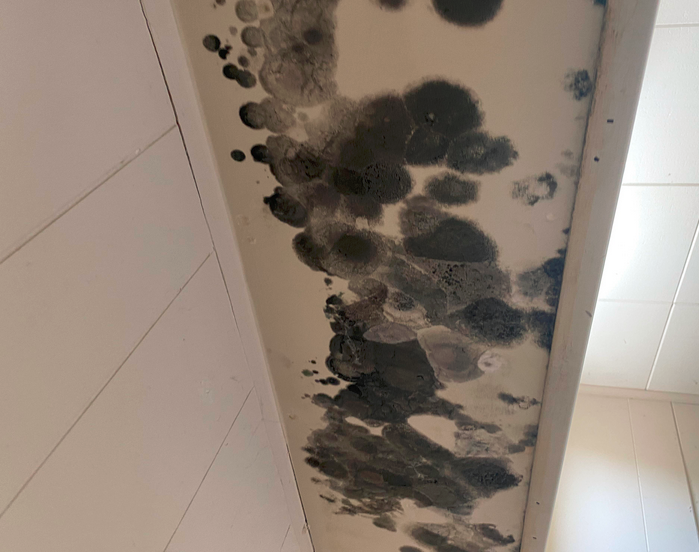
Laundry room mold often appears as black, green, brown or white patches with a fuzzy or spotty texture. It may hide behind machines, sit on walls, collect in washer gaskets, or show up as dark streaks near vents. A sweet, earthy, persistent smell usually signals active growth even before you see it.
Many homeowners find mold late because it hides in places that stay damp or warm for long periods. Laundry rooms create the perfect combination of moisture, heat and limited airflow. Understanding the look, texture and smell helps catch it early.
Common visual cues:
-
Cladosporium appears as dark green or black clusters.
-
Aspergillus can look yellow, grey or white in early stages.
-
Stachybotrys forms dark patches with a wet, dense texture.
-
Mildew creates lighter, powder-like films on walls or ceilings.
Early smell indicators:
-
Earthy smell near the washing machine door seal.
-
Musty odour right after dryer use.
-
Damp clothing smell even after drying.
Where signs commonly appear:
-
Rubber gasket of front-loading washers.
-
Behind the dryer, especially near vent connections.
-
On drywall near laundry sinks.
-
Under vinyl flooring and at baseboards.
-
Inside the detergent dispenser tray.
Main Reasons Mold Forms in Laundry Rooms
Mold forms in laundry rooms when humidity rises above sixty percent, when washer drain lines leak, when dryer vents release moist air indoors, or when wet clothes stay inside the drum. Poor airflow, unsealed concrete walls and high efficiency washers that trap moisture also create ideal conditions for mold growth.
Main causes to address
Laundry rooms create microclimates that stay humid for long periods. Each activity, from running the washer to drying clothes, adds moisture to the room. When that moisture is not vented, mold begins colonising surfaces.
1. High humidity and poor ventilation
-
Laundry cycles spike humidity to seventy percent or higher.
-
Small rooms without exhaust fans trap warm, moist air.
-
Dryer vents that push air indoors create a constant moisture load.
2. Washing machine leaks and drain issues
-
Slow drips from drain hoses wet drywall or floors.
-
Loose connections behind machines send water into hidden cavities.
-
Cracked supply lines release fine mists that go unnoticed for weeks.
3. Dryer vent problems
-
Blocked vents reduce airflow and push moisture into the room.
-
A missing or damaged vent clamp leaks warm air behind the machine.
-
Lint buildup traps water vapour inside the duct.
4. Condensation on cold surfaces
-
Concrete basement walls reach dew point quickly.
-
Metal ducts gather condensation that drips onto flooring.
-
Uninsulated exterior walls grow mold during colder months.
5. Washing machine design issues
-
High efficiency front loaders keep the gasket damp.
-
Detergent trays remain wet between cycles.
-
Doors left closed keep the drum humid.
6. Human habits that support mold
-
Storing wet towels in laundry baskets.
-
Leaving clothes in the washer for hours.
-
Running machines without opening windows or fan systems.
Hidden Places Where Mold Grows in Laundry Rooms
Mold often hides in tight spaces around laundry machines. It grows behind washers, inside detergent trays, under vinyl flooring, on drywall near laundry sinks, and inside rubber gaskets. These areas stay damp and warm, which lets spores settle and spread. Regular checks of these zones help prevent recurring mold problems.
Key hidden zones to inspect
Laundry rooms have several micro-locations where moisture collects. These are places most homeowners never check, which allows spores to settle, attach to damp surfaces and form colonies.
1. Behind the washing machine
Warm air and fine mist from loose drain line fittings create a damp zone.
-
Look for dark streaks on drywall.
-
Check for soft, swollen baseboards.
2. Under and behind the dryer
Dryers push warm, moist air into the room when vents leak.
-
Check for lint that feels damp.
-
Look for black or green clusters near the vent elbow.
3. Washing machine gasket and detergent dispenser
Rubber gaskets trap water. Detergent trays stay wet after cycles.
-
Run a finger along the inner gasket.
-
Look inside the dispenser tray for grey or green films.
4. Subfloor areas and under flooring
Vinyl and laminate trap moisture from small leaks.
-
Lift a corner if possible.
-
Smell for musty odours that rise when warm appliances run.
5. Laundry sink plumbing and drywall
Leaks from old p-traps and flexible hoses soak drywall.
-
Touch the wall for cool, soft spots.
-
Check for bubbling paint or yellow stains.
6. Dryer vent connection points
Loose clamps release humid air behind the machine.
-
Look for dust stuck to the wall near the vent.
-
Feel for warm air escaping during a drying cycle
Laundry Mold Health Risks and Safety Concerns
Laundry room mold can trigger breathing problems, headaches, and allergy symptoms. Spores spread into nearby rooms when machines run or when people disturb affected surfaces. Children, seniors and anyone with asthma react strongly. Mold on porous materials like drywall can release higher spore levels, which increases the health risk.
Although laundry room mold may seem minor at first, it can affect air quality quickly because the space is small and warm. Every wash cycle moves air through the room, lifting spores and spreading them into hallways or bedrooms.
Common health concerns
1. Breathing irritation and allergies
-
Sneezing, coughing and watery eyes are common reactions.
-
Mold spore particles become airborne during drying cycles.
-
People with asthma may feel chest tightness sooner.
2. Headaches and fatigue
Long exposure to damp, musty rooms can increase the chances of headaches or low energy, especially when mold hides behind machines.
3. Higher risk for sensitive individuals
-
Children inhale more air per kilogram of body weight.
-
Seniors and people with compromised immunity react faster.
-
Pets may develop skin irritation around paws.
4. Increased spore movement during laundry use
Vibrations and air movement push spores out of hidden areas.
Dryers push air toward walls, which lifts fungal fragments into circulation.
5. Odour transfer to clothing
Musty smells indicate microbial activity. Clothing can absorb these odours, even after washing.
How to Remove Mold in a Laundry Room (DIY Steps)
You can remove small mold patches in your laundry room with proper safety gear, a cleaner made for non porous surfaces, and a step-by-step process that dries the area completely. Scrub visible growth, run a HEPA vacuum, improve airflow and monitor humidity. Stop if the mold covers porous materials like drywall.
Laundry room mold removal works best when the contaminated area is small and sits on surfaces like tile, metal or sealed wood. The goal is to clean the growth, control the moisture and stop spores from spreading into nearby rooms.
DIY removal steps
1. Wear proper safety protection
-
Gloves, goggles and a respirator mask rated N95.
-
Old clothing that can be washed immediately.
-
Close doors to keep spores contained.
2. Vacuum the area with a HEPA unit
A HEPA vacuum captures fine particles that regular vacuums release back into the air.
-
Vacuum wall edges, floor corners and around hoses.
-
Empty the unit outdoors.
3. Clean the surface correctly
Use the right cleaner based on surface type.
-
Tile, plastic and metal respond well to mould cleaning products or diluted detergent.
-
Avoid using bleach on porous materials because it does not reach deep fibers.
-
Scrub gently to avoid damaging sealants.
4. Rinse and dry the surface fully
Moisture left behind will restart mold growth.
-
Wipe with clean water.
-
Run a fan or dehumidifier until the area feels completely dry.
5. Clean the washing machine gasket and detergent tray
These zones trap moisture daily.
-
Remove the detergent tray and scrub with warm water and vinegar.
-
Wipe the gasket with a mold cleaner and keep the door open for several hours.
6. Fix the source of moisture
Cleaning works only if the moisture problem is eliminated.
-
Tighten drain line connectors.
-
Replace cracked hoses.
-
Clear a blocked dryer vent.
Surface caution list
Never attempt DIY removal on:
-
Wet drywall
-
Insulation
-
Carpet underlayment
-
Subfloor with soft spots
These require professional mold removal to prevent deeper contamination.
When NOT to DIY Laundry Room Mold
Avoid DIY cleanup when the mold covers more than a two by two foot area, sits inside drywall, keeps returning after cleaning, or appears with a strong musty smell. These conditions show deeper moisture problems. Professional remediation is needed to remove hidden spores, prevent spread and restore air quality safely.
Some laundry room mold situations look simple on the surface but involve deeper contamination inside walls, subfloor layers or insulation. When the problem goes beyond a safe DIY range, a trained mold remediation team can remove growth, control moisture and protect the home’s air quality.
Signs you should not attempt DIY
1. Mold keeps returning in the same area
Recurring growth means moisture is trapped inside the surface.
-
Hidden leaks behind washers are common.
-
Wall cavities may remain wet for weeks.
2. Patch is larger than a two by two foot area
This size often indicates spread beyond the outer surface.
-
Airborne spores rise during cleaning attempts.
-
Drywall may need removal.
3. Strong, persistent musty smell
A musty odour that remains after cleaning signals active growth behind the wall.
-
Smells intensify when machines run.
-
Vent heat can push spores into hallways.
4. Mold appears on porous or structural materials
Porous materials hold moisture deeply.
-
Insulation
-
Drywall
-
Subfloor under vinyl
-
MDF cabinetry
5. Health symptoms during or after laundry use
-
Itchy eyes or coughing near the machines
-
Headaches after drying cycles
-
Difficulty breathing for sensitive individuals
6. Water damage event in the past forty eight hours
Washer overflows and drain backups saturate building materials.
-
Mold can start within twenty four to forty eight hours.
-
The area may need structural drying equipment.
Why professional mold remediation matters
-
Uses negative air pressure and containment to isolate the room.
-
Removes contaminated drywall safely.
-
Treats hidden spaces with antimicrobial products.
-
Restores humidity and airflow to stable levels.
-
Provides full inspection to prevent future mold cycles.
Long Term Prevention Guide for Laundry Room Mold
You can prevent laundry room mold by keeping humidity between thirty and fifty percent, improving ventilation, cleaning the washer gasket monthly, fixing leaks early and running a dehumidifier during high moisture days. Leaving the washer door open after cycles and checking dryer vents for blockages also stops mold from returning.
Mold grows back when moisture and stagnant air continue to build in tight spaces. Laundry rooms need predictable airflow and a moisture control routine. These habits lower the risk of mold returning and help you maintain cleaner appliances.
Key prevention steps
1. Keep humidity between thirty and fifty percent
-
Use a dehumidifier with an auto mode.
-
Install a humidity sensor that alerts you to spikes.
-
Avoid drying clothes indoors.
2. Improve airflow and ventilation
-
Add or upgrade an exhaust fan rated for appropriate cubic feet per minute.
-
Keep interior doors slightly open during wash cycles.
-
Clear dryer vents every three to six months.
3. Maintain the washing machine
-
Leave the door open after each load.
-
Wipe the gasket weekly.
-
Remove and clean the detergent tray monthly.
4. Inspect hoses and fittings regularly
-
Replace washer hoses about every five years.
-
Tighten drain line clamps.
-
Check for moisture under fittings while the machine runs.
5. Prevent condensation on cold surfaces
-
Insulate exterior walls in basement laundry rooms.
-
Wrap exposed metal ducts.
-
Seal gaps where outdoor air enters.
6. Avoid moisture traps
-
Do not leave wet towels or clothing inside the washer.
-
Empty baskets quickly.
-
Dry spills near sinks and machines right away.
7. Run periodic deep cleaning cycles
-
Use a washer cleaning solution.
-
Remove lint from dryer ducts.
-
Vacuum behind and under appliances.
Laundry Room Mold After a Leak or Flood
Mold can start growing within twenty four to forty eight hours after a washing machine overflow or plumbing leak. If water reaches drywall or subfloor layers, you need fast drying, moisture checks and removal of wet materials. Professional mold inspection is recommended when the leak lasts longer than a few hours.
Laundry rooms often sit in basements or on slab floors, which means water spreads faster than many homeowners expect. A washing machine overflow or supply line burst can saturate drywall, baseboards and underlayment. Mold growth begins quickly because the room stays warm.
What to do right after a leak
1. Turn off water and power to the affected area
-
Stop the source immediately.
-
Unplug machines if water touches the cords or outlets.
2. Remove standing water
-
Use a wet vacuum.
-
Mop remaining puddles.
-
Check behind and under appliances.
3. Increase airflow and start drying
-
Run fans and a dehumidifier.
-
Open windows if humidity outdoors is lower.
-
Drying should begin within the first hour.
4. Inspect building materials
-
Check drywall for soft or swollen spots.
-
Lift a corner of flooring to inspect the underlayment.
-
Feel baseboards for moisture.
5. Watch for mold signs within forty eight hours
-
Musty smell
-
Grey or black spots
-
Peeling paint
-
Damp wall sections
When to call a professional immediately
-
Leak lasted longer than two hours.
-
Water entered wall cavities.
-
Insulation feels damp.
-
Flooring has visible warping.
-
Smell appears within one day.
Professionals use moisture meters, thermal imaging and structural drying machines to remove water fully. This prevents future mold cycles and protects the home’s structure.
FAQs About Mold in Laundry Room
1. What causes mold in my laundry room?
High humidity, poor ventilation, slow leaks, dryer vent issues and moisture trapped in washer parts create ideal mold conditions.
2. Why does my laundry room smell musty?
A musty smell usually means mold is growing behind machines, inside gaskets or on damp drywall.
3. How do I remove mold from washing machine gaskets?
Clean the gasket with a mold cleaner, wipe away residue and keep the washer door open to dry fully.
4. Should I replace moldy drywall?
Yes. Moldy drywall holds moisture and spores inside its fibers, so replacement is safer than cleaning.
5. Can mold spread to nearby rooms?
Yes. Laundry room air movement during wash and dry cycles can push spores into hallways and bedrooms.
6. How quickly does mold grow after a leak?
Mold can start within twenty four to forty eight hours after a washing machine overflow or plumbing leak.
7. Is laundry room mold dangerous?
It can irritate breathing, trigger allergies and raise spore levels in the home, especially for sensitive individuals.
8. How do I stop mold from returning?
Control humidity, clean the washer regularly, improve ventilation, fix leaks and keep surfaces dry.
