
Updated on 19-Mar-2026
Spring is the most strategic time for mold inspection in Toronto. Snow melt, trapped winter moisture, and rising humidity expose hidden mold that developed during colder months. Inspections done between March and May detect problems early, reduce remediation costs, and prevent structural damage.
Table of Contents
Key Takeaways: Spring Mold Inspection in Toronto
- Spring is the most effective time to detect mold in Toronto homes. Spring is when hidden problems become visible. A timely inspection turns a potential major issue into a manageable fix.
- Post-winter moisture from snow melt, condensation, and leaks activates hidden mold
- March to May offers the best window to identify issues before they spread
- Musty smells, water stains, and basement dampness are early warning signs
- Waiting until summer increases remediation costs and structural damage
- Early inspection reduces risk, protects indoor air quality, and saves money
Why does mold become a problem right after winter in Toronto?
Every year, the same pattern shows up across Toronto homes.
During winter, moisture gets trapped. Homes stay sealed. Ventilation drops. Condensation builds on windows, inside walls, and in attics.
Then spring hits.
Temperatures rise. Snow melts. Humidity increases. That trapped moisture turns into active mold growth.
What actually happens inside the home
- Warm air meets cold surfaces → condensation forms
- Ice dams melt → water leaks into attics and ceilings
- Snow melt increases groundwater → basement moisture rises
- Closed winter airflow → spores stay trapped indoors
Within 24 to 48 hours of moisture exposure, mold can begin growing on organic materials like drywall, wood framing, and insulation.
In older Toronto neighborhoods like North York, Scarborough, and parts of Etobicoke, many homes have:
- Poor attic ventilation
- Aging roofing systems
- Basement seepage issues
These conditions increase the chance of post-winter mold activation.
Is spring actually the best time for mold inspection?
Yes. Spring is the most effective window to inspect for mold in Toronto homes.
Here is why .
1. Mold becomes detectable after winter
During winter, mold often stays hidden or inactive.
In spring:
- Moisture activates spores
- Odors become noticeable
- Growth spreads enough to detect
This makes inspection more accurate.
2. You catch mold before it spreads further
Early inspection in March to May helps:
- Stop mold before it reaches structural materials
- Prevent cross-contamination to other rooms
- Avoid costly full-scale remediation
A small attic issue can turn into a whole-home air quality problem if ignored.
3. Inspection results are more reliable
In spring, environmental conditions reveal real issues.
Inspectors can detect:
- Active moisture sources
- Humidity imbalances
- Hidden mold pockets using thermal tools
In contrast, summer inspections often show surface symptoms but miss the root cause.
Expert Insight
“Most mold problems we find in Toronto homes didn’t start in spring. They started in winter and became visible once temperatures rose. Spring is when the house tells you something is wrong.”
— By a Certified Mold Inspector at Ultimate Mold Crew, Toronto
Bottom line
Spring is not just a good time. It is the most revealing time to inspect your home for mold.
For more information about our Toronto mold removal services or to inquire about testing, contact Johnny Antonio C Co-Founder, Ultimate Mold Crew
When exactly in spring should you book a mold inspection in Toronto?
Timing inside the spring season matters more than most homeowners think.
Not all weeks in spring carry the same risk. Moisture levels, thaw cycles, and indoor humidity shift quickly between March and May.
March: Early thaw risk window
This is when the first problems begin to surface.
- Snow starts melting during the day and refreezes at night
- Ice dams begin to break down
- Roof leaks and attic moisture become active
April: Peak detection period
This is the most important month for mold inspections in Toronto.
- Ground fully thaws
- Basement moisture increases due to hydrostatic pressure
- Indoor humidity rises as temperatures stabilize
May: Spread and escalation phase
By May, small issues can turn into larger problems.
- Mold colonies expand
- Odors become stronger
- Air quality starts to decline
Risk in waiting until May: What could have been a minor remediation may now require removal of drywall, insulation, or flooring.
Simple rule to follow
- March: Check if you suspect damage
- April: Ideal time for most inspections
- May: Last chance before costs increase
Signs you should not wait for a spring mold inspection
Some homes cannot afford to wait until the “ideal” window.
If any of these signs appear, inspection should happen immediately.
1. Persistent musty smell
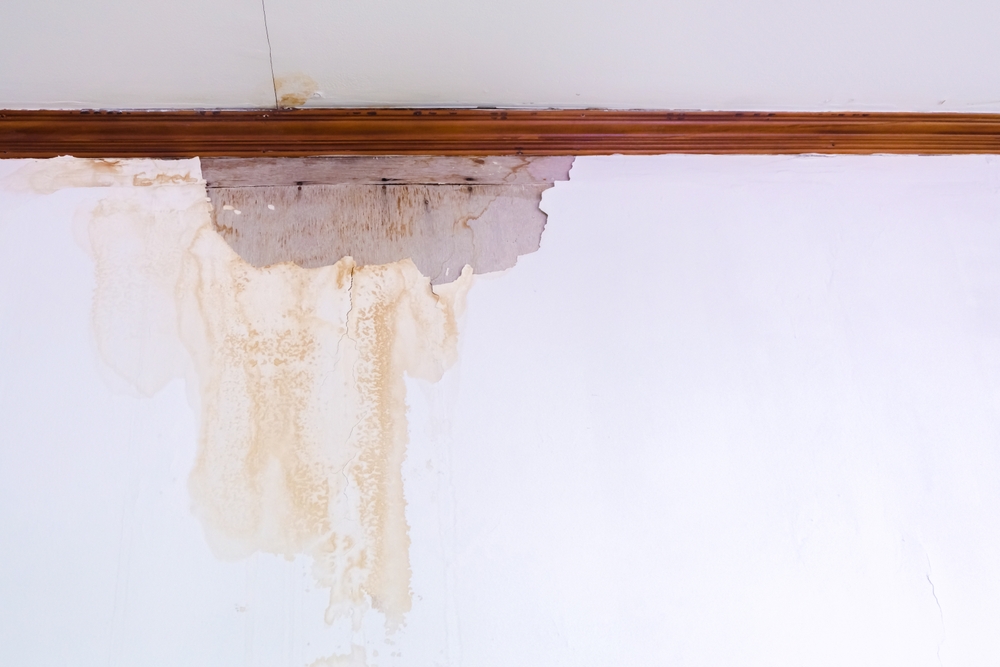
2. Water stains after winter
3. Increased allergy or respiratory symptoms
4. Basement dampness or humidity spikes
5. Past winter issues in the home
Even if everything “looks fine” now, mold may already be developing out of sight.
“Homeowners often wait until they see mold. By then, it’s already spread. The smarter move is to act when you smell it or after any moisture event.” — Indoor Air Quality Specialist at UMC
If you notice early warning signs, do not wait for peak spring timing. Mold grows fast, and delays directly increase mold remediation cost and health risk.
Mold remediation is not just about removal. It is about timing.
Spring inspections reduce both financial impact and long-term damage.
Why spring mold inspections save money
Early detection reduces remediation scope.
- Small issues stay localized
- Less interior demolition required
- Faster cleanup process
A delay of even a few weeks can double the cost in some cases.
Real budgeting example
A minor attic mold issue in early April may cost around $2,000.
If ignored until June:
- Mold spreads across insulation and framing
- Remediation may exceed $8,000 to $12,000
“The biggest cost driver is delay. The earlier we catch mold, the less invasive and less expensive the remediation becomes.”
Frequently Asked Questions
Is spring really better than summer for mold inspection?
Yes. Spring reveals the root cause of mold problems.
In summer, you may only see surface symptoms without understanding the cause.
How long does it take for mold to grow after snow melt?
Mold can begin growing within 24 to 48 hours after moisture exposure.
This is why early spring inspection is critical.
Can I do a mold inspection myself?
You can do a basic visual check, but it has limits.
However, professional inspections include:
- Moisture mapping
- Thermal imaging
- Air quality testing
These tools detect hidden mold that is not visible.
Does every musty smell mean mold?
In most cases, yes.
A persistent earthy odors at home usually indicates microbial activity.
- Mold releases gases as it grows with a musty smell
- Odor often appears before visible mold
Ignoring smell can lead to larger contamination.
How often should Toronto homes get mold inspections?
Once a year for older homes or high-risk properties
Homes with basements, attics, or past moisture issues should prioritize annual checks.
Is mold inspection covered by home insurance in Toronto?
It depends on the cause.
Typically covered:
- Sudden water damage (burst pipe, ice dam leak)
Usually not covered:
- Long-term neglect or poor maintenance
Always check your policy details and document any damage early. Read about Does Home Insurance Cover Mold After Winter Water Damage in Ontario? & Home Insurance Coverage For Mold Damage Claims
Peer-reviewed research and technical studies for Spring Mold Growth
| # | Citation | Key Focus |
|---|---|---|
| 1 | Saghir, S. A., et al. (2024). Molds and mycotoxins indoors I: Current issues and way forward. | Comprehensive review in Archives of Clinical Toxicology linking rising seasonal temperatures and humidity to increased mold growth, sporulation, and the prevalence of fungal diseases. |
| 2 | Sedoni, R., et al. (2025). A hybrid model for the assessment of indoor environmental quality: An insight into mold growth. | Peer-reviewed study in Energy Reports analyzing how the transition from winter to spring creates specific temperature and humidity thresholds that trigger rapid mold colonization in residential buildings. |
| 3 | Mengyao, C., et al. (2025). Seasonal variation and influencing factors of airborne microbial concentrations. | Research in Scientific Reports documenting the seasonal fluctuations of indoor bioaerosols and how spring environmental conditions facilitate the dispersal of mold spores. |
| 4 | Hardeman, A., et al. (2025). Mold remediation in homes after flooding: A clinical and environmental review. | Study in The Journal of Allergy and Clinical Immunology emphasizing the importance of early remediation following seasonal water intrusion (like spring snow melt) to prevent chronic health issues. |
| 5 | Ultimate Mold Crew (2026). Mold After Snow Melt During Spring: Causes & Prevention. | Technical report detailing the “spring thaw” phenomenon where melting snow and rising groundwater levels lead to foundation seepage and hidden mold growth in basements and crawlspaces. |
| 6 | HomeQuest Inspection (2025). Why Spring Is the Best Time For A Home Maintenance Inspection. | Professional guide outlining the benefits of spring inspections for identifying post-winter structural damage, roof leaks, and gutter failures before they lead to extensive mold problems. |
| 7 | ServiceMaster (2025). Why Does Mold Grow Faster in Warmer Temperatures? | Technical analysis of the transition from cold, dry winters to moist, warming springs and how this “perfect storm” of conditions catches homeowners off guard with rapid mold expansion. |
| 8 | Nečasová, B., et al. (2020). Research Summary on Characterizing Impact of Environment on Building Durability. | Research in Materials summarizing how seasonal environmental stress, particularly during the spring thaw, impacts the integrity of building sealants and leads to moisture-related mold issues. |
Related posts:
- Spring Mold Problems in Toronto: Causes, Signs & Remediation
- Mold After Snow Melt During Spring: Causes & Prevention
- Best Winter Mold Inspection & Removal Service in Toronto
- Mold Inspection & Testing Guide For Home Owners [2026]
- DIY Mold Testing Kits v/s Professional Mold Inspection – Comparison
- Mold Inspection Facts You Might Not Know But Should Know
