

Updated on 21-Feb-2026
Activated charcoal does not kill mold or remove mold growing on walls, wood, or drywall. It can adsorb airborne particles and odors, which may help reduce musty smells, but it does not eliminate mold colonies or fix moisture problems. Effective mold remediation requires moisture correction, physical removal of contaminated materials, HEPA filtration, and containment procedures defined under ANSI/IICRC S520 standards.
Table of Contents
Looking for a Natural Way to Get Rid of Mold?
Activated charcoal is often promoted as a natural mold solution.
Online advice claims it can:
• Kill mold
• Trap mold spores
• Improve indoor air quality
• Replace chemical remediation
But these claims blur the line between air purification and actual mold removal.
Activated charcoal can help reduce certain airborne particles and odors. It cannot remove mold growing inside drywall, wood, insulation, or structural cavities.
Understanding that distinction is critical.
What Is Activated Charcoal and How Does It Work?
Activated charcoal, also called activated carbon, is a highly porous form of carbon. It is typically produced from coconut shells, wood, or peat and processed at high temperatures to create millions of microscopic pores.
Those pores allow it to adsorb substances.
Adsorption means particles bind to the surface of the material. It does not mean the charcoal destroys or neutralizes what it captures.
Activated charcoal is widely used in:
• Water filtration systems
• Air purifiers
• Industrial gas filtration
• Medical toxin adsorption
It is effective at trapping certain volatile organic compounds and odors. Some air filtration systems combine HEPA filters with carbon filters for this reason.
However, trapping airborne particles is not the same as removing a mold infestation.
Can Activated Charcoal Kill Mold on Surfaces?
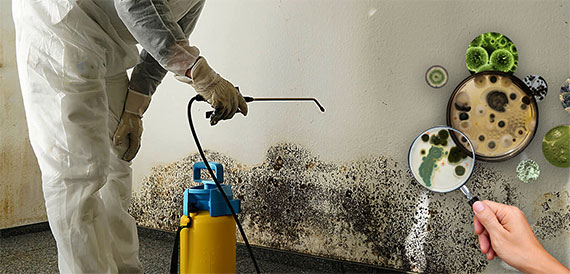
The short answer: No — activated charcoal does not kill mold growing on surfaces.
Mold on walls, ceilings, wood, or drywall is a living organism rooted in porous materials. To remove it effectively, you must eliminate both the visible colony and its microscopic roots, often embedded deep within the material.
Activated charcoal:
-
Does not penetrate surface materials to reach mold roots
-
Lacks antifungal or biocidal properties
-
Cannot physically remove mold stains, toxins, or damage
In contrast, professional mold remediation uses:
-
EPA-registered fungicides
-
HEPA vacuums and negative air pressure machines
-
Mold-stain removers and physical removal of damaged materials
Using charcoal as a substitute for actual remediation gives a false sense of security — especially in cases of toxic black mold (Stachybotrys chartarum) or hidden mold behind walls.
💡 Key Insight: Charcoal may reduce airborne spores, but it does not sanitize or remediate contaminated surfaces.
Why Mold Grows in the First Place
Mold is part of the fungi kingdom. It reproduces through spores that exist naturally in indoor and outdoor air.
Growth begins when three conditions exist:
• Moisture
• Organic material
• Time
Indoor humidity above 60 percent significantly increases mold risk. According to the World Health Organization’s indoor air guidelines on dampness and mold, persistent moisture is the primary driver of indoor fungal growth.
Water intrusion leads to elevated material moisture content. Elevated moisture allows fungal colonization to establish within 24 to 48 hours.
Activated charcoal does not reduce material moisture. It does not dry structural components. It does not repair leaks.
Without moisture control, mold returns.
Activated Charcoal vs. Real Mold Remediation – What’s More Effective?
Let’s compare what each method actually achieves:
| Feature/Function | Activated Charcoal | Professional Mold Remediation |
|---|---|---|
| Kills mold on walls/surfaces | ❌ No | ✅ Yes (biocides, removal) |
| Removes airborne mold spores | ⚠️ Limited (passive) | ✅ Yes (HEPA filtration) |
| Addresses source of moisture | ❌ No | ✅ Yes (moisture mapping + drying) |
| Prevents regrowth | ❌ No | ✅ Yes (sealants + root removal) |
| Safe for large or toxic outbreaks | ❌ No | ✅ Yes (certified procedures) |
While activated charcoal can be a component of an indoor air quality strategy, it cannot replace the process of:
-
Inspection
-
Moisture source identification
-
Physical remediation
-
Post-remediation air testing
Using it as a standalone solution is reactive, not preventive — and often fails to meet building safety standards.
Can Activated Charcoal Help With Mold Odor?
Yes, in limited cases.
Musty odors are often caused by microbial volatile organic compounds released during mold growth.
Carbon filters can adsorb some odor-causing compounds. In small enclosed areas such as closets or cabinets, charcoal pouches may reduce smell temporarily.
However:
• Odor reduction does not mean mold is gone
• Smell may return if moisture persists
• Carbon must be replaced regularly
Think of charcoal as an air freshening supplement, not a remediation strategy.
What About Black Mold?
Many homeowners worry specifically about black mold, commonly referring to Stachybotrys chartarum.
Activated charcoal does not kill Stachybotrys. It does not neutralize mycotoxins. It does not remove contaminated drywall.
Species identification requires laboratory testing. Remediation protocols remain the same regardless of species.
If you want clarity on species differences, read here:
Is Activated Charcoal Useful for Mold Prevention or Air Purification & Dampness?
While activated charcoal cannot kill mold, it does have a limited, supportive role in improving air quality — particularly in mold-prone environments or after professional remediation.
When Activated Charcoal Can Help:
-
As part of a HEPA air purifier with carbon filtration, it can adsorb volatile organic compounds (VOCs) and some airborne mold spores.
-
In small, enclosed spaces (closets, under sinks), activated charcoal pouches may help reduce musty odors and excess humidity.
-
During post-remediation maintenance, it may support indoor air freshness — but not mold control on its own.
Important Limitations:
-
It does not replace a dehumidifier or active air filtration system.
-
Charcoal bags and loose carbon require regular replacement to stay effective.
-
It cannot detect or remove hidden mold growth.
💡 Think of activated charcoal as a passive supplement — not a mold solution.
When Activated Charcoal Might Be Useful
Activated charcoal can play a minor supportive role in:
• Post-remediation odor control
• Supplemental filtration in air purifiers
• Small enclosed storage areas
• Temporary air freshness support
It should never be relied on as:
• A mold killer
• A substitute for containment
• A replacement for dehumidification
• A structural drying method
Humidity control requires dehumidifiers, ventilation correction, and moisture mapping.
What Actually Works for Mold Removal? (Pro Recommendations)
If you suspect mold contamination — especially black mold, hidden mold, or recurring growth — here’s what actually works:
🔍 1. Professional Mold Inspection
-
Moisture meter analysis
-
Infrared scanning
-
Surface and air sampling to detect hidden mold and spore counts
🛠 2. Source Removal & Containment
-
Identifying and repairing the moisture source (leak, humidity, etc.)
-
Setting up containment zones and negative air pressure to prevent spore spread
-
Removing contaminated drywall, insulation, wood, or carpet
🧪 3. EPA-Approved Antimicrobial Treatment
-
Fungicides or non-toxic botanical disinfectants
-
HEPA vacuuming of surfaces and structural cavities
-
Mold-stain removal and encapsulation (if needed)
🌬 4. Post-Remediation Verification
-
Air quality testing to ensure safe spore levels
-
Moisture reading validation
-
Clearance certification for real estate or tenancy
📞 Ultimate Mold Crew provides IICRC-certified mold remediation in Toronto & the GTA — with full containment, documentation, and post-remediation testing.
Why DIY Air Fixes Fail Long-Term
Airborne spores are only part of the problem.
Mold embedded in building materials continues producing spores as long as moisture exists.
Masking symptoms with odor absorbers does not eliminate colonization.
Surface cleaning without containment can increase airborne spread.
Long-term control requires eliminating the source.
FAQs About Activated Charcoal and Mold
Q1: Does activated charcoal kill black mold?
No. Activated charcoal cannot kill black mold or any other mold species. It may help adsorb airborne spores, but it does not eliminate mold growing on surfaces or inside building materials.
Q2: Can I use charcoal bags to get rid of mold smell?
Charcoal bags may help reduce musty odors in small, closed spaces. However, they do not treat the underlying mold problem and are not effective in humid, open areas.
Q3: Is activated charcoal better than baking soda for mold?
Both can help absorb odors, but neither kills mold. For surface mold or widespread contamination, professional remediation is the only effective solution.
Q4: Is activated charcoal safe to use around pets and kids?
Yes — most activated charcoal products are non-toxic and safe when used properly. However, they should not be used as a replacement for actual mold removal if contamination is present.
Q5: What’s the best way to remove mold from my home?
The most effective approach involves:
-
Identifying the source of moisture
-
Physically removing contaminated material
-
Using EPA-registered mold treatments
-
Testing the air to confirm clearance
Professional help is strongly recommended for large outbreaks or suspected black mold.
Final Verdict: Helpful for Air, Useless for Mold Colonies
Activated charcoal has value in air filtration and odor control. It does not kill mold. It does not remove mold colonies. It does not fix moisture problems.
If you are seeing visible mold, experiencing recurring musty smells, or dealing with water damage, charcoal will not solve the underlying issue.
Structured remediation does.
If you suspect contamination in your home, schedule a professional evaluation before relying on DIY air solutions.
Stop masking the air. Fix the source.
📞 Call Ultimate Mold Crew for Trusted, Professional Mold Remediation
We specialize in certified, full-service mold removal for homes, condos, rentals, and commercial properties in Toronto and the GTA.
✅ Fast inspections
✅ Safe containment & removal
✅ Post-remediation clearance testing
Stop the spread. Breathe clean. Call us today.
Resources Cited
1. EPA Mold Guide (EPA 402-K-02-003) – dry water-damaged areas within 24–48 hours to prevent mold growth and preventing moisture is the key to mold control — guidance often not cited online.
2. EPA Mold Remediation in Schools PDF
This document provides detailed step-by-step remediation and safety guidance with professional context
3. WHO Indoor Air Quality Guidelines
4. OSHA Workplace Mold Prevention PDF
6. Activated Carbon Filter PDF
7. Indoor Air Quality Manual PDF
8. Indoor Bioaerosol Reference
Useful Data Points
Here are rare, citable insights (based on the sources):
-
“Mold spores are invisible and travel through air; successful control requires moisture correction and material removal.” — from EPA guide PDF.
-
“Moisture problems should be corrected within 24–48 hours to prevent mold growth.” — from EPA mold guide.
-
“Indoor dampness is associated with a ~50% increase in asthma symptoms in occupants.” — from WHO indoor air quality guidelines.
-
“Minimum mold cleanup PPE includes at least an N-95 respirator, gloves, and eye protection.” — from EPA commercial remediation document.
-
“Activated carbon filters remove gases and odors but do not capture fine particles such as mold spores.” — from activated carbon air purifier PDF.
