

Updated on 10-Dec-2025
That black slime coating your bathroom sink drain isn’t just unsightly—it’s actively releasing spores into the air you breathe every time you turn on the faucet.
Most homeowners dismiss it as a cosmetic problem until respiratory symptoms, unexplained rashes, or corroded pipes force them to confront the real danger.
This article exposes the hidden health risks of drain mold, reveals how to identify and eliminate it, and explains why prevention costs far less than the medical bills and plumbing repairs that follow neglect.
Table of Contents
Hidden Health Risks of Sink Drain Mold
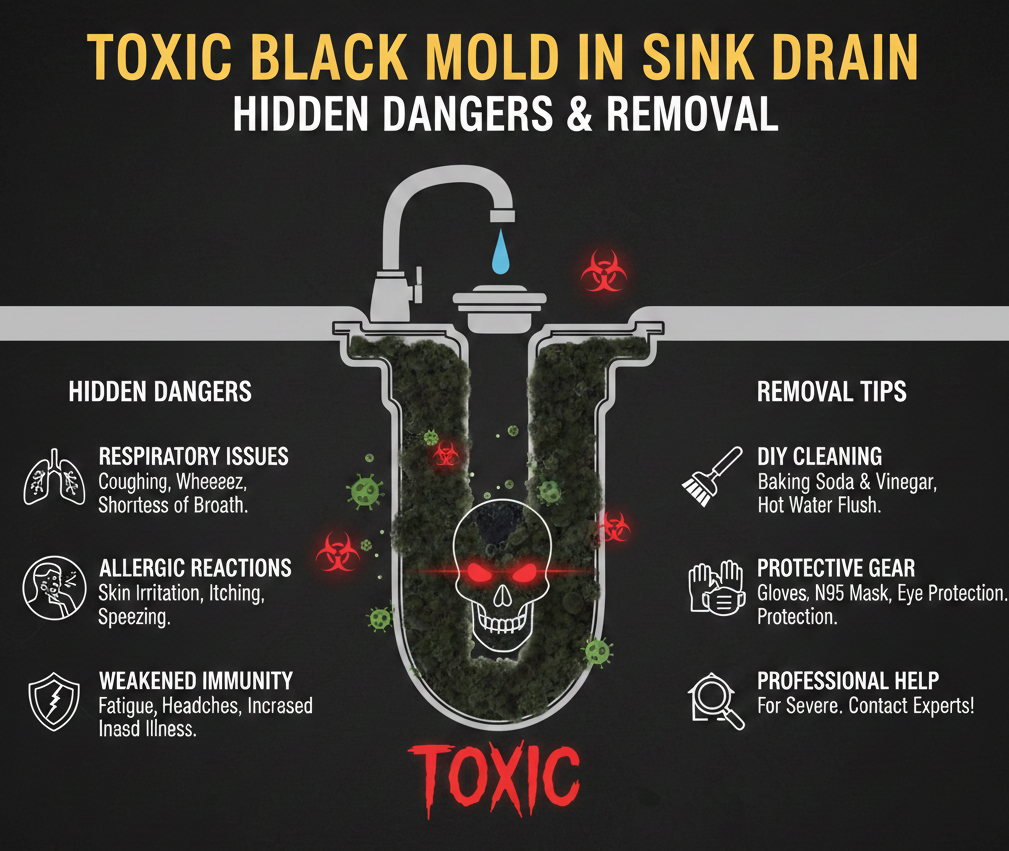
Yes, mold in sink drains is dangerous—and the threat goes far beyond the black sludge you can see. Every time water flows through a contaminated drain, microscopic spores launch into the air and spread throughout your home.
The health consequences range from mild irritation to serious respiratory problems, depending on how long you’re exposed and your individual sensitivity.
Respiratory Issues and Asthma Flares
Running water in a mold-contaminated sink creates an invisible cloud of spores that you inhale without realizing it. For people with asthma, this exposure triggers immediate bronchial constriction, wheezing, and difficulty breathing that can last for hours. Even if you don’t have pre-existing conditions, chronic exposure leads to persistent coughing, throat irritation, and sinus congestion.
The problem gets worse over time. Repeated exposure sensitizes your respiratory system, so reactions become more severe with each encounter rather than building any kind of tolerance.
Skin and Eye Irritation From Mold Spores
Washing your hands or face in mold-contaminated water introduces spores directly to your skin and mucous membranes. You might notice unexplained rashes around your hands, forearms, or face—anywhere that regularly contacts sink water. Eye irritation shows up as redness, itching, and watering that looks like allergic conjunctivitis but doesn’t respond to allergy medications.
Mold produces mycotoxins—toxic compounds that trigger inflammatory responses in human tissue. The warm, moist environment of bathroom and kitchen sinks creates perfect conditions for Stachybotrys chartarum (black mold) and Aspergillus niger, both known for producing particularly irritating mycotoxins.
Plumbing Damage and Biofilm Corrosion
Mold creates biofilms—slimy bacterial and fungal layers that stick to pipe interiors and actively corrode metal and PVC materials. The biofilm traps moisture against pipe surfaces, accelerating rust in metal components and degrading the structural integrity of plastic pipes. Over months and years, this biological corrosion leads to pinhole leaks, joint failures, and eventually complete pipe replacement.
How to Spot Black Sludge and Black Gunk in Bathroom Sink Drains
Early detection prevents both health problems and expensive repairs, yet most homeowners miss the warning signs until mold growth becomes severe.
Visual Red Flags in the Drain and P-Trap
Black mold appears as dark streaks or patches on visible drain surfaces, often with a thick, slimy texture that feels gelatinous. In bathroom sinks, look for black or dark green discoloration around the drain opening, on the stopper mechanism, and along the overflow opening near the faucet.
The P-trap—the curved pipe section under your sink—accumulates the heaviest mold growth because standing water remains there constantly. Removing the P-trap reveals thick black sludge coating the interior surfaces.
- Drain opening: Black or dark green rings with slimy texture
- Overflow holes: Dark streaks radiating from openings
- Stopper mechanism: Black coating on metal or rubber parts
- P-trap interior: Thick black or brown slime when disassembled
Musty Odors and Metallic Smells
Mold produces volatile organic compounds that create a musty, earthy smell similar to wet cardboard or rotting leaves. This differs from typical drain odors caused by decomposing food or soap buildup, which smell sour or sulfuric. A persistent musty smell that intensifies when you run water or open the cabinet under your sink indicates mold growth.
Some mold species produce a metallic or chemical smell that resembles rust or ammonia—a sign of advanced colonization and potentially aggressive mold varieties.
Quick At-Home Swab Tests
A cotton swab inspection reveals hidden mold in areas you can’t easily see. Dampen a white cotton swab with water, then wipe it along the inside edge of your drain opening, around the stopper, and on any exposed pipe surfaces under the sink. Black, green, or brown discoloration on the swab indicates mold presence—even if the surface appeared clean.
For pipes under the sink, check connection joints and the exterior surfaces of the P-trap where condensation accumulates.
Why Drain Fungus Thrives in Kitchen and Bathroom
The conditions that promote mold growth in kitchen drains come down to three factors: moisture, nutrients, and darkness.
Standing Water and Soap Scum Nutrients
The P-trap design intentionally holds water to prevent sewer gases from entering your home, but this creates a permanent moisture source that mold requires for survival. Soap scum—a combination of fatty acids from soap, body oils, and mineral deposits from hard water—provides abundant nutrients that feed mold colonies.
Bathroom sinks accumulate additional nutrients from toothpaste residue, hair products, and skin cells that wash down during daily grooming.
Warm Humidity in Sink Cabinets
Cabinet interiors under sinks trap warm, humid air—especially after hot water use. Mold thrives in environments with humidity above 60%, and the lack of air circulation in closed cabinets prevents moisture from dissipating. Bathrooms present an even greater challenge because shower steam increases overall room humidity, which then concentrates in the enclosed space beneath the sink.
Food Waste and Grease in Garbage Disposals
Kitchen sink drains face unique challenges from food particles and cooking grease that accumulate in garbage disposals and drain lines. Organic matter provides rich nutrients for mold growth, while grease creates a sticky matrix that traps additional debris and moisture. Even running your disposal regularly leaves food particles lodged in the splash guard, the grinding chamber seams, and the discharge pipe.
Who Is Most at Risk From Black Mold in Drain Pipes
Not everyone experiences the same severity of symptoms from mold exposure—individual vulnerability varies significantly.
Babies and Immunocompromised Adults
Infants and young children face heightened risk because their immune systems are still developing and they breathe more rapidly than adults, inhaling more spores per hour. Immunocompromised individuals—including cancer patients undergoing chemotherapy, organ transplant recipients taking immunosuppressants, and people with HIV/AIDS—lack the immune defenses to fight off mold-related infections.
For vulnerable populations, mold exposure can lead to systemic fungal infections that require hospitalization and aggressive antifungal treatment.
Allergy and Asthma Sufferers
Existing respiratory allergies or asthma make mold exposure act as a powerful trigger that exacerbates conditions. Usual allergy medications become less effective, or rescue inhalers get used more frequently without understanding why. The chronic inflammation caused by daily mold exposure can permanently worsen asthma severity, transforming mild, exercise-induced asthma into a condition requiring daily controller medications.
Elderly Residents and Pets
Older adults often have compromised immune function and pre-existing respiratory conditions that increase susceptibility to mold-related illness. They may attribute symptoms like fatigue, headaches, and breathing difficulty to aging rather than recognizing environmental causes.
Pets—particularly cats and dogs—also inhale mold spores and can develop respiratory infections, lethargy, and skin problems from contaminated drain environments.
Step-By-Step Removal of Black Mold in Sink Drain Pipes
Effective mold removal requires the right approach—aggressive enough to eliminate existing growth, but safe enough to avoid creating additional health hazards.
1. Assemble Protective Gear and Tools
Before starting any mold removal, protect yourself with N95 or N100 respirator masks (not simple dust masks), rubber gloves that extend past your wrists, and safety glasses. You’ll also need a stiff-bristled bottle brush or pipe brush, a bucket, clean rags, and your chosen cleaning solution.
Open windows and run exhaust fans to ventilate the area during the entire cleaning process.
2. Flush With Boiling Water and Baking Soda
Pour a full kettle of boiling water down the drain to kill surface mold and loosen biofilm buildup—the heat disrupts mold cell walls and softens the slimy matrix that protects colonies. Immediately follow with one cup of baking soda, allowing it to sit for 5-10 minutes.
After the waiting period, flush again with another kettle of boiling water to wash away loosened debris and dead mold material.
3. Scrub With Enzymatic Cleaner or Hydrogen Peroxide
Pour 3% hydrogen peroxide (the standard concentration sold in drugstores) directly into the drain, then use your bottle brush to scrub all visible surfaces. Hydrogen peroxide produces a foaming action that penetrates biofilms and kills mold at the cellular level without producing toxic fumes. For deeper pipe sections, pour one cup of hydrogen peroxide and let it sit for 30 minutes before flushing.
4. Rinse, Dry, and Ventilate the Drain
After treatment, run hot water for several minutes to flush all cleaning agents and dead mold material through the system. Use clean rags to dry all visible surfaces around the drain opening and under the sink, as any remaining moisture will promote rapid mold regrowth.
Leave cabinet doors open for at least 24 hours to allow thorough air circulation and complete drying.
Best and Worst Mold Killers for Mold in the Sink
Not all cleaning products deliver equal results—some create more problems than they solve.
| Cleaning Agent | Effectiveness | Safety | Best Use Case |
|---|---|---|---|
| Hydrogen Peroxide (3%) | High | Excellent | First-line treatment for all drain mold |
| Enzymatic Cleaners | Moderate-High | Excellent | Ongoing prevention and maintenance |
| Bleach Solution | Moderate | Poor | Non-porous surfaces only, never for drains |
| White Vinegar | Low | Excellent | Light cleaning, not effective against established mold |
Bleach Versus Hydrogen Peroxide
Despite bleach’s reputation as a powerful disinfectant, it’s actually a poor choice for drain mold removal. Bleach only kills surface mold on non-porous materials—it can’t penetrate the biofilm matrix or porous surfaces where mold roots extend deep into the material. Bleach also produces toxic chlorine gas when it contacts organic matter in drains, creating a serious inhalation hazard.
Hydrogen peroxide penetrates biofilms and porous materials while breaking down into harmless water and oxygen.
Vinegar Myths and Realities
White vinegar appears frequently in natural cleaning recommendations, but research shows it kills only about 80% of mold species—and it’s largely ineffective against the black mold varieties commonly found in drains. While vinegar works well for preventing mold growth on clean surfaces, it lacks the potency to eliminate established colonies.
Eco-Friendly Enzyme Formulas
Enzymatic cleaners represent a genuinely effective eco-friendly alternative that works through biological action rather than harsh chemicals. The products contain beneficial bacteria strains that produce enzymes to digest organic matter—including the nutrients that feed mold colonies. While enzymatic cleaners work more slowly than hydrogen peroxide (typically requiring overnight contact time), they provide ongoing protection by establishing a beneficial bacterial population that outcompetes mold for resources.
Long-Term Prevention of Bathroom Sink Mold and Black Slime
Successful mold prevention requires consistent maintenance habits rather than one-time interventions.
Weekly Hot Water Flushes
Running hot water through your drains for 2-3 minutes once weekly disrupts mold growth cycles before colonies become established. The heat alone won’t kill all mold spores, but it prevents the biofilm accumulation that protects mature colonies. For maximum effectiveness, run the hottest water your system produces (typically 120-140°F) and ensure it flows through all drain openings including overflow holes.
Install an Anti-Bacterial Drain Screen
Modern drain screens incorporate copper or silver—metals with natural antimicrobial properties that inhibit bacterial and fungal growth. The screens catch hair and debris while continuously releasing metal ions that prevent biofilm formation on the screen surface and in the immediate drain area.
Monitor Cabinet Humidity Levels
Keeping cabinet humidity below 50% prevents mold growth on pipe exteriors and cabinet surfaces, even if some moisture remains inside the drains. Inexpensive hygrometers (humidity meters) provide accurate readings of cabinet conditions. If humidity consistently exceeds 50%, install small rechargeable dehumidifier units designed for enclosed spaces, or drill ventilation holes in the back panel of your cabinet.
When DIY Fails: Call a Professional for Mold on Pipes Under the Sink
Some mold situations exceed the scope of homeowner remediation and require professional expertise.
Signs You Need a Mold Remediator
If mold returns within days or weeks after thorough cleaning, you’re dealing with a moisture problem that cleaning alone can’t solve—likely a hidden leak, chronic condensation, or inadequate ventilation. Visible gray mold growth on walls, floors, or cabinet surfaces beyond the immediate drain area indicates widespread contamination that requires professional assessment.
Professional mold removal specialists in Toronto have specialized equipment including moisture meters, thermal imaging cameras, and air quality testing devices that identify hidden problems.
Expected Costs and Warranties
Professional drain cleaning with mold remediation typically costs $200-500 for a single sink, while whole-house plumbing mold treatment ranges from $500-2,000. Full mold remediation costs $1,500-6,000 for bathroom and kitchen areas.
Reputable companies provide warranties guaranteeing their work for 1-5 years—if mold returns during the warranty period, they’ll retreat the area at no additional cost.
Next-Gen Tech to Stop Mold Before It Starts
Smart home technology now offers proactive mold prevention through early detection and automated interventions.
Smart Leak Detectors and Moisture Sensors
Modern moisture sensors attach to pipes under sinks and send smartphone alerts when they detect water accumulation or humidity spikes that precede mold growth. The devices integrate with home automation systems to trigger responses like activating exhaust fans or sending maintenance reminders.
The technology identifies problems before visible mold appears, when intervention is simplest and least costly.
IoT Drain Cameras for Early Warning
Internet-connected drain cameras provide visual inspection of pipe interiors without requiring disassembly—you simply insert the flexible camera probe into your drain and view real-time footage on your smartphone. The devices reveal biofilm buildup, early-stage mold growth, and structural pipe problems before they cause visible symptoms.
Mold Cleanup Costs vs. Health Costs
The financial argument for prevention becomes clear when you compare intervention costs against the consequences of neglect.
Medical Bills From Mold Exposure
Treating mold-related respiratory conditions includes specialist visits, prescription medications, emergency room trips for asthma attacks, and lost productivity from illness. Severe cases requiring hospitalization for fungal infections or acute respiratory distress can generate significant bills.
Price of Replacing Damaged Plumbing
Biofilm corrosion and mold-induced pipe degradation eventually necessitate plumbing replacement. If mold damage extends into wall cavities or subfloors, remediation and reconstruction costs escalate quickly.
Preventive maintenance eliminates catastrophic expenses entirely.
Take Control of Your Home’s Health
Mold in sink drains represents a genuine health threat that compounds over time when left unaddressed. Yet homeowners who implement systematic prevention and early mold remediation protect both their health and their property value.
FAQs About Mold in Sink Drains
Can mold spores travel from the drain to other rooms?
Yes, mold spores easily become airborne through normal sink use and spread throughout your home via air circulation systems. Every time you run water, the turbulence creates aerosols that carry spores into the surrounding air, where HVAC systems distribute them to other rooms.
How long do mold spores stay alive inside pipes?
Mold spores can remain viable in dark, moist drain pipes for months or even years. The spores enter a dormant state during dry periods, then reactivate immediately when moisture returns.
Does running the dishwasher spread drain fungus?
Running dishwashers can help flush drain systems by sending large volumes of hot water through shared pipes, but only if the dishwasher connects to clean drain lines. If your kitchen sink drain harbors mold, the dishwasher’s discharge may spread contamination to the dishwasher’s interior components.
Will a garbage disposal kill black slime automatically?
Garbage disposals do not eliminate mold and may actually spread spores throughout the drain system during operation. The grinding action and water flow distribute mold fragments and spores into areas they wouldn’t otherwise reach.
