
Updated on 14-Jan-2026
Quick Answer
Mold growth increases in Toronto homes during winter because indoor moisture becomes trapped. Sealed windows, cold exterior walls, and higher indoor humidity create condensation inside wall cavities, basements, and ceilings. Mold does not need warmth. It needs moisture, organic material, and time. Winter provides all three.
Table of Contents
Winter Mold Is a Toronto-Specific Problem
Toronto winters force homes into a sealed environment.
Windows stay shut.
Ventilation drops.
Heating systems run constantly. Moisture produced indoors has nowhere to escape.
This creates ideal conditions for mold growth, especially in older Toronto housing stock with limited vapor barriers and aging insulation.
Mold growth in winter is often hidden.
It develops behind walls, under flooring, inside basements, and around window assemblies before any visible signs appear.
The Core Cause: Condensation, Not Flooding
Most winter mold cases are not caused by major water leaks. They are caused by condensation buildup over time.
Condensation forms when warm, humid indoor air meets cold surfaces such as:
-
Exterior-facing walls
-
Basement foundation walls
-
Window frames and sills
-
Attic ceilings
-
Cold plumbing lines
When moisture repeatedly condenses in these areas, materials remain damp long enough for mold colonies to establish.
Why Condensation Increases During Toronto Winters
1. Sealed Windows Trap Moisture
In winter, Toronto homeowners keep windows closed for weeks or months.
This traps moisture generated from:
-
Cooking
-
Showers
-
Laundry
-
Humidifiers
-
Breathing and occupancy
Without regular air exchange, indoor humidity rises even when the air feels dry.
2. Cold Outdoor Temperatures Create Thermal Bridges
Toronto regularly experiences sub-zero temperatures.
Exterior walls become cold surfaces.
When indoor air touches these surfaces, moisture condenses behind drywall and insulation.
This process is invisible.
Homeowners rarely notice it until mold odor or staining appears.
Also read more about – Snow Mold: Causes, Identification, Treatment & Prevention
3. Basements Become Moisture Reservoirs
Basements in Toronto homes sit below grade. In winter, snow melt and freeze–thaw cycles increase ground moisture around foundations.
Even without active leaks, moisture migrates through concrete via capillary action. Combined with indoor humidity, this creates persistent dampness.
Indoor Humidity Is the Hidden Trigger
Many Toronto homes maintain indoor humidity above safe thresholds during winter without realizing it.
Mold growth commonly begins when relative humidity stays above 55 percent for extended periods.
Humidifiers, which are widely used during winter, often push levels too high. When humidity meets cold surfaces, condensation forms immediately.
This is why winter mold frequently appears around windows, baseboards, and exterior corners.
Why Mold Thrives Even in Cold Weather
Cold weather does not kill mold. It only slows growth temporarily.
Inside heated homes, temperatures remain ideal for mold year-round. Once moisture is present, mold growth continues regardless of season.
Winter mold cases are often worse because moisture exposure is continuous and unnoticed.
Common Winter Mold Warning Signs
Toronto homeowners should watch for:
-
Persistent musty odors
-
Condensation on windows or walls
-
Peeling paint or bubbling drywall
-
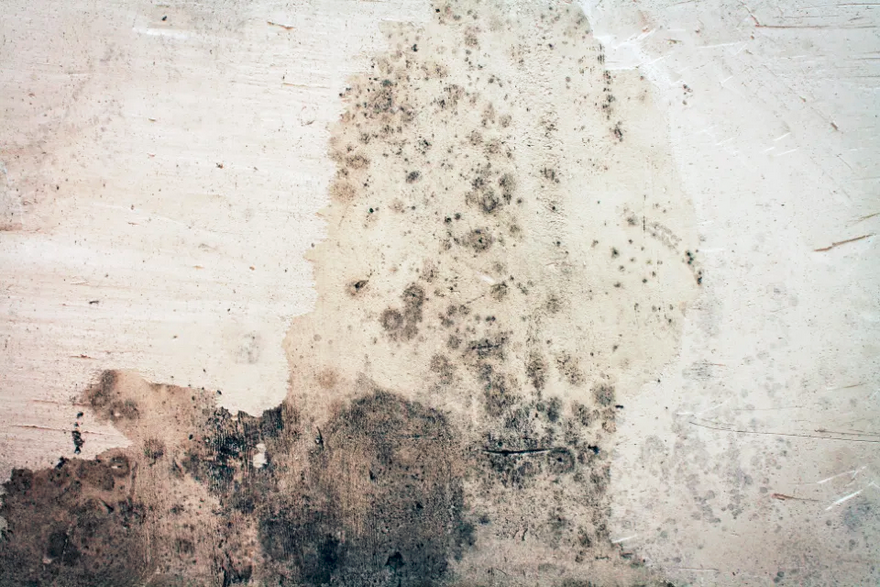
Dark spotting near baseboards or window frames
-
Increased allergy or respiratory symptoms indoors
These signs often indicate hidden mold growth already underway.
Why Winter Mold Is Often Discovered Too Late
Winter mold develops slowly and out of sight. By the time visual signs appear, contamination has often spread behind finished surfaces.
Delayed detection leads to:
-
Larger remediation areas
-
Higher mold removal costs
-
Increased insurance complications
Early assessment during winter can prevent extensive damage.
How Winter Mold Risk Can Be Assessed
Winter mold risk depends on humidity levels, building construction, and moisture pathways.
Homes with sealed envelopes, older insulation, finished basements, and limited ventilation face the highest risk.
This is why assessment tools and moisture evaluation are critical during January and February.
Internal reference opportunity:
Winter Mold Concerns in Your Toronto Home?
If condensation, musty odors, or moisture buildup are showing up this winter, it may indicate hidden mold growth behind walls or in your basement.
Professional mold removal in Toronto starts with identifying the source of moisture and stopping mold before it spreads further.
Learn how trusted mold remediation specialists in Toronto can assess winter mold risks, protect your home, and restore healthy indoor air quality.
Key Takeaway
Mold growth increases in Toronto homes during winter because moisture becomes trapped inside sealed environments. Condensation, not flooding, is the primary driver. Cold weather outside does not stop mold growth inside.
January is one of the most important months to identify and address hidden moisture issues before mold spreads further.
Related posts:
- What Are The Signs Of Crawl Space Mould In Toronto Homes?
- Indoor Air Quality Testing To Detect Mold Growth
- Mold Prevention – Tips, Risks, Hidden Growth Spots & Strategies
- 9 Signs For Mold Growth & Need For Mold Remediation
- Tips for Preventing Mold Growth in High-Moisture Like Bathrooms
- Mold Growth & Indoor Air Quality – Health Risks & Prevention [2026]
