
Updated on 09-Apr-2026
Mold growth in homes is not random—it is strongly influenced by regional climate conditions. In Toronto, the combination of high seasonal humidity, cold winters, and fluctuating temperatures creates an environment where mold can easily develop indoors.
- Toronto climate
- Humidity levels
- Temperature fluctuations
- Indoor condensation
- Building insulation & ventilation
These factors interact to create persistent moisture conditions, which are the primary driver of mold growth.
Table of Contents
Toronto’s Humid Continental Climate Explained
Toronto has a humid continental climate, characterized by:
- Warm, humid summers
- Cold winters with snow and ice
- Frequent seasonal transitions
- Significant temperature swings
Why This Matters for Mold
This climate creates repeated cycles of:
- Moisture accumulation
- Condensation
- Trapped indoor humidity
Each cycle increases the likelihood of mold spores settling and forming colonies.
High Summer Humidity Fuels Mold Growth
The Role of Humidity in Mold Formation
During Toronto summers, humidity levels often exceed 60–70%, which is ideal for mold growth.
High humidity:
- Adds moisture to indoor air
- Condenses on cooler surfaces
- Feeds mold on organic materials like drywall and wood
High-Risk Areas in Homes
- Basements
- Bathrooms
- Kitchens
- Poorly ventilated rooms
Even without leaks, prolonged humidity can trigger mold growth.
Cold Winters Create Condensation Problems
The Hidden Winter Mold Mechanism
In winter, warm indoor air meets cold surfaces such as:
- Windows
- Exterior walls
- Poorly insulated areas
This causes condensation, which acts as a hidden water source.
Common Signs
- Water droplets on windows
- Damp window frames
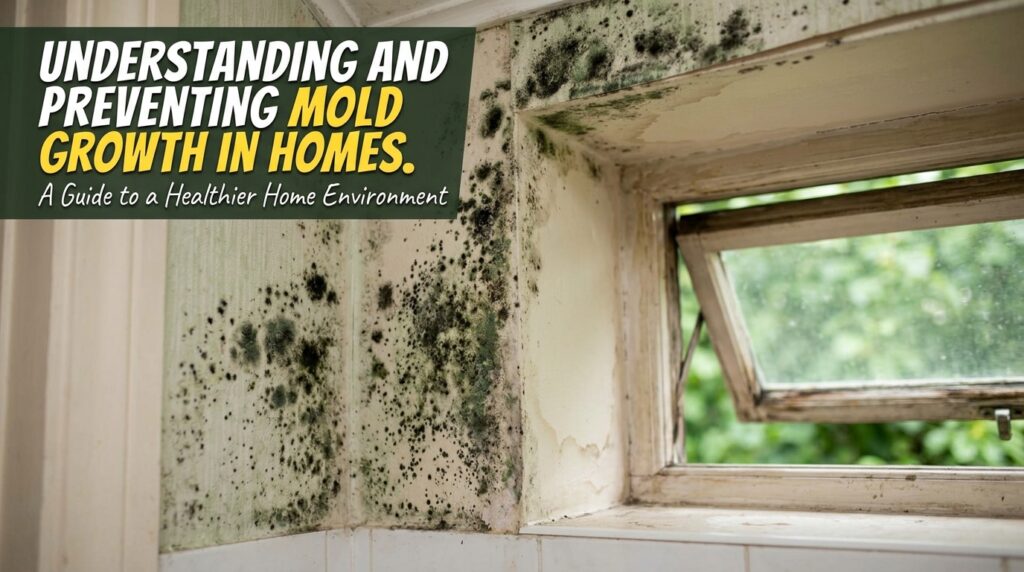
- Mold around sills and corners
Semantic Relationship
- Temperature difference → Condensation → Surface moisture → Mold growth
Poor Ventilation in Energy-Efficient Homes
Airtight Homes Trap Moisture
Modern Toronto homes are often built or upgraded for energy efficiency, meaning they are more airtight.
While this reduces heating costs, it also:
- Traps humidity indoors
- Limits air exchange
- Increases moisture buildup
Result
Without proper ventilation systems, moisture accumulates and creates ideal conditions for mold.
Basement Vulnerability in Toronto Homes
Why Basements Are High Risk
Toronto homes commonly have basements, which are particularly prone to mold due to:
- Below-grade location
- Higher natural humidity
- Risk of groundwater seepage
- Poor airflow
Additional Risk Factors
- Foundation cracks
- Improper drainage
- Sump pump failures
Basements often become the primary source of mold spores in a home.
Seasonal Transitions Increase Mold Risk
Spring and Fall: Peak Mold Periods
Toronto experiences strong seasonal transitions that contribute to mold growth:
Spring:
- Snowmelt increases moisture
- Ground saturation leads to seepage
- Rising humidity levels
Fall:
- Increased rainfall
- Decaying organic matter outdoors
- Elevated outdoor mold spores
These conditions can raise both indoor and outdoor spore counts.
HVAC Use and Indoor Air Circulation
Heating and Cooling Systems as Contributors
In Toronto:
- Air conditioning is heavily used in summer
- Heating systems run continuously in winter
If HVAC systems are not maintained:
- Moisture can accumulate in ducts
- Mold can grow in coils and filters
- Spores can spread throughout the home
How Common Is Mold in Toronto Homes?
While exact city-specific data varies, broader statistics apply:
- 47% of homes show signs of dampness or mold (NIOSH)
- 45+ million buildings in North America have unhealthy mold levels
- High-humidity climates like Toronto increase this likelihood
Urban density and older housing stock further contribute to mold prevalence.
How to Prevent Mold in Toronto’s Climate
Control Indoor Humidity
- Keep humidity between 30–50%
- Use dehumidifiers in summer
- Monitor with a hygrometer
Improve Ventilation
- Use bathroom and kitchen exhaust fans
- Open windows when weather allows
- Consider HRV/ERV systems for airflow
Manage Winter Condensation
- Upgrade insulation
- Use double- or triple-pane windows
- Wipe down condensation regularly
Protect Basements
- Waterproof foundations
- Use sump pumps where needed
- Install vapor barriers
- Run dehumidifiers consistently
Maintain HVAC Systems
- Replace filters regularly
- Clean ducts when necessary
- Inspect coils and drainage systems
How to Interpret Mold Levels in Toronto Homes
- Indoor < Outdoor: Likely normal, especially during spring/fall
- Indoor > Outdoor: Indicates indoor mold source
- Persistent spikes: Suggest hidden moisture or ventilation issues
Check out our too to assess mold risk infestation in your home
Toronto’s Climate Naturally Favors Mold—But It’s Controllable
Toronto’s mix of humidity, cold weather, and seasonal transitions creates ideal conditions for mold growth. However, mold is not inevitable.
By controlling:
- Moisture
- Airflow
- Temperature differences
you can significantly reduce the risk. But still in case it gets out of hand you need to get in touch with a mold removal services in Toronto and get the remediation done asap.
The key insight from the Owner – Ultimate Mold Crew:
- Mold problems in Toronto homes are less about isolated events and more about ongoing environmental conditions that need to be managed consistently.
Mold Risk by Property Type in Toronto (Homeowner Guide)
FAQ
Why is mold so common in Toronto homes?
Mold is common due to high humidity in summer, condensation in winter, and frequent seasonal changes that create persistent moisture.
Does cold weather reduce mold growth?
Cold weather slows mold growth, but indoor heating creates condensation, which can still support mold.
Are basements more likely to have mold in Toronto?
Yes. Basements are more humid, poorly ventilated, and prone to water intrusion, making them high-risk areas.
What time of year is mold worst in Toronto?
Spring and fall typically have the highest mold activity due to moisture and outdoor spore increases.
