
Updated on 05-Jan-2026
Ever spotted a faint ash-gray blotch crawling up a bathroom wall and wondered, “Is that mildew—or something worse?”
You might be face-to-face with gray mold—a stealthy cousin to the black, brown, green, white mold and even pink molds we’ve dissected in other mold colors guide. Although gray mold (often driven by Botrytis cinerea, Ulocladium spp., and Cladosporium spp.) rarely grabs sensational headlines, it can still erode drywall, trigger asthma flare-ups, and leave an unmistakable damp-earth aroma wafting through your living space.
Unlike vivid black or emerald colonies that shout for attention, gray mold blends into painted gypsum, concrete block, and wallpaper making early detection tricky. Yet the stakes are high: unchecked moisture behind baseboards, a leaky HVAC return, or a forgotten window well can fuel gray mold’s soft-rotting rampage, undermining indoor air quality and your home’s structural integrity.
The good news? Armed with today’s evidence-based tactics spanning IoT humidity monitors to HEPA-grade remediation homeowners can root out gray mold before it mushrooms into a costly nightmare. In this 2026 guide, we’ll break down its causes, health risks, DIY treatments, and professional-grade solutions so you can reclaim clean, mold-free walls with confidence.
Table of Contents
What Is Gray Mold?
Short answer: it’s the soft, smoky-coloured fungus that shows up when walls stay damp for too long.
Scientific “Umbrella” of Gray Mold
| Subject | Predicate | Object |
|---|---|---|
| Gray mold | is typically caused by | Botrytis cinerea → the classic “gray rot” fungus on damp indoor walls and garden plants hgic.clemson.edu |
| Gray mold | can also involve | Ulocladium spp. → dark-gray colonies on flooded drywall & shower grout mold-answers.com |
| Gray mold | frequently co-occurs with | Cladosporium spp. → top-three indoor airborne allergen mold thermofisher.com |
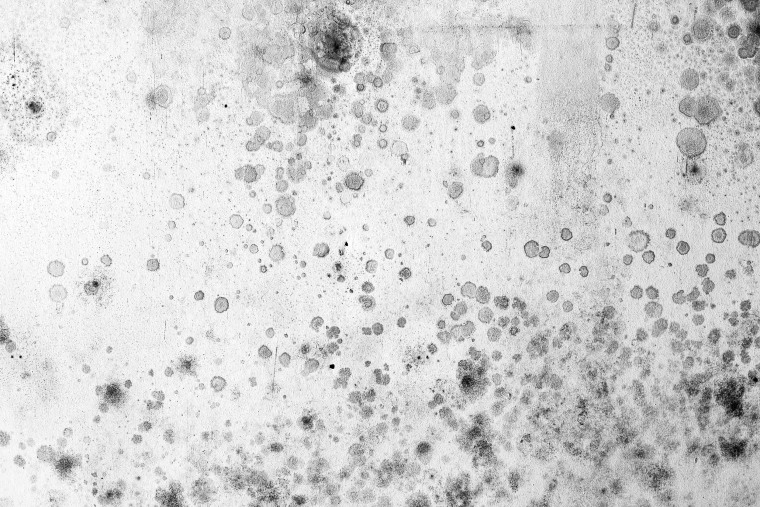
Gray Mold Properties & Appearance
-
Hue spectrum: light ash → steel-gray → charcoal brown.
-
Texture cues:
-
Botrytis = cottony/fuzzy spore mats that shed silvery dust.
-
Ulocladium = dense, suede-like patches that darken with age.
-
Cladosporium = velvety olive-gray colonies, sometimes ring-shaped.
-
-
Growth temp: thrives 4 °C – 30 °C, giving it an edge in cool basements.
-
Moisture need: ≥ 70 % RH or persistent surface condensation.
-
Food source: cellulose-rich drywall paper, wood sheathing, canvas, dust.
Quick Contrast With Other Color Molds
| Mold Color | Pigment / Species | Typical Wall Habitat | Relative Health Concern |
|---|---|---|---|
| Gray | Botrytis, Ulocladium, Cladosporium | Cool, damp drywall | Moderate allergies / asthma |
| Green | Penicillium, Aspergillus | HVAC, bathroom tile | Can emit mycotoxins |
| Black | Stachybotrys chartarum | Water-soaked gypsum ≥ 7 days | Higher toxigenic potential |
Why Knowing the Species Matters
-
Treatment match: Botrytis produces a loose spore carpet—HEPA vacuuming first, then biocide. Ulocladium bonds tightly—requires abrasive cleaning.
-
Allergy management: Cladosporium spores dominate indoor aero-allergen panels; knowing it drives better HVAC filtration choices.
-
Legal proof: Insurance adjusters often ask for species confirmation when mold damages painted gypsum—lab ID streamlines claims.
Understanding the taxonomy and traits of gray mold arms you with the precision needed for accurate testing, targeted removal, and long-term prevention.
Gray Mold vs. Mildew vs. Black Mold: Quick ID Matrix
A side-by-side snapshot makes it easier to decide whether you can wipe the stain with a bathroom cleaner—or need full-scale remediation.
| Trait | Gray Mold | Mildew | Black Mold |
|---|---|---|---|
| Typical Species | Botrytis cinerea, Ulocladium spp., Cladosporium spp. | Powdery strains of Erysiphe or Oidium; sometimes early Penicillium | Stachybotrys chartarum (a.k.a. “toxic black mold”) cdc.gov |
| Colour & Sheen | Smoky-grey to charcoal; can look dusty or suede-like | Pale-grey or whitish film; flat, powdery hgtv.com | Deep green-black; appears slimy or tar-like when wet |
| Texture / Depth | Fuzzy mats that may sink hyphae into drywall paper | Surface growth—usually wipes off with cleaner | Penetrates cellulose; feels sticky, often bleeds when pressed |
| Moisture Sweet Spot | RH ≥ 70 %, thrives in cool basements & leak zones | Condensation on tile, shower curtains; brief dampness enough | Long-term saturation (floods, roof leaks); needs 7–10 days’ wetness |
| Ease of DIY Removal | ≤ 10 sq ft: HEPA vac + biocide scrub | Usually easy: bleach or vinegar & scrub brush certainteed.com | Professional remediation recommended if > 10 sq ft |
| Health Snapshot | Moderate allergen; can aggravate asthma | Generally mild irritant | Strong allergen; possible mycotoxin producer—higher health concern my.clevelandclinic.org |
Quick Visual Cheat-Sheet
-
Gray Mold → Looks like dust that regrows after you wipe it.
-
Mildew → Light, chalky film that disappears with a single scrub.
-
Black Mold → Dark, sticky patches that spread from a persistent water source.
Rule of Thumb: If it’s grey and wipes away only to re-appear, suspect gray mold. If it’s pale and wipes off cleanly, likely mildew. If it’s dark, slimy, and the wall feels damp behind the paint, test for black mold.
Why Does Gray Mold Grow On Walls?
Key Moisture & Material Triggers
Gray-mold fungi thrive when indoor surfaces hold RH ≥ 70 % and stay in contact with cellulose-rich materials.
The Moisture Equation
-
High Relative Humidity: Building-science labs confirm that surface RH above 70 % is the tipping point where mold, corrosion, and decay take off.
-
Persistent Dampness: The U.S. EPA warns that spores lying dormant in dust will germinate the moment moisture lingers—no matter how spotless the room looks.
Main Water Sources
| Trigger | What Happens |
|---|---|
| Steady leaks (pipes, roofs, windows) | Keeps drywall paper wet enough for Ulocladium colonies to root. |
| Condensation on cold walls & HVAC ducts | Micro-beads of water feed Cladosporium around supply vents. |
| Flood events or wet basements | Creates the “soaked for > 48 hrs” condition that Botrytis loves. |
Temperature + Stagnant Air
-
Cool Comfort Zone: Botrytis cinerea germinates happily between 17 – 24 °C—lower than many molds—explaining why gray colonies show up first in chilly basements or behind furniture pressed against exterior walls.
-
Poor Ventilation: Stale air traps humidity in corners and closets; spores settle and sprout.
Material Menu: What Gray Mold Eats
-
Drywall Paper — high-cellulose, porous, dries slowly.
-
Wallpaper & Starch-Based Glues — perfect carbohydrate supply.
-
Wood Trim & Framing — especially where paint or varnish is cracked.
-
Dust Film — fine organic particles give spores a starter snack.
(Fungus ➜ Feeds-on ➜ Cellulose fibers)
Hidden Gray Mold Hotspots to Check
-
Baseboard-to-Floor Junctions where mop water seeps.
-
Behind Kitchen Cabinets on cold exterior walls.
-
Inside HVAC Returns where condensation rings the metal.
-
Window Wells & Sill Plates that leak after heavy rain.
60-Second Moisture Audit
✅ Keep indoor RH 30 – 50 % (cheap hygrometer).
✅ Scan walls with an infrared thermometer—cold spots = dew-point risk.
✅ Run bathroom/kitchen exhaust fans 20 min after water use.
✅ Repair leaks within 24 hrs to stay ahead of mold’s clock.
By controlling these moisture and material variables, you starve gray mold of the two ingredients it can’t live without: water and cellulose.
Early Warning Signs of Gray Mold on Walls & DIY Testing Guide
Catch it early, save the drywall. Gray mold tells on itself long before the wall looks ruined—if you know where (and how) to look.
Visual, Odour & Moisture Clues That Point to Gray Mold Growth
| Sense | What You’ll Notice | Why It Matters |
|---|---|---|
| Sight | Smoky-gray dust that re-forms a day after wiping, dark rings around HVAC vents, or fuzzy halos where paint meets baseboard | Indicates live colonies, not surface dirt familyhandyman.com |
| Smell | Earthy, damp-leaf odor even after cleaning | Volatile compounds released as fungi digest cellulose |
| Touch | Cold, slightly damp drywall patch compared to surrounding wall | Cold spot may be at dew-point—moisture is condensing inside the gypsum |
| Meter | Hygrometer reads > 60 % RH at wall surface | EPA flags RH above 60 % as mold-friendly epa.gov |
DIY Gray Mold Testing Methods: Tape Lift, Swab Kits & Moisture Scans
| Method | How-To | Use When | Caveats |
|---|---|---|---|
| Clear Tape Lift | Press 5 cm of clear packing tape onto the suspect patch, stick to a microscope slide or Zip-lock, and send to a lab | Patch is ≤ 10 sq ft and you need species confirmation | Wear gloves & mask; tape only works on dry surfaces nachi.org |
| At-Home Surface Swab Kit | Swab kit + prepaid lab envelope (e.g., SEEML Labs DIY) | Multiple small spots in different rooms | Results take 3–5 days; follow kit PPE directions |
| Infrared Thermometer Sweep | Scan wall for “cold spots” 3 °C below room temp | Musty smell but no visible mold | Confirms condensation risk; doesn’t prove mold |
| Hygrometer Logging | Place a Bluetooth hygrometer inside closet or behind couch for 24-h | Suspect hidden moisture source | Track RH spikes that hint at leaks or poor ventilation |
When to Skip DIY and Call a Professional Gray Mold Inspection
-
Visible growth > 10 sq ft
-
Wall feels spongy (possible structural damage)
-
Occupants have persistent asthma or allergies
In these cases, skip DIY and book a certified mold removal specialist—laboratory results plus professional inspection deliver a clear action plan the first time.
Hidden Gray Mold Hotspots in Homes
Even when a wall looks clean, gray mold may be multiplying just out of sight. Find it fast by zeroing-in on these proven trouble spots.
Inside Drywall Cavities
-
Pipe chases, utility tunnels, and stud bays collect unseen moisture from pinhole plumbing leaks and exterior condensation.
-
Red flag: musty odour or bubbling paint on one side of an interior wall.
-
Check: remove a baseboard, drill a ⅜-inch inspection hole, and insert a borescope or moisture meter probe (≥ 20 % MC = mold-friendly).
Behind Kitchen & Bathroom Cabinets
-
Warm shower or cooking steam meets cold exterior walls, feeding Ulocladium and Cladosporium colonies.
-
Silicone caulk lines hide micro-leaks; use a hygrometer to log RH spikes after water use.
-
DIY peek: unscrew toe-kick panel or use a mirror/flashlight to inspect the back panel.
Around HVAC Registers & Return Ducts
-
Cool supply air hitting warm drywall leads to condensate rings; dusty spores settle and blossom gray.
-
Visual cue: smoky-gray “picture frame” stain circling ceiling vents.
-
Fix: insulate register boots, seal gaps with mastic, and keep filters MERV-11+.
Basement Corners & Foundation Knee Walls:
-
Concrete wicks groundwater upward, wetting drywall bottoms and wood sill plates
-
Test: tape a 1 ft² sheet of foil to the wall for 24 h; moisture on the foil’s inner side means the wall is sweating.
Attic Roof-Sheathing Interfaces
-
Warm interior air rises, hits cold roof decking, and drips back onto top-plate drywall seams—ideal for Botrytis fuzz.
-
Action: upgrade attic ventilation (1 sq ft net free vent per 300 sq ft ceiling) and add vapor-open insulation.
Grey Mould Health Risks & Allergies
How Gray Mold Spurs Allergy & Asthma
-
Cladosporium spores are among the top indoor aero-allergens; exposure is linked to drops in lung function and more frequent asthma flare-ups pmc.ncbi.nlm.nih.gov.
-
Meta-analyses show that simply living in a damp or mold-odorous home can raise the odds of developing asthma by 20 % + pmc.ncbi.nlm.nih.gov
-
Botrytis cinerea emits very fine conidia (< 5 µm) that reach deep into the airways; studies tie occupational exposure to wheeze and rhinitis pubmed.ncbi.nlm.nih.gov.
The Mycotoxin Question: Real Risk or Hype?
-
Many gray-mold species are not prolific toxin producers, yet all molds can harbor bacteria or co-colonizing fungi that do.
-
NIEHS and recent reviews note that long-term inhalation of indoor mycotoxins may impact immunity and cognition—effects still under investigation niehs.nih.govprobiologists.com.
-
Bottom line: treat visible gray mold seriously even if toxin output is low; spores and fragments alone are potent irritants.
Who Is Most Vulnerable?
| Group | Why Risk Is Higher |
|---|---|
| Children & Seniors | Developing or weakened lungs react more strongly to airborne spores cdc.gov |
| Asthma & Allergy Patients | Sensitized airways can clamp down after even brief exposure |
| Immunocompromised Individuals | Greater chance of invasive fungal infection (rare but documented with Cladosporium spp.) pmc.ncbi.nlm.nih.gov |
Gray Mold Symptom Checklist to Watch
-
Persistent stuffy nose, itchy or watery eyes
-
Dry cough that worsens at night or in the basement
-
Wheezing or shortness of breath after time in a damp room
-
Unusual fatigue or “brain fog” following prolonged indoor stays
(If multiple occupants share these symptoms, suspect an environmental trigger rather than a cold.)
When to Seek Medical & Environmental Help
-
Asthma attacks that require extra medication or an ER visit.
-
Symptoms improve when away from home or particular rooms.
-
Visible mold > 10 sq ft or recurring growth despite cleaning.
Action Plan: See a healthcare provider for allergy testing, and book a certified mold inspection to confirm species and spore counts. Early dual intervention—medical + environmental—cuts both symptom duration and remediation costs.
Step-by-Step Gray Mold Removal Guide (≤ 10 sq ft)
EPA rule-of-thumb: If the moldy patch is smaller than 10 sq ft (≈ 3 ft × 3 ft), healthy homeowners may tackle it themselves. Anything larger—call a pro.
Safety Gear for DIY Gray Mold Cleanup (PPE Checklist)
| Gear | Why You Need It | Reference |
|---|---|---|
| N95 (or better) respirator | Blocks airborne spores during scrubbing | cdc.gov |
| Goggles with side shields | Prevents eye irritation/infection | cdc.gov |
| Nitrile or rubber gloves | Keeps spores + biocides off skin | cdc.gov |
| Long sleeves & pants you can launder hot | Spores cling to fabric—wash ≥ 60 °C afterwards | cdc.gov |
Prep the Work Zone: Containment & Ventilation
-
Seal it off: Close the door; tape plastic over HVAC vents to stop spore drift.
-
Set negative air: Place a box fan in a window blowing outward; crack another window for makeup air.
-
Remove loose items: Bag and launder textiles on HOT; HEPA-vacuum hard objects.
Pick the Right Cleaning Solution
| Option | When to Use | How to Mix / Apply |
|---|---|---|
| Detergent + Water (EPA-preferred) | Most painted or non-porous walls | 1 tbsp dish soap : 1 qt warm water; scrub, then rinse |
| EPA-registered fungicide (quat / ammonium chloride) | Stubborn colonies, immuno-compromised occupants | Follow label dwell time; see EPA antimicrobial list |
| Bleach (last resort) | Floodwater contamination, porous grout | 1 cup bleach : 1 gal water after surface is already clean |
(Vinegar & straight bleach often fail to penetrate drywall; detergent first, biocide second wins lasting results.)
Removal Sequence: HEPA-Vac → Scrub → HEPA-Vac
-
Dry HEPA vacuum the wall to pull loose spores (use brushless nozzle).
-
Wet scrub with chosen solution; work from cleanest area toward heaviest growth.
-
Rinse & wipe with clean water; change cloths often.
-
Second HEPA pass after the surface is fully dry to collect residual fragments.
Post-Clean Dry-Out & Verification
-
Aim for RH < 50 % at the wall for 48 hours—use a dehumidifier.
-
Re-check with a moisture meter (< 16 % wood-equivalent) and a flashlight; no new gray fuzz after 7 days = success.
-
Optional: re-swab or tape-lift for lab confirmation.
Disposal & Laundry Protocol
-
Bag porous scraps (paper-backed drywall, insulation) in 6-mil contractor bags; tie tight before leaving room.
-
Wash clothes/cloths HOT (≥ 60 °C) with detergent + borax.
-
Disinfect tools with detergent; sun-dry if possible.
Know Your DIY Limits
Stop and call a certified mold remediator if:
-
Growth covers > 10 sq ft or multiple rooms.
-
Wall feels spongy/structurally soft.
-
Occupants experience worsening asthma during cleanup.
A pro can deploy containment, negative air scrubbers, and antimicrobial coatings that go beyond DIY.
When To Hire A Certified Mold Remediation Pro?
“Call-a-Pro” Thresholds
| Rule of Thumb | |
|---|---|
| Contamination > 10 sq ft (≈ a 3 × 3 ft patch) moves the job from DIY “Level 1” to “Level 2+,” requiring professional containment & PPE. | |
| Local regs (e.g., NY, Ontario) often mandate licensed remediators once the area tops 10 sq ft or involves hidden cavities. | dol.ny.gov |
| Porous materials feel spongy or the wall shows structural damage. | |
| Occupants have severe asthma, immune compromise, or persistent symptoms during cleanup. |
What Certified Remediators Actually Do
-
Full Mold Inspection & Moisture Mapping using infrared cameras and pin probes.
-
Engineer Containment (6-mil poly walls, negative-air scrubbers).
-
Remove & Bag contaminated drywall/insulation per IICRC S520.
-
HEPA-Vac + Damp-Wipe all surfaces; apply EPA-registered fungicide.
-
Post-Remediation Verification (PRV) with air/oil-impaction sampling before the barrier comes down.
Look for IICRC Mold Remediation Specialist in Toronto GTA (MRS) or CMRC credentials; they verify training, insurance, and adherence to S520. iicrc.org
Cost & Insurance Snapshot — 2026 Figures
| Service | Typical 2026 Price Range | Notes |
|---|---|---|
| Professional Mold Remediation | $10 – $25 per sq ft | Larger jobs trend to the low end; complex cavities trend high. angi.com |
| Standalone Mold Inspection | $300 – $1,000 (avg. $670) | Often credited back if you hire the same firm for remediation. |
| Home-owner Insurance | Usually covers sudden events (burst pipe); excludes long-term leaks—check your rider. |
How to Prevent Gray Mold on Walls:
Preventing gray mold isn’t just about cleaning—it’s about controlling moisture and cutting off mold’s favorite food: cellulose.
Daily Prevention Tips for Homeowners
-
Keep indoor humidity between 30–50 % year-round using a dehumidifier.
-
Ventilate high-moisture zones like bathrooms, laundry rooms, and kitchens for at least 20 minutes after use.
-
Fix leaks fast: Even a slow drip can feed mold in <48 hours.
-
Don’t ignore musty smells—they often signal active fungal growth before it’s visible.
Long-Term Mold-Proofing Upgrades
| Upgrade | Impact |
|---|---|
| Install smart humidity sensors (WiFi hygrometers) | Real-time alerts when RH > 60 % |
| Use mold-resistant drywall and anti-fungal paints | Prevents mold roots from embedding |
| Insulate cold surfaces & pipes | Prevents condensation |
| Maintain HVAC filters (MERV 11+) | Captures airborne spores before they settle |
Proactive Monitoring = Early Intervention
-
Place Bluetooth RH sensors in high-risk areas (basements, behind furniture).
-
Use data-logging dehumidifiers to track moisture trends.
-
Perform quarterly visual inspections around windows, baseboards, and HVAC.
Conclusion & Action Plan
Gray mold may not be as infamous as black mold, but it can be just as damaging—quietly feeding on your walls, tainting your air, and triggering health issues.
By acting early and smart:
-
You stop small patches from becoming expensive infestations.
-
You protect your air quality and long-term property value.
-
You gain peace of mind, knowing your home is mold-aware and moisture-controlled.
Take action today: Invest in a hygrometer, inspect key hotspots, and bookmark this guide for future reference. When in doubt, consult certified mold remediation professionals at Ultimate Mold Crew.
Gray Mold On Walls – People Also Ask
1. What does gray mold on walls look like?
Gray mold appears as fuzzy, dusty, or suede-like patches ranging from light ash to dark charcoal in color. It commonly grows in cool, damp areas like drywall corners, HVAC vents, and behind cabinets.
2. Is gray mold harmful to humans?
Yes. Gray mold can trigger allergies, asthma, and sinus irritation. While it’s less toxic than black mold, its spores are still airborne allergens and can aggravate pre-existing conditions.
3. Can I remove gray mold myself?
If the moldy area is under 10 sq ft and you’re in good health, you can use PPE, EPA-approved cleaners, and HEPA vacuums to remove gray mold safely. Larger areas require professional remediation.
4. How do I stop gray mold from coming back?
Control indoor humidity (under 50 %), fix leaks promptly, use mold-resistant building materials, and ventilate moisture-heavy rooms regularly.
5. Does homeowner insurance cover mold damage?
Some policies cover mold if it results from a sudden covered peril (like a burst pipe). Long-term leaks or poor maintenance are typically excluded—check your policy for details.
Sources
- https://extension.illinois.edu/plant-problems/gray-mold-botrytis
- https://extension.umd.edu/resource/gray-mold-or-botrytis-blight-indoor-plants
- https://www.thermofisher.com/allergy/us/en/allergen-fact-sheets/cladosporium-herbarum.html
- https://www.epa.gov/mold/brief-guide-mold-moisture-and-your-home
- https://www.niehs.nih.gov/health/topics/agents/mold
- https://www.epa.gov/mold/mold-cleanup-your-home
- https://www.health.state.mn.us/communities/environment/air/mold/index.html
