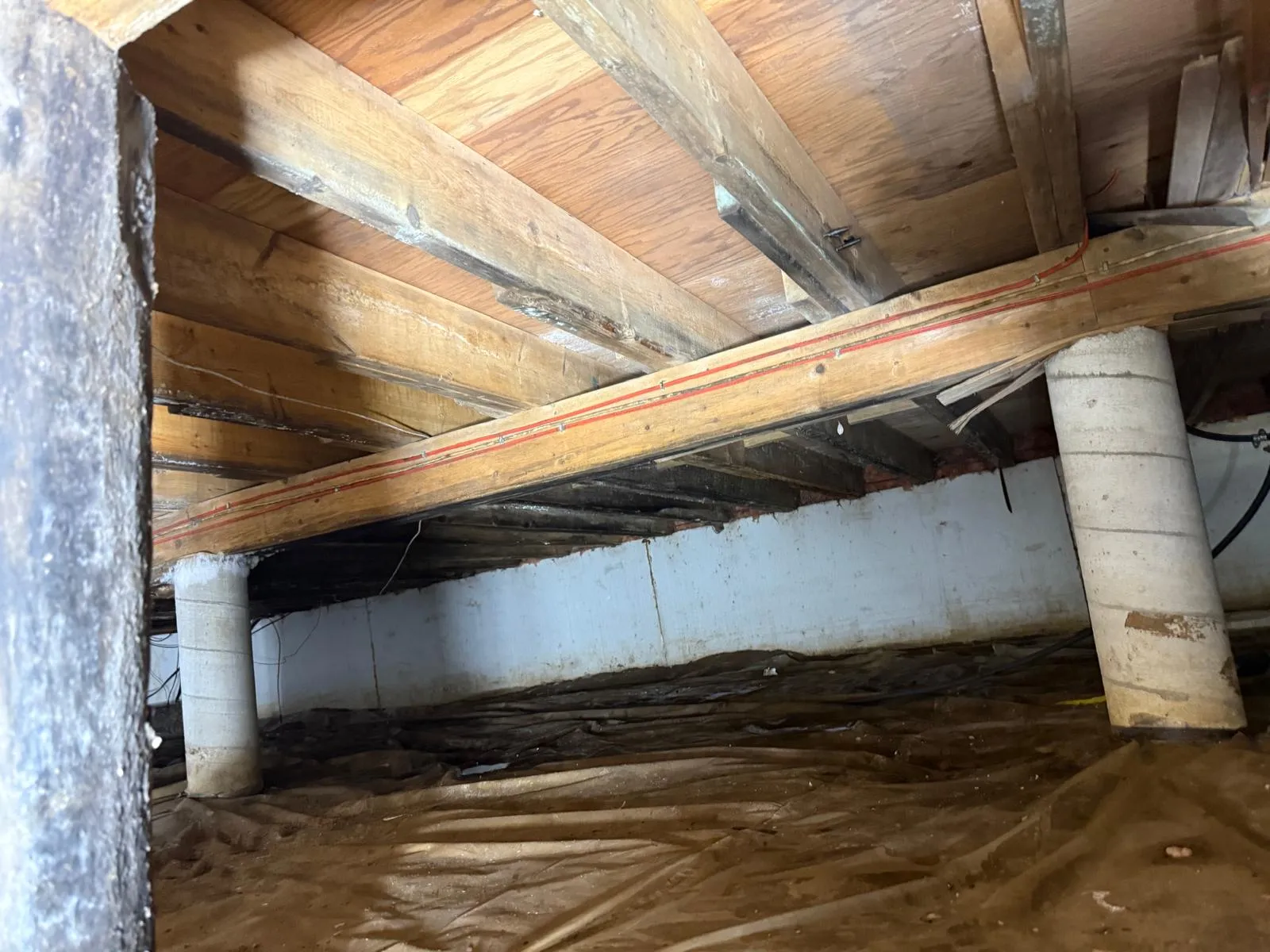
Risks of improper mold remediation

Non-Compliant Mold Remediation Risks You Must Know About

Summary – Risks of improper mold remediation Improper mold remediation can create serious health and property risks if professional standards are not followed. When mold removal is performed without containment, filtration, or proper material removal, mold spores can spread throughout a building and contaminate previously unaffected areas. Industry guidelines such as the ANSI/IICRC S520 Standard […]
Read more
air testing and mold testing

Mold Testing for Home: Sampling, Detection, Benefits & Analysis

Summary Mold testing helps determine whether mold spores are present in your home and identifies the type and concentration of mold affecting indoor air quality. Testing methods such as air sampling, surface sampling, and bulk material analysis can reveal hidden contamination that may not be visible. Professional mold testing is often recommended when homeowners notice […]
Read more

Activated Charcoal for Mold Removal: Does It Actually Work?

Activated charcoal does not kill mold or remove mold growing on walls, wood, or drywall. It can adsorb airborne particles and odors, which may help reduce musty smells, but it does not eliminate mold colonies or fix moisture problems. Effective mold remediation requires moisture correction, physical removal of contaminated materials, HEPA filtration, and containment procedures […]
Read more

Mold Inspection Facts You Might Not Know But Should Know

Buying a home in Toronto is already stressful. You rely on your home inspection report to flag structural issues, moisture problems, and potential risks. But here’s something many homeowners don’t realize: A standard home inspection is not a mold inspection. That distinction matters. Visible mold is often easy to spot. Hidden mold inside walls, ceilings, […]
Read more
How Negative Air Pressure Protects Your Home During Mold Remediation

Mold Containment During Remediation – Requirements & Rules

Mold Containment: Proper Isolation Is Critical During Mold Remediation Will mold spread during removal? That is the first question most homeowners ask. And it is a valid one. Mold spores are microscopic. The moment contaminated materials are disturbed, spores become airborne. If the work area is not isolated, those spores can move into clean rooms, […]
Read more
Black mold vs regular mold comparison showing Stachybotrys chartarum and common indoor mold species

Black Mold vs Regular Mold: What’s the Real Difference?

Difference between black mold and regular mold explained The difference between black mold and regular mold is often overstated. Black mold usually refers to Stachybotrys chartarum,a species that can grow on chronically wet materials. Common indoor molds such as Aspergillus and Penicillium are far more prevalent in homes. Color alone does not determine toxicity. Species […]
Read more
protective gear for mold removal

Cross-Contamination Due To Improper Mold Containment

 Containment is the backbone of mold remediation. When containment fails, remediation does not simply underperform. It actively spreads contamination into clean areas of a building. Cross-contamination is one of the most common reasons mold returns after cleanup, and one of the most frequent causes of failed post-remediation clearance. Understanding how improper containment causes this spread […]
Read more
IICRC S520 Mold Remediation Standards

ANSI/IICRC S520 Standards For Professional Mold Remediation

ANSI/IICRC S520 Mold Remediation Standards Mold in a home is not just a cosmetic issue. Mold → releases → microscopic spores Spores → affect → indoor air quality Moisture → drives → mold growth In Toronto and the GTA, long winters, basement humidity, attic condensation, and water damage from leaks create ideal fungal growth conditions. […]
Read more