Mold Spore Levels Explained: What’s Normal vs Dangerous?

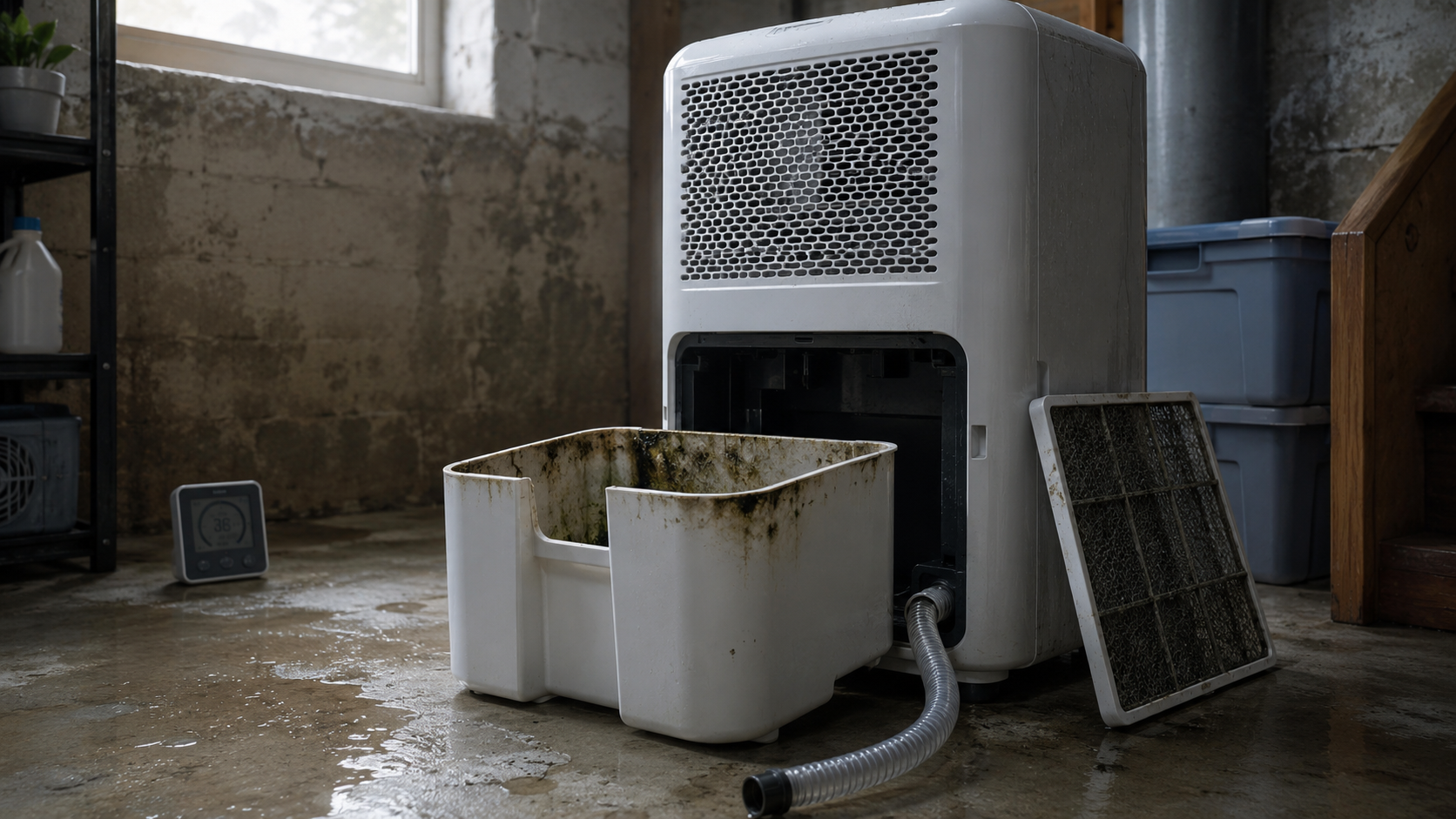
What Are Mold Spores? Mold spores are microscopic reproductive cells released by mold fungi. Mold spores travel through air and grow on surfaces with moisture, oxygen, and organic material. Indoor mold spores can trigger allergies and respiratory issues when concentrations exceed normal outdoor levels of 200–500 spores per cubic meter. Download this PDF about Mold […]
Read more

Why Does Mold Keep Coming Back After Removal? [Case Study]

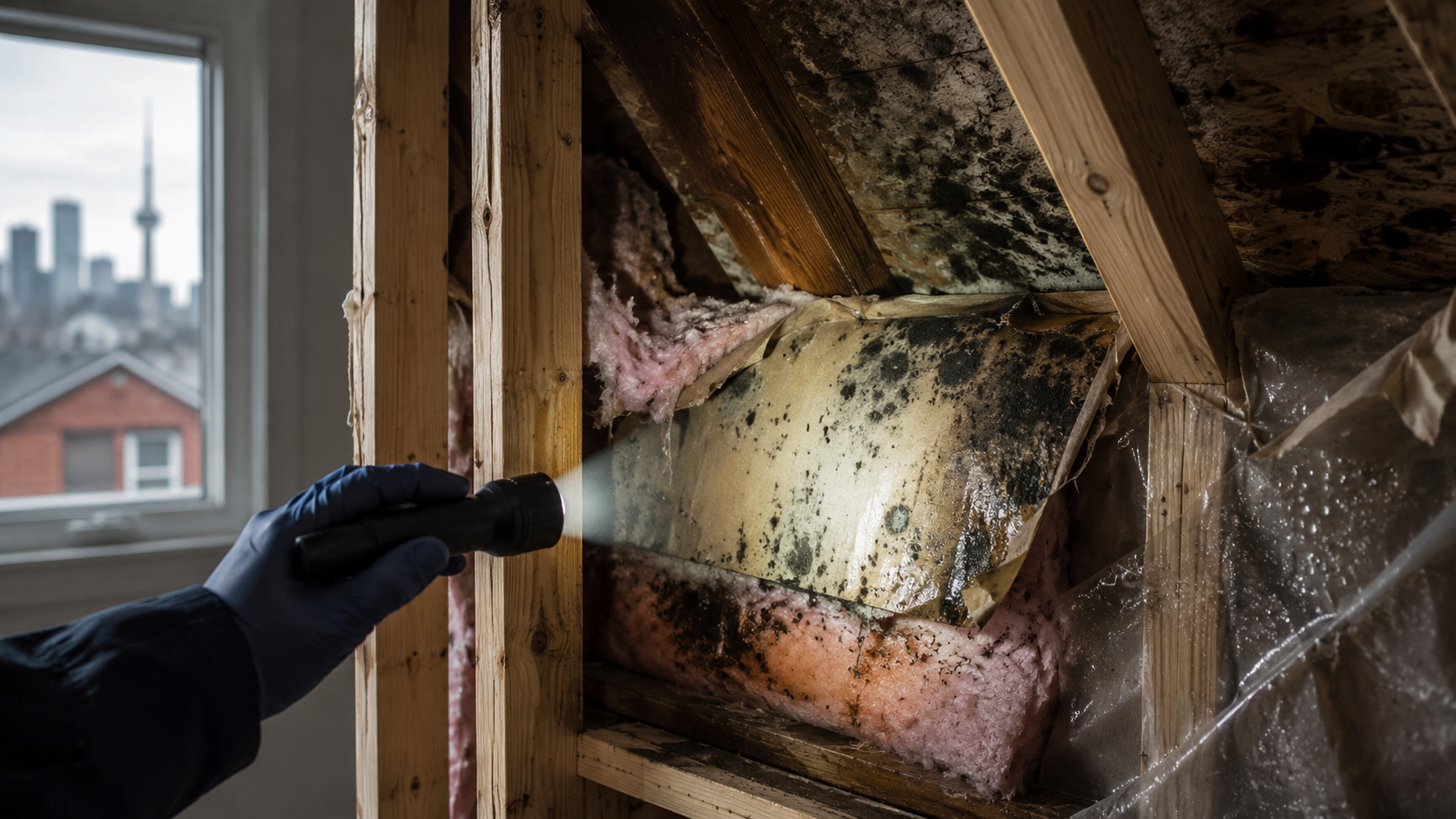
Mold comes back when the moisture source is not fixed, hidden contamination is missed, or remediation is incomplete. In Toronto homes, seasonal humidity, older construction, and ventilation issues increase the risk of recurrence. Long-term results depend on identifying the source, removing all affected materials, and verifying air quality after cleanup. Why does mold re-occur even […]
Read more

Does Home Insurance Cover Mold Damage in Toronto?

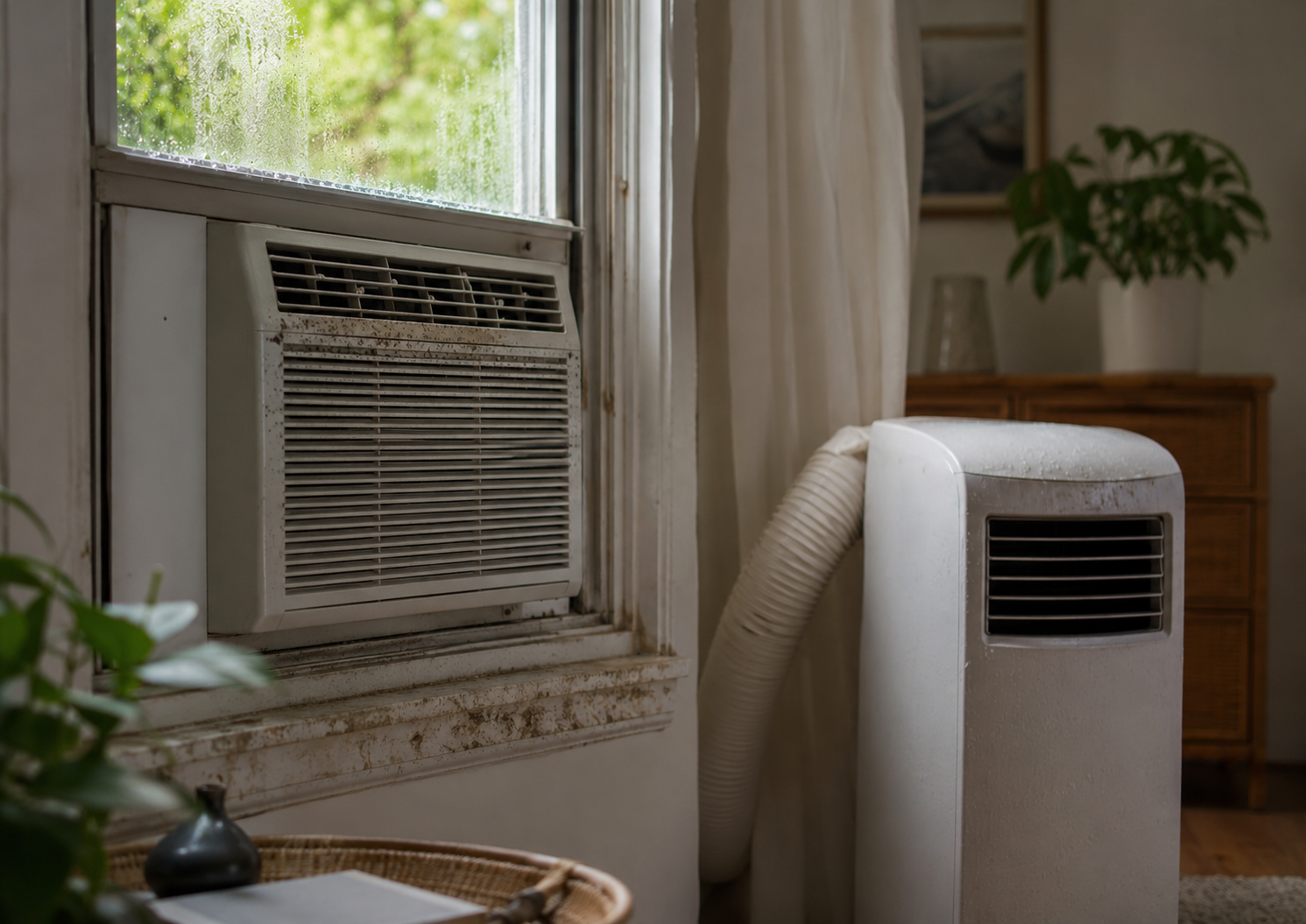
Home insurance may cover mold damage when the mold was caused by a sudden and accidental insured event, such as a burst pipe, appliance leak, or storm-related water entry. It usually does not cover mold caused by long-term leaks, poor maintenance, ongoing humidity, basement seepage, or delayed repairs. For Toronto homeowners, landlords, condo owners, and […]
Read more
mold from melting snow in spring

Mold After Snow Melt During Spring: Causes & Prevention

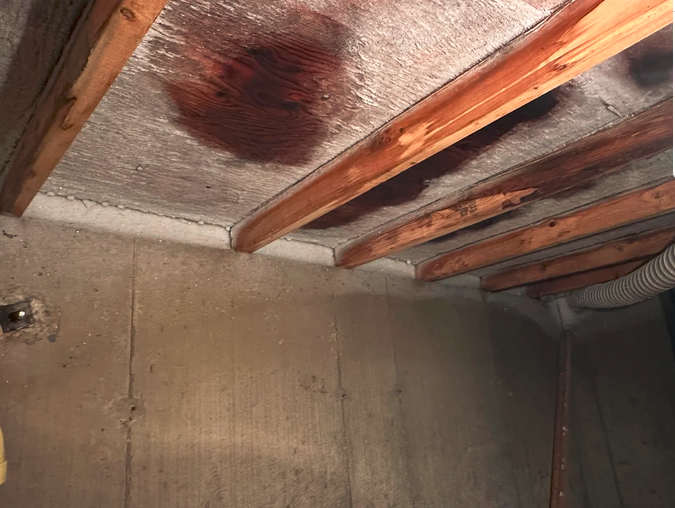
Mold After Snow Melt During Spring Snow melt and rising spring humidity can create hidden moisture that leads to mold growth in basements, walls, and attics.   Mold growth often increases in spring when melting snow raises moisture levels around homes. Water from snow melt can seep into basements, foundations, and crawl spaces while warmer temperatures […]
Read more