
Updated on 15-Jan-2026
Winter mold rarely shows up with drama. No sudden floods. No obvious leaks.
It creeps in quietly, while windows stay shut, heaters run nonstop, and moisture has nowhere to go.
And that’s the problem.
By the time most Toronto homeowners realize something’s wrong, mold has already had weeks to spread inside walls, behind insulation, or under basement flooring.
Here are the signs that matter. The ones people usually brush off. And the ones you really shouldn’t.
Table of Contents
Why Winter Moisture Creates Hidden Mold So Fast
Cold weather changes how moisture behaves inside a home.
Warm indoor air hits cold exterior surfaces. Condensation forms. Slowly. Repeatedly.
Add sealed windows, long showers, cooking steam, and snow melt near foundations, and moisture builds where you cannot see it.
- Behind drywall.
- Inside wall cavities.
- Along rim joists and basement framing.
Once mold spores get moisture and organic material, growth starts. Often within days.
A Musty Smell That Comes and Goes
This is usually the first sign. And the most ignored.
You notice it near the basement stairs. Or in a spare bedroom that shares an exterior wall.
It smells damp. Earthy. Almost like wet cardboard.
Then it disappears.
That does not mean the problem is gone. It means airflow changed.
Mold odors fluctuate based on humidity, furnace cycles, and pressure differences inside the home. If the smell keeps returning, something is growing somewhere.
also read – How Condensation Behind Walls Causes Winter Mold in Homes?
Condensation That Should Not Be There
Some winter condensation is normal. Excessive or persistent condensation is not.
Watch for:
-
Water droplets on windows long after sunrise
-
Damp window frames or sill staining
-
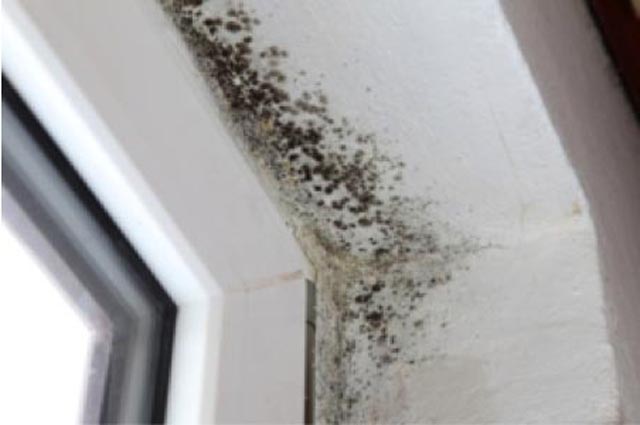
Condensation lines where walls meet ceilings
-
Moisture forming behind furniture placed against exterior walls
These areas often align with thermal bridges and insulation gaps. Perfect mold conditions.
Wall or Ceiling Stains That Slowly Get Bigger
Winter mold staining rarely looks dramatic at first.
It often appears as:
-
Faint yellow or brown discoloration
-
Slight shadowing near corners or baseboards
-
Darkened drywall seams
If a stain grows, changes shape, or returns after repainting, moisture is still present. Paint does not stop mold.
Basement Air That Feels Heavy or Damp
Basements in Toronto take the hardest winter hit.
Snow melt saturates soil. Older foundations wick moisture inward.
Even without visible water, humidity rises.
If your basement air feels dense, stale, or damp despite running heat, mold activity is likely nearby.
Pay attention if:
-
Dehumidifiers fill faster in winter
-
Concrete walls feel cold and damp to the touch
-
Cardboard or stored items start to smell
Those are early warnings.
Health Symptoms That Only Appear Indoors
This one gets personal fast.
People often say things like, “I feel fine at work, but awful at home.”
Winter mold exposure can trigger:
-
Persistent sinus congestion
-
Dry cough that worsens overnight
-
Headaches or pressure behind the eyes
-
Fatigue that does not match activity level
If symptoms improve when leaving the house, indoor air quality deserves attention.
Frost or Ice Build-Up Along Interior Walls
This sounds extreme, but it happens in Toronto winters.
When warm air leaks into cold wall cavities, moisture condenses and freezes.
Later, it melts. Quietly.
That freeze-thaw cycle feeds mold growth behind finished surfaces, especially near:
-
Cantilevered floors
-
Above-grade basements
-
Older brick or block foundations
Ice today often means mold tomorrow.
Paint Peeling or Bubbling in Winter
Paint reacts badly to moisture. Especially in heated homes.
If paint bubbles, cracks, or peels during winter, moisture is coming from behind the surface. Not from the room.
This is common on exterior-facing walls and basement ceilings below bathrooms or kitchens.
Why Ignoring These Signs Makes Winter Mold Worse
Winter mold spreads slower than summer mold. But it spreads deeper.
Because growth happens behind surfaces, damage stays hidden longer.
By spring, cleanup often requires removal of drywall, insulation, or flooring instead of surface treatment.
That means:
-
Higher remediation costs
-
Longer disruption
-
Increased insurance complications
Early action limits damage. Delayed action multiplies it.
What to Do If You Notice These Signs
Do not wait for visible mold.
If any of these signs repeat or worsen:
-
Reduce indoor humidity immediately
-
Avoid covering stains or odors
-
Get a professional assessment focused on moisture sources
The goal is finding where moisture is feeding growth. Not just where symptoms appear.
When Professional Mold Inspection Matters Most in Winter
Winter inspections require a different approach.
Thermal differentials. Moisture mapping. Air movement patterns.
A proper assessment looks beyond surface readings and focuses on hidden risk zones.
That is where most winter mold problems live.
Frequently Asked Questions About Winter Mold
Can mold grow during winter in Toronto homes?
Yes. Indoor mold growth continues year-round when moisture is present, especially behind walls and in basements during winter.
Does winter mold always smell?
No. Odors come and go based on airflow and humidity. Mold can be active without constant smell.
Is condensation enough to cause mold?
Yes. Repeated condensation on cold surfaces provides enough moisture for mold growth over time.
Should I wait until spring to deal with mold signs?
No. Waiting often allows deeper spread, leading to more invasive and expensive remediation.
Can dehumidifiers stop winter mold?
They help control humidity but do not address hidden moisture sources or existing growth.
If something in this article felt familiar, trust that instinct.
Winter mold in Toronto homes rarely announces itself clearly. It hints. Quietly. Repeatedly.
Ultimate Mold Crew specializes in identifying and resolving winter mold issues before they escalate.
If you need clarity, not guesswork, start with a professional assessment and get answers you can act on.
Your home should feel safe. Even in January.
Related posts:
- How Condensation Behind Walls Causes Winter Mold in Homes?
- Why Mold Growth Increases in Toronto Homes During Winter?
- Is Winter the Worst Time for Hidden Mold in Basements?
- Tips for Preventing Mold Growth in High-Moisture Like Bathrooms
- Mold Under Flooring Materials: Causes, Signs & Removal
- What Are The Signs Of Crawl Space Mould In Toronto Homes?
