
Updated on 10-Jul-2026
Do you want to know whether the vanity cabinet, drywall, baseboard, supply lines, P-trap, caulking, or hidden wall cavity is causing the problem. How to remove mold under vanity and around plumbing pipes?
Mould under a bathroom vanity is rarely just a dirty-cabinet problem.
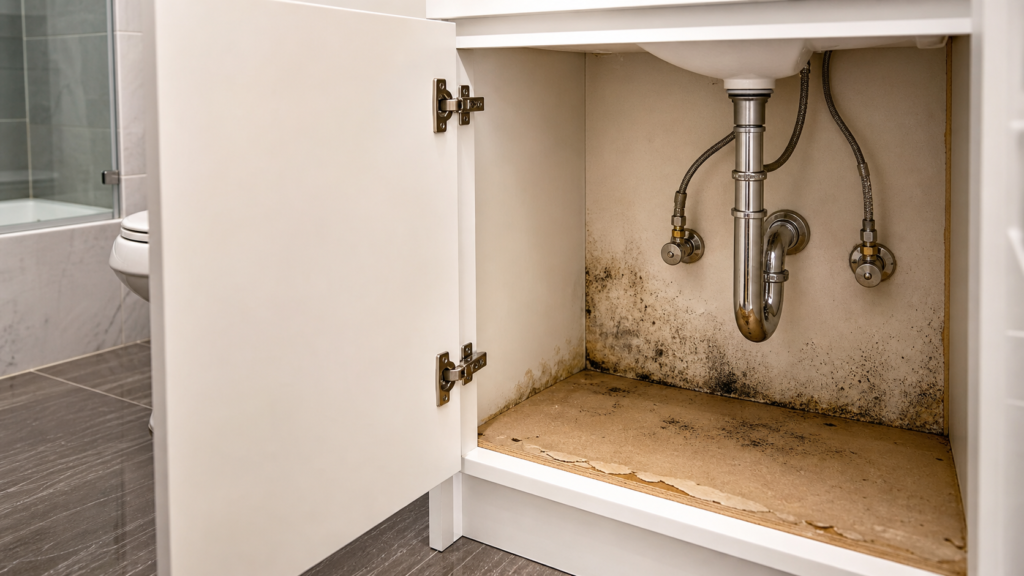
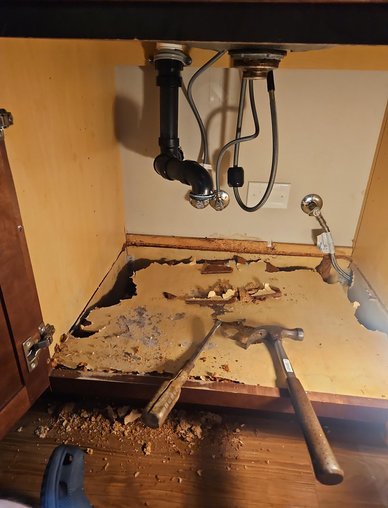
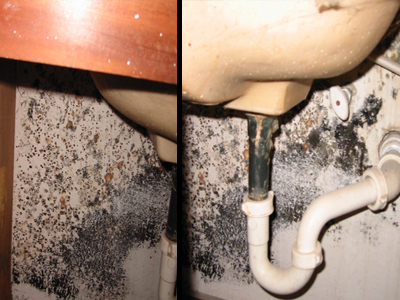
A dark patch around a drain pipe, swollen cabinet floor or musty smell behind the vanity often points to water escaping from a plumbing connection, condensing on a cold pipe or entering an unsealed opening in the wall.
The visible growth may be small. The damp area behind it may be much larger.
This matters because most modern vanities contain particleboard, medium-density fibreboard, plywood, paper-faced drywall and wood framing. These materials can absorb water, remain damp inside a closed cabinet and support fungal growth.
plumbing leaks, condensation, inadequate ventilation and wet building materials are common causes of indoor mould. It also advises correcting the moisture source because mould is likely to return when the underlying problem remains. Ultimate Mold Crew Toronto helps get rid of mold in your home in areas including: Basement, Attic, Bathroom, kitchen, Crawlspace, drywall, ceiling, wooden floor, attic plywood, concrete and more.
Table of Contents
What Should You Do First?
If you find mold under a bathroom vanity:
- Stop using the sink if the cabinet is wet.
- Check the P-trap, shut-off valves, supply lines, and faucet connections.
- Remove stored items from the cabinet.
- Photograph the area before cleaning or removing materials.
- Dry the cabinet with airflow and a dehumidifier.
- Do not paint, caulk, or cover moldy material.
- Call a mold professional near you if the cabinet is swollen, the drywall is soft, the smell is strong, or mold extends behind the vanity.
A small patch on a hard, non-porous surface may be cleanable. Mold on particleboard, MDF, drywall, baseboards, or insulation often means the affected material needs removal.
Why Mold Grows Under Bathroom Vanities
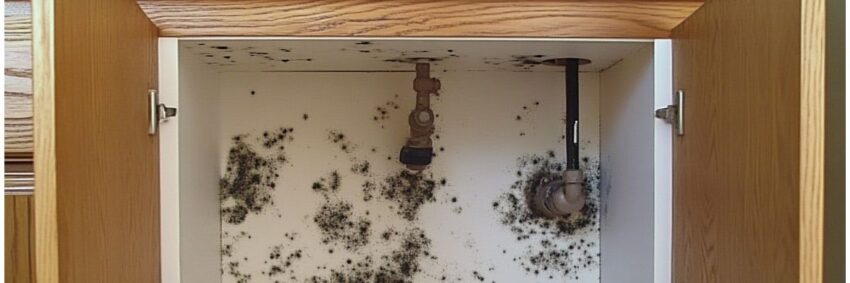
Bathroom vanities create a perfect hidden moisture zone. They contain plumbing, wood-based cabinet material, wall openings, dark corners, stored products, and limited airflow.
Mold needs moisture and a food source. Under a vanity, that food source is often wood dust, paper-faced drywall, MDF, particleboard, caulking residue, cardboard packaging, or organic debris. The moisture may come from a plumbing leak, wet cleaning products, condensation, or a failed seal around the sink.
The EPA’s residential mold guidance says the key to mold control is moisture control. If mold is cleaned but the water problem remains, the mold problem can return.
The Vanity Leak Pattern Map
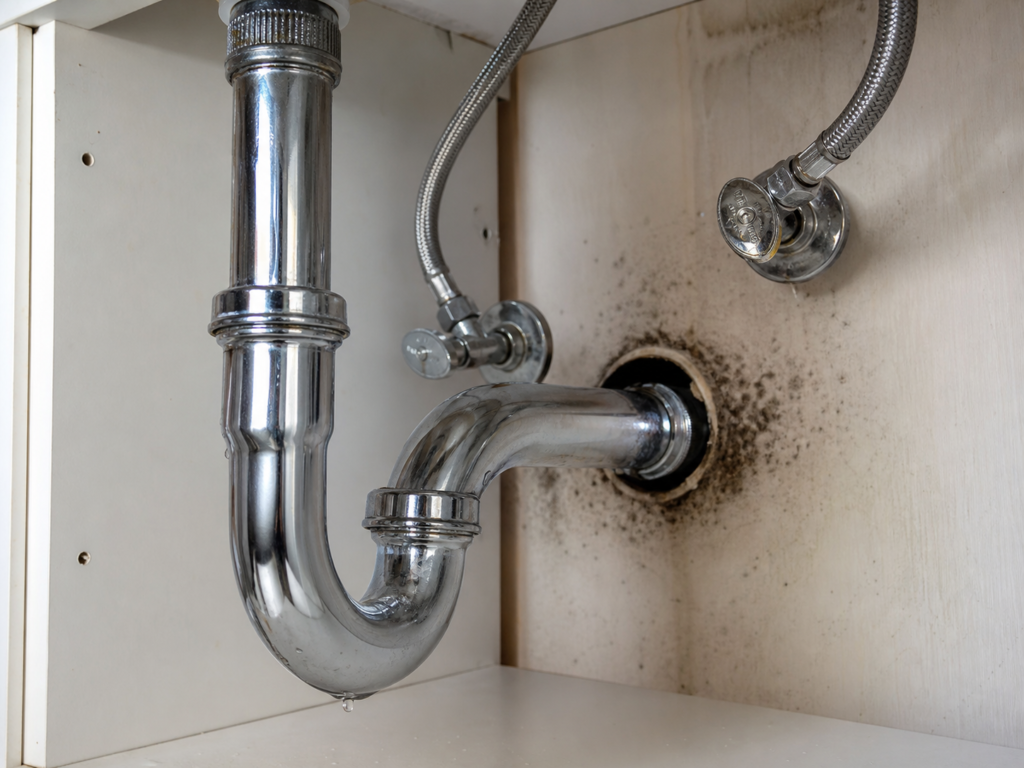
Use the pattern of damage to understand where the moisture may be coming from.
| What You See | Likely Cause | What It Usually Means |
|---|---|---|
| Mold around the drain pipe | P-trap leak or open wall penetration | Moisture may be entering the cabinet or wall cavity |
| Swollen cabinet floor | Ongoing leak inside the cabinet | MDF or particleboard may not be restorable |
| Mold near shut-off valves | Supply line or valve leak | Plumbing repair is needed before cleaning |
| Mold on the back wall of the vanity | Damp drywall or wall cavity moisture | Vanity removal may be needed |
| Musty smell but little visible mold | Hidden growth behind cabinet or baseboard | Inspection is safer than surface cleaning |
| Rust or mineral deposits | Slow leak or repeated condensation | Moisture has likely been present for a while |
| Mold beside the vanity on baseboard | Water has moved beyond the cabinet | Check flooring and wall base |
| Mold returns after cleaning | Moisture source was not fixed | Cleaning alone is not enough |
This pattern map is useful because mold under a vanity is rarely only a cleaning issue. It is a moisture diagnosis issue.
Common Causes of Mold Under a Bathroom Vanity
1. Leaking P-Trap or Drain Connection
The P-trap is the curved pipe under the sink. If its compression nut loosens or the seal fails, water can drip slowly into the cabinet.
A slow drain leak may only appear when the sink is used. That is why the cabinet can look dry during a quick check but still grow mold over time.
Look for:
- Drips after running water
- Water stains under the trap
- Mineral buildup
- Damp cabinet flooring
- Soft or swollen material around the drain
2. Leaking Supply Lines or Shut-Off Valves
Hot and cold supply lines feed the faucet. A small leak at the valve, hose, or connection can keep the cabinet damp for weeks.
Check for:
- Water beads on fittings
- Rust around valve stems
- Dampness below the shut-off valves
- Greenish or white mineral deposits
- Mold growing below the supply line path
If the leak is active, turn off the water supply and call a plumber before mold cleanup.
3. Failed Sink, Faucet, or Countertop Seal
Water can enter the vanity from above when the seal around the sink, faucet, backsplash, or countertop fails.
This is common when water pools around the faucet after handwashing or cleaning. The water may drip into the cabinet from the faucet base or from the edge where the sink meets the countertop.
Signs include:
- Mold near the front or sides of the cabinet
- Dampness after sink use
- Water trails from the underside of the counter
- Soft cabinet edges
- Loose caulking around the sink
4. Condensation on Cold Pipes
Condensation can form when warm bathroom air touches cold water pipes. This can happen in humid bathrooms, basement bathrooms, older homes, and poorly ventilated spaces.
Condensation often looks like a leak because water beads form on the pipe and drip into the cabinet.
Look for:
- Moisture on the outside of cold pipes
- No leak at fittings
- Dampness during humid weather
- Mold on nearby cabinet surfaces
- Moisture that appears after showers
Pipe insulation and better bathroom ventilation can help, but the cabinet still needs to be dried and checked for damage.
5. Open Pipe Holes Into the Wall
Many vanities have oversized holes where pipes enter the wall. If that opening connects to a damp wall cavity, musty air and moisture can move into the cabinet.
This matters because the mold you see around the pipe may be the visible edge of a deeper wall problem.
Warning signs include:
- Mold around the wall opening
- Musty smell from the pipe hole
- Soft drywall behind the cabinet
- Mold returning after cleaning
- Baseboard swelling near the vanity
6. Wet or Damaged Cabinet Material
Many modern vanity cabinets use MDF or particleboard. These materials absorb water quickly. Once swollen, they can stay damp inside even after the surface feels dry.
If the cabinet floor is bubbling, crumbling, or soft, cleaning the surface may not solve the problem. The damaged material may need to be removed or replaced.
Is Mold Under a Bathroom Sink Dangerous?
Mold under a sink should be taken seriously, especially if it is growing on porous material or spreading into hidden areas.
Mold exposure can irritate the eyes, skin, nose, throat, and lungs. People with asthma, allergies, immune concerns, or respiratory conditions may react more strongly. The CDC advises people with asthma or mold allergies to avoid buildings with mold when possible.
You do not need to identify the mold colour before acting. Black, green, white, grey, or brown mold can all indicate a moisture problem. The priority is to stop the water source, remove affected material safely, and prevent recurrence.
Can You Clean Mold Under a Vanity Yourself?
You may be able to clean a small area if all of these are true:
- The mold is on a hard, non-porous surface
- The affected area is small
- The leak has been fixed
- The cabinet material is not swollen or crumbling
- There is no musty smell from behind the wall
- No one in the home has health concerns related to mold
- The mold does not return after drying
The EPA says small mold areas under about 10 square feet may often be handled by homeowners, but larger areas, heavy water damage, contaminated water, or HVAC involvement should be handled professionally.
When Cleaning Is Not Enough
Cleaning is not enough when the mold is growing into porous or water-damaged material.
Professional help is recommended when:
- The cabinet floor is swollen
- Drywall behind the vanity is soft
- Mold extends behind the cabinet
- The area smells musty after cleaning
- The leak has been active for a long time
- There is sewage or drain backup
- Mold covers a larger area
- The property is a rental, condo, or sale listing
- Documentation is needed for insurance or property management
Porous materials can hold mold growth below the surface. EPA guidance notes that absorbent materials may have to be discarded when moldy because mold can grow into spaces and crevices.
How to Remove Mold Under a Bathroom Vanity
Step 1: Stop the Moisture
Do not start by spraying cleaner. Start by finding the water source.
Check:
- P-trap
- Drain gasket
- Faucet connections
- Supply lines
- Shut-off valves
- Sink seal
- Countertop seams
- Wall pipe openings
- Floor around the vanity
If plumbing is leaking, repair that first.
Step 2: Empty the Cabinet
Remove everything under the sink. Throw away wet cardboard, paper, sponges, and damaged disposable items. Clean and dry plastic bottles before placing them back.
Avoid storing towels, toilet paper, cardboard boxes, or cleaning cloths directly under a sink that has had moisture problems.
Step 3: Protect Yourself
Wear gloves, eye protection, and an N95 respirator for small cleanup work. Keep children and pets away from the area.
If the affected material is crumbling, widespread, or inside a wall cavity, stop and call a professional.
Step 4: Clean Hard Surfaces
For hard, sound surfaces, scrub with detergent and water, then dry fully. Do not leave the area damp.
Do not paint or caulk over mold. EPA guidance warns that paint over moldy surfaces is likely to fail. The surface must be cleaned and dried first.
Step 5: Remove Material That Cannot Be Restored
Remove and replace material that is swollen, soft, crumbling, or moldy below the surface.
This may include:
- Cabinet floor panels
- MDF toe-kicks
- Baseboards
- Paper-faced drywall
- Wet insulation
- Damaged caulking
- Waterlogged shelving
If the vanity blocks access to wet drywall, selective cabinet removal may be needed.
Step 6: Dry the Area Completely
Use airflow, dehumidification, and moisture checks. A cabinet can feel dry on the surface while the back wall or floor remains damp.
Do not close the cabinet and reload storage items until the area is dry.
Step 7: Reinspect After 48 to 72 Hours
After the repair and cleanup, check the area again.
Look for:
- New moisture
- Odour
- swelling
- condensation
- staining
- visible regrowth
If mold returns quickly, the source was not fully fixed.
Why Bleach Is Not a Complete Fix
Bleach may lighten stains, but it does not solve the moisture source. It is also not reliable for porous materials such as MDF, particleboard, drywall, and unfinished wood.
A better approach is:
- Stop the water source
- Remove damaged porous material
- Clean hard surfaces
- Dry the area fully
- Repair the opening, seal, or plumbing issue
- Monitor for recurrence
The goal is not to make the stain disappear. The goal is to remove the mold-supporting condition.
Do You Need Mold Testing?
Mold testing is not always needed when visible mold and moisture are already present. In many vanity cases, the more useful step is a moisture inspection.
Testing may help when:
- There is a musty smell but no visible mold
- A landlord, condo board, insurer, or buyer requests documentation
- Symptoms are being discussed with a health professional
- Hidden mold is suspected behind the vanity
- There is a dispute about the source or extent
For a simple visible patch caused by a known leak, testing may not change the repair plan.
Toronto-Specific Vanity Mold Issues
Older Toronto Homes
Older homes may have aging drain connections, older shut-off valves, uneven walls, and previous plumbing repairs. Small leaks can hide behind built-in vanities or older wall finishes.
Condominiums
In condos, vanity mold may involve the unit owner, property manager, condo corporation, or neighbouring unit. Report active leaks quickly and document the area before removal.
Basement Bathrooms
Basement bathrooms can combine plumbing moisture with cooler surfaces and higher humidity. Condensation and poor airflow are common contributors.
Rental Units
Tenants should notify the landlord or property manager in writing as soon as mold or water damage is found. Photos, dates, and repair requests should be kept.
How Professionals Investigate Mold Behind a Vanity
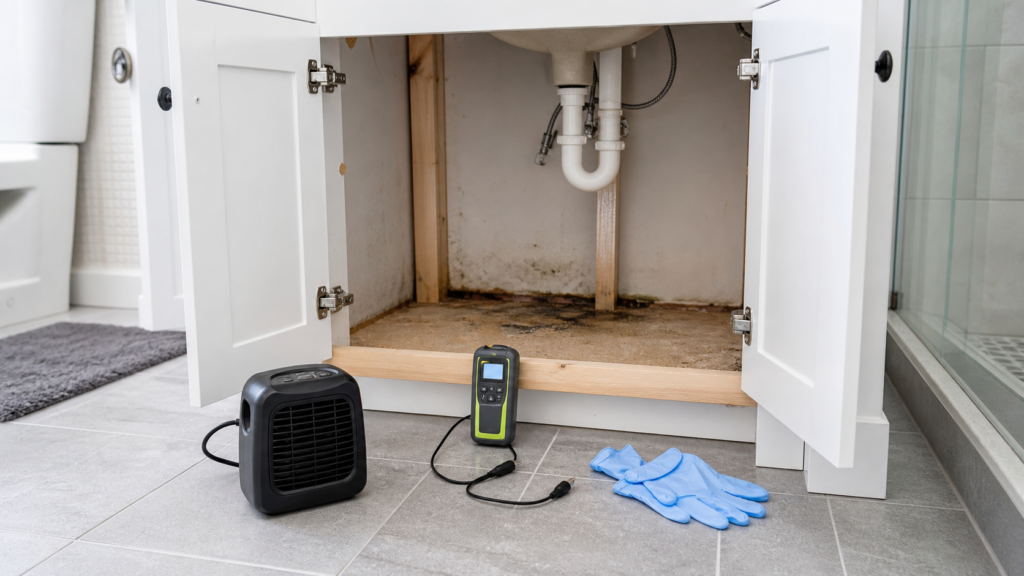
A professional inspection may include:
- Visual inspection
- Moisture readings
- Thermal imaging where useful
- Checking pipe penetrations
- Looking for water migration into flooring or baseboards
- Inspecting drywall behind the vanity
- Assessing whether the cabinet can be cleaned or must be removed
- Creating a remediation scope
Ultimate Mold Crew can inspect vanity mold, identify moisture patterns, remove affected material, and help prevent the issue from returning.
How to Prevent Mold From Coming Back
Fix Small Leaks Early
Even a slow drip can keep cabinet material damp enough for mold. Check under the sink monthly.
Keep the Cabinet Open After Repairs
After a leak, leave the cabinet open during drying. Closed cabinet doors trap moisture.
Improve Bathroom Ventilation
Run the exhaust fan during showers and after bathing. If the fan is weak or vents into the attic instead of outdoors, correct the ventilation issue.
Insulate Condensation-Prone Pipes
Cold water pipes may need insulation when condensation is the source.
Seal Sink and Countertop Edges
Maintain caulking around the sink, backsplash, faucet base, and countertop joints.
Do Not Overfill the Cabinet
Packed storage blocks airflow and hides leaks. Keep the pipe area visible.
Use a Leak Tray or Water Sensor
A small under-sink tray or leak sensor can catch early leaks before they damage the cabinet.
FAQs About Mold Under Bathroom Vanity
Why is there mold under my bathroom sink?
Mold under a bathroom sink usually comes from a leak, condensation, poor ventilation, wet cabinet material, or moisture entering through pipe openings in the wall.
Is mold under a vanity always from plumbing?
No. Plumbing leaks are common, but condensation, failed sink seals, damp drywall, and poor airflow can also cause mold.
Can I keep the vanity if there is mold inside?
You may be able to keep it if the mold is small, surface-level, and on hard material. If the cabinet is swollen, soft, or moldy inside the material, replacement is often safer.
Should I remove the vanity to check behind it?
Remove the vanity or call a professional if there is a strong musty smell, soft drywall, recurring mold, swollen baseboards, or visible mold around wall pipe openings.
Does black mold under a sink mean toxic mold?
Colour alone does not identify mold type or risk. Treat any indoor mold growth as a moisture problem that needs correction.
Can mold under a vanity spread?
Yes. Mold can spread when moisture reaches drywall, baseboards, flooring, or wall cavities. Disturbing moldy material without containment can also spread spores.
Who should I call first, a plumber or mold company?
If water is actively leaking, call a plumber first or shut off the water. If mold has affected the cabinet, drywall, flooring, or hidden areas, call a mold remediation company.
Key Takeaway
Mold under a bathroom vanity is a warning sign, not just a cleaning task. The visible mold often points to a moisture source inside the cabinet, around the plumbing, behind the wall, or under the floor.
Fix the water source first. Then decide whether the affected material can be cleaned, dried, removed, or professionally remediated.
For mold under a bathroom vanity in Toronto or the GTA, Ultimate Mold Crew can inspect the source, assess hidden moisture, remove affected material, and help prevent the mold from coming back.
🚨 Get Emergency Mold Help in Toronto & the GTA
Don’t let mold compromise your air quality or your safety. Contact Ultimate Mold Crew today for certified mold removal in Toronto, complete remediation, and post-clearance verification.
📞 Call Us: 647-985-2739
📍 Serving: Toronto, Scarborough, Mississauga, Markham, and surrounding GTA- contact Ultimate Mold Crew.
Why is mould growing around the pipes under my bathroom sink?
Mould around bathroom pipes usually indicates repeated moisture from a leaking fitting, condensation on a cold-water line, water entering through the countertop or dampness inside the wall. The pipe opening may expose absorbent drywall or cabinet edges that stay wet longer than finished surfaces.
Can a small plumbing leak cause mould?
Yes. A slow or intermittent leak can keep particleboard, drywall or wood damp without producing a visible puddle. Enclosed vanity cabinets also have limited airflow, which slows drying.
How can I tell whether a pipe is leaking or sweating?
Dry the pipe and fittings completely. Run the fixture while observing each connection. Moisture beginning at a specific joint suggests leakage. Droplets forming broadly along a cold pipe suggest condensation. A plumber or moisture professional may be needed when the pattern remains unclear.
Should gaps around bathroom pipes be sealed?
Openings can be finished after the plumbing and surrounding cavity have been inspected and confirmed dry. Do not seal over active mould, wet drywall or a hidden leak. Some penetrations may also require specific fire-stopping, acoustic or building-system materials.
Does the vanity need to be removed?
Removal may be unnecessary for a very small, accessible surface issue on sound material. It becomes more likely when the cabinet is swollen, the wall behind it is affected, the leak cannot be accessed or water has travelled beneath the vanity.
Can mould grow behind a vanity without being visible?
Yes. Growth can develop on the rear of the cabinet, paper facing of drywall, wall framing, subfloor or underside of the vanity base. A musty odour, recurring staining or elevated moisture can justify further inspection.
Can I paint over mould inside the cabinet?
No. Paint does not correct the leak or remove contamination. Coating damp or mouldy material can conceal the problem and delay proper repairs.
Is mould under the bathroom sink covered by insurance?
Coverage depends on the policy and the cause. Sudden and accidental water discharge may be treated differently from long-term seepage, poor maintenance or gradual deterioration. Document the damage, stop further water loss and contact the insurer promptly.
Will replacing the vanity solve the problem?
Only when the moisture source has also been corrected and affected wall or flooring materials have been addressed. Installing a new vanity over damp drywall or subfloor can conceal the same problem again.
When should I contact a professional?
Seek professional help when the growth is concealed, recurring or extensive, when porous materials are damaged, when sewage is involved, or when the wall and floor remain wet after the plumbing repair.
Sources
- EPA: Mold Cleanup in Your Home
https://www.epa.gov/mold/mold-cleanup-your-home - EPA: A Brief Guide to Mold, Moisture and Your Home
https://www.epa.gov/mold/brief-guide-mold-moisture-and-your-home - CDC: Mold
https://www.cdc.gov/mold-health/about/index.html - Health Canada, Guide to Addressing Moisture and Mould Indoors
https://www.canada.ca/en/health-canada/services/publications/healthy-living/addressing-moisture-mould-your-home.html - Health Canada, Mould: Reduce Humidity, Moisture and Mould
https://www.canada.ca/en/health-canada/services/air-quality/indoor-air-contaminants/reduce-humidity-moisture-mould.html - Health Canada, Residential Indoor Air Quality Guideline: Moulds
https://www.canada.ca/en/health-canada/services/publications/healthy-living/residential-indoor-air-quality-guideline-moulds.html - City of Toronto, Mould
https://www.toronto.ca/community-people/health-wellness-care/health-programs-advice/mould/ - City of Toronto, Property Standards
https://www.toronto.ca/city-government/public-notices-bylaws/bylaw-enforcement/property-standards-keep/ - United States Environmental Protection Agency, A Brief Guide to Mold, Moisture and Your Home
https://www.epa.gov/mold/brief-guide-mold-moisture-and-your-home - United States Environmental Protection Agency, Mold Cleanup in Your Home
https://www.epa.gov/mold/mold-cleanup-your-home - United States Environmental Protection Agency, What Are the Basic Mold Cleanup Steps?
https://www.epa.gov/mold/what-are-basic-mold-cleanup-steps - Canadian Centre for Occupational Health and Safety, Indoor Air Quality: Moulds and Fungi
https://www.ccohs.ca/oshanswers/chemicals/iaq/iaq_mould.html
