
Updated on 05-Aug-2026
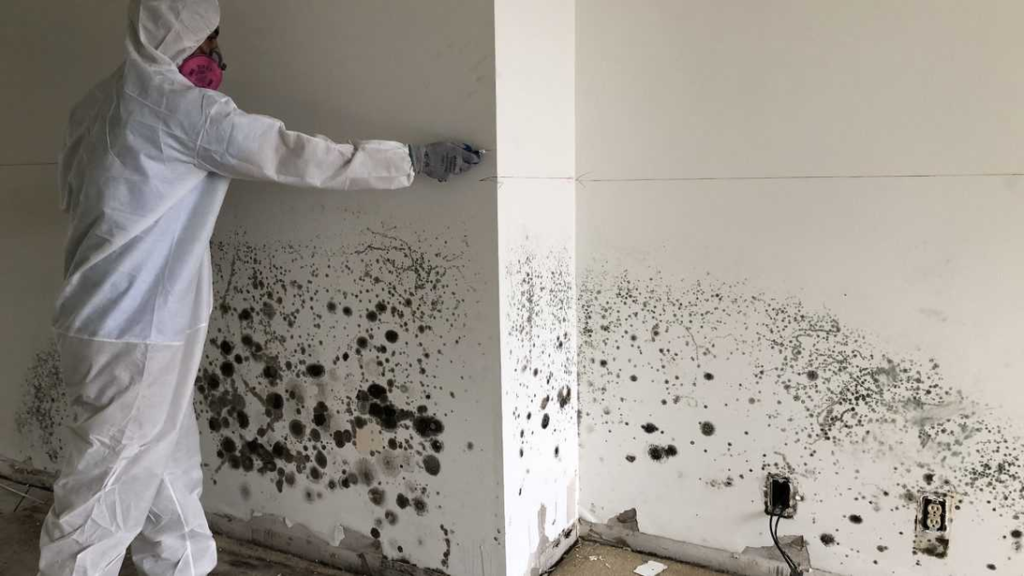
Many homeowners can remain in their homes during a small, isolated mold remediation project. Temporary relocation may be recommended when the work affects several rooms, involves the HVAC system, blocks essential living areas, or creates added exposure concerns for the occupants.
The decision depends on the conditions inside the property. A contained attic project with a sealed access hatch creates a different situation from widespread mold removal across a finished basement.
Removing mold from one bathroom also has a different effect on the household than opening walls near a furnace return or central staircase.
Health Canada classifies a mold area of up to one square metre as small. A combined area under three square metres may be considered medium. A single patch larger than three square metres requires immediate action and professional assessment.
These measurements help determine the scope of remediation, but square footage alone cannot determine whether a family should stay home. Location, containment, ventilation and occupant health also matter.
Table of Contents
Can You Stay Home During Mold Remediation?
You may be able to remain at home when all of the following conditions apply:
- The contaminated area is limited to one part of the property.
- The work zone can be fully separated from occupied rooms.
- Mold has not contaminated the heating or cooling system.
- Workers can remove debris without passing through family living areas.
- Children and pets can remain far from the containment zone.
- The project does not remove access to your only kitchen, bathroom or exit.
- No occupant has a condition that makes mold exposure a greater concern.
Relocation becomes more likely as the work area expands or connects with the rest of the house.
A person may stay upstairs during contained basement remediation if the basement has a separate entrance and isolated ventilation. That same arrangement may be unsuitable if workers must carry contaminated drywall through the kitchen and front hallway.
The remediation contractor should review these conditions before work starts. The recommendation may also change after walls, ceilings or insulation are opened and the full extent of contamination becomes visible.
Quick Guide: Can You Stay or Should You Leave?
| Mold removal situation | Likely recommendation | Main reason |
|---|---|---|
| Isolated attic with a sealed hatch | Remaining home may be possible | The work zone can often be separated from living areas |
| Small bathroom with effective containment | Remaining home may be possible | Contamination is limited to one room |
| Basement with a separate exterior entrance | Remaining upstairs may be possible | Workers and waste may avoid occupied areas |
| Mold inside several rooms | Temporary relocation may be recommended | Multiple occupied areas may be affected |
| Mold near a furnace or return-air vent | A stricter occupancy plan is needed | Air movement can carry particles beyond the work area |
| Contaminated HVAC components | Temporary relocation may be recommended | The ventilation system can distribute contamination |
| Extensive demolition | Temporary relocation may be more practical | Noise, dust, debris and restricted access affect daily use |
| Home occupied by a person with asthma, COPD or immune suppression | Relocation should be seriously considered | These occupants may face greater health risks |
| Home with babies or young children | Relocation may be safer | Children cannot reliably avoid the work zone |
| Only kitchen or bathroom is inaccessible | Relocation may be practical | The home may not remain functional during the project |
This table provides a planning guide. A mold risk site assessment is still required because a small contaminated area can create a wider concern when it sits beside an air intake, open stairway or frequently used entrance.
The Size and Location of the Work Area Matter
Mold remediation disturbs contaminated materials. Cutting drywall, removing insulation, pulling carpet and cleaning wood framing can release settled particles into the work area.
Larger projects generally require stronger separation between the remediation zone and the occupied part of the house. EPA guidance describes limited containment for many projects involving 10 to 100 square feet of contamination. Full containment may be required for areas larger than 100 square feet or where the work could spread contamination into occupied spaces.
These area ranges provide a starting point. The shape and position of the contamination can carry equal weight.
Attic Mold Removal
Many Toronto attic projects allow the occupants to remain home because the attic is outside the main living area. The access hatch can be sealed, and the work area may be placed under negative pressure.
The decision becomes more restrictive when:
- The attic hatch opens inside a bedroom or nursery.
- Workers must move equipment through occupied rooms.
- Mold has entered ceiling cavities below the attic.
- Vermiculite or another suspect insulation material is present.
- The project requires ceiling removal from inside the home.
- Bathroom exhaust ducts or other ventilation components are contaminated.
An attic project may appear physically distant from the family. Its access point, ventilation connections and debris route determine how isolated the work can remain.
Basement Mold
A basement with an exterior entrance often provides better separation. Workers can enter, remove waste and operate equipment without using the main floor.
Conditions change when the basement is finished or connected to the home through an open staircase. Mold behind drywall, under flooring or inside insulation can require controlled demolition. Air from the basement may also move upward through stairwells, duct openings and gaps around pipes.
A family may remain upstairs during some basement projects. Widespread contamination, furnace involvement or demolition near the staircase may support temporary relocation.
Bathroom Mold
A contained bathroom project may cause limited disruption if another bathroom remains available.
The family may need another arrangement when:
- The property has one bathroom.
- Mold extends into an adjoining bedroom.
- The exhaust duct contains contamination.
- The ceiling must remain open for drying.
- Plumbing repairs require the water supply to be shut off.
- The work blocks a central hallway.
The room’s function matters as much as the mold area. Losing the only bathroom can make the home unsuitable for normal occupancy even when the remediation zone is small.
Mold Behind Walls and Ceilings
Hidden mold creates uncertainty during the initial assessment. A small stain may connect to a much larger wet cavity.
Opening a wall can reveal contaminated insulation, framing, drywall backing or neighbouring cavities. The contractor may need to expand containment after demolition begins.
Homeowners should prepare for this possibility before the project starts. A clear contingency plan can identify where the family will stay if the remediation scope grows.
Containment Determines How Well Occupants Are Protected
Containment separates the contaminated work zone from the clean portion of the property.
A professional containment system may include:
- Polyethylene barriers
- Sealed entry flaps or zipper doors
- Covered supply and return vents
- Negative air pressure
- HEPA-filtered air scrubbers
- Protected floors and access routes
- Sealed waste bags
- Decontamination procedures for workers and equipment
The purpose of containment is to reduce the movement of mold particles from the work area into surrounding rooms. Negative pressure directs air into the containment zone and prevents contaminated air from flowing outward through small openings.
Containment quality has a direct effect on the occupancy decision.
A properly isolated basement may allow the rest of the house to remain functional. A poorly placed plastic barrier beside an open staircase provides far less control.
At Ultimate Mold Crew, we assess the work area, air pathways, entry points and debris route before setting the containment plan. We also consider how family members move through the property during a normal day. The safest plan must work under real household conditions.
Signs That the Work Area Is Properly Isolated
Occupants should understand where the containment begins and which areas are restricted.
During active remediation:
- The barrier should remain sealed.
- Family members should not enter the work zone.
- Children and pets should not approach containment doors.
- Waste should leave through a controlled route.
- Heating and cooling vents inside the work zone should be addressed.
- Remediation equipment should remain running as directed.
- Workers should communicate any change in the project scope.
Containment should remain in place until removal, detailed cleaning and the required verification steps are complete.
HVAC Isolation Can Change the Entire Occupancy Plan
A home’s heating, ventilation and air conditioning system moves air between rooms. Mold contamination inside the system or close to a return-air intake can affect areas far from the visible growth.
The EPA advises that a known or suspected mold-contaminated HVAC system should not be operated until it has been assessed and remediated. Running a contaminated system may distribute mold through the building.
HVAC concerns may arise when:
- Mold is visible inside ducts or air-handling equipment.
- A furnace room contains extensive mold.
- Water entered the duct system.
- Mold growth sits beside a return-air grille.
- A contaminated basement shares open returns with the upper floors.
- An attic air handler or fan coil has been affected.
- Musty odours appear when the heating or cooling system starts.
Closing one vent may not isolate the system. Air can move through duct leakage, return cavities, open chases and mechanical rooms.
The remediation plan may require the system to remain off, selected ducts to be sealed, or temporary heating and cooling arrangements to be made. This can affect the household during Toronto heat waves and winter cold periods.
A family may decide to relocate because the home cannot maintain a suitable temperature while the ventilation system remains isolated. This is a practical occupancy issue rather than a direct measure of mold severity.
Access Routes Can Spread Disruption Beyond the Work Zone
Workers need a route for equipment, removed materials and sealed waste.
A project may have strong containment around the contaminated room while still creating problems along the access path. The route may cross a kitchen, living room, shared condo hallway or main staircase.
Before work begins, the contractor should identify:
- The closest exterior exit
- The route used for sealed waste
- Floor and wall protection
- Shared spaces that require protection
- Elevator or corridor requirements in a condominium
- Doors that must remain closed
- Areas that occupants cannot use
- Emergency exits that must remain accessible
A separate basement entrance often improves the occupancy plan. An attic hatch at the end of a private hallway may also be manageable.
A hatch inside a child’s bedroom creates a different situation. Even with containment around the opening, the room may need to remain vacant until the work and cleaning are complete.
Children and Pets Should Remain Away From Mold Remediation
Children should not enter a mold-contaminated work area. They may touch barriers, move protective coverings or enter the containment zone without understanding the risk.
CDC guidance states that children should not enter buildings with mold damage. It also advises people with breathing conditions or weakened immune systems to avoid mold-damaged environments.
A household with babies or young children may choose temporary relocation even when adults could remain home safely. This decision becomes more relevant when:
- Containment is near a nursery or play area.
- Equipment and electrical cords cross family spaces.
- The child cannot avoid the restricted floor.
- Noise interferes with sleep.
- The kitchen or bathroom is unavailable.
- The project lasts for several days.
Pets also need a secure area away from workers, equipment and containment doors. A dog may disturb a plastic barrier while reacting to unfamiliar noise. A cat may enter wall cavities or ceiling openings during demolition.
Keeping a pet in another closed room may work for a short project. Boarding or temporary care may be safer when the remediation zone affects a large part of the home.
Occupants With Respiratory or Immune Conditions Need Added Protection
Some occupants have a lower tolerance for mold exposure and airborne dust created during remediation.
The CDC advises that people with asthma, chronic obstructive pulmonary disease or immune suppression should not remain in a moldy home or be present while mold cleanup is taking place. Mold exposure may also cause stronger reactions among people with mold allergies or chronic lung disease.
Temporary relocation deserves serious consideration when the home includes someone with:
- Asthma
- COPD
- Chronic lung disease
- Significant mold allergies
- A weakened immune system
- A recent organ or stem-cell transplant
- Medical treatment that suppresses immune function
- Respiratory symptoms that worsen inside the property
The remediation contractor can explain the physical scope, containment and work methods. Medical questions should be discussed with the occupant’s healthcare provider.
A small remediation project does not automatically make continued occupancy suitable for every person. Occupant health can outweigh the size of the visible mold area.
How We Assess Whether a Family Can Remain Home
Before remediation begins, we review five connected parts of the project.
1. Work-Zone Separation
We determine whether the contaminated area can be separated from bedrooms, living areas and essential household spaces.
2. Airflow Control
We identify supply vents, return-air pathways, exhaust systems and other openings that could move air between the work zone and occupied rooms.
3. Occupant Needs
We consider children, pets, older adults and people with respiratory or immune-related concerns.
4. Household Function
We confirm whether the family will retain safe access to a bathroom, kitchen, sleeping area and exterior exit.
5. Project Activity
We assess demolition, waste removal, equipment noise, drying time and the expected duration of containment.
The final recommendation should reflect the whole property. One serious concern can change the plan even when the visible mold area appears small.
Kitchen and Bathroom Access Can Decide Whether the Home Remains Livable
A family may be physically separated from the mold remediation area and still need temporary accommodation because essential rooms cannot be used.
This often occurs when remediation affects:
- The only bathroom
- The kitchen sink or food-preparation area
- Plumbing lines that require a water shutoff
- A hallway connecting bedrooms to a bathroom
- The main entrance or staircase
- The electrical panel or mechanical room
- A laundry room needed by the household
- A bedroom required by a child or older adult
A small bathroom project may involve less mold than a large attic project. It can create greater disruption when it removes the home’s only toilet, shower or bathing area.
The contractor should explain which rooms will remain available before work begins. Homeowners can then decide whether they can maintain a safe daily routine.
Can You Use Your Kitchen During Mold Remediation?
Kitchen access depends on the location of the contamination and the debris-removal route.
The kitchen should not remain in normal use if it is:
- Inside the containment zone
- Directly beside an unsealed work area
- Used as the route for contaminated building materials
- Affected by a plumbing or appliance leak
- Connected to contaminated wall or ceiling cavities
- Exposed to demolition dust
- Without running water during the project
Food, dishes, utensils and small appliances should be removed or protected when remediation occurs nearby.
A kitchen located on another floor may remain usable during a contained basement or attic project. The contractor must still confirm that the work route and airflow do not pass through the food-preparation area.
Can You Use Your Bathroom During Mold Removal?
A bathroom outside the containment area can often remain available. A bathroom inside the work zone cannot be used until the contractor releases it.
The shower or bathtub may also need to remain off-limits after removal if:
- Plumbing repairs are incomplete.
- Wall or ceiling cavities are open.
- Drying equipment is operating.
- Sealants or coatings require curing time.
- The exhaust fan remains disconnected.
- Surfaces have not passed the final inspection.
- Reconstruction has not restored safe use.
Remediation and reconstruction are separate stages. The mold may be removed before the bathroom is ready for normal use.
Noise and Demolition Affect More Than Comfort
Mold removal can involve controlled demolition, HEPA vacuums, negative-air machines, air scrubbers, dehumidifiers and other equipment. Some machines may operate continuously while the work zone is active.
Noise may affect:
- Babies and young children
- People working from home
- Shift workers who sleep during the day
- Older adults
- Pets
- People who experience migraines
- Occupants recovering from illness
- Neighbours in attached homes or condominiums
Demolition may also create vibration. Removing drywall, flooring, cabinetry or ceiling materials can be disruptive even when contamination remains inside containment.
Homeowners should ask about:
- Expected working hours
- Equipment that will run overnight
- Rooms where noise will be strongest
- Whether electrical cords will cross occupied areas
- How long demolition is expected to last
- Condo rules for contractor hours and elevator access
- Whether quieter areas of the home will remain usable
Noise alone does not make a property unsafe. It can make remaining home unrealistic, especially during a multi-day project.
What Cleaning Products Are Used During Mold Remediation?
Professional mold remediation focuses on physical removal, detailed cleaning and moisture control.
The process may involve:
- Removal of contaminated porous materials
- HEPA vacuuming
- Damp wiping
- Surface agitation
- Detergent-based cleaning
- Controlled sanding or abrasive cleaning
- HEPA-filtered air movement
- Drying and dehumidification
- Products selected for specific surfaces or project conditions
Health Canada advises that small amounts of mold on washable surfaces can be cleaned with water and unscented dishwashing detergent. It states that bleach is not required for routine mold cleanup.
The EPA also advises that biocides such as chlorine bleach should not be treated as a routine substitute for mold removal. Dead mold can still cause allergic reactions, so killing surface growth without removing contamination does not complete remediation.
Products used during a professional project should match:
- The affected material
- The level of contamination
- The cleaning method
- The ventilation available
- Manufacturer instructions
- Occupant sensitivities
- The intended use of the room
Homeowners should tell the contractor about chemical sensitivities, asthma, allergies, pets and young children before work begins.
Will Cleaning Products Make the Home Unsafe to Occupy?
Product use is one part of the occupancy decision.
A contractor may recommend that occupants avoid the work area while a cleaning product, coating or sealant is being applied. The required wait period depends on the product label, ventilation, application method and surface conditions.
Ask the contractor:
- What products will be used?
- Where will they be applied?
- Do they have a noticeable odour?
- Will air be exhausted outdoors?
- How long must the area remain vacant?
- Does the product need to dry or cure?
- Are there special instructions for children or pets?
- When can the HVAC system resume normal operation?
The containment zone should not be opened simply because the product smell has faded. Re-entry should depend on completion of the full remediation process.
When Can You Re-Enter the Mold Remediation Area?
The local mold removal contractor should provide clear re-entry instructions.
A work area is not ready for normal occupancy while contaminated material remains exposed, demolition is active, cleaning is incomplete or containment controls are still required.
Before releasing the area, the contractor should confirm that:
- The identified moisture source has been corrected or placed under an active repair plan.
- Mold-contaminated materials included in the remediation scope have been removed or cleaned.
- Debris and settled dust have been cleared.
- Surfaces are dry.
- No visible mold remains within the completed work area.
- No unresolved mold-related odor is present.
- The HVAC system has been addressed when it formed part of the project.
- Equipment and waste have been removed through the controlled route.
- The required inspection or verification has been completed.
- The homeowner has received instructions for reconstruction and moisture prevention.
EPA completion guidance states that the water or moisture problem must be corrected. Visible mold, mold-damaged material and moldy odours should no longer be present after successful cleanup.
A room may pass the remediation stage while still requiring reconstruction. Exposed framing may be clean and dry, but the room may remain unsuitable for regular use until drywall, flooring, plumbing fixtures or electrical components are restored.
Re-Entry Is Different From Reoccupying the Entire Home
These two decisions can happen at different times.
Re-entry means a person can enter a completed remediation area under the contractor’s instructions.
Reoccupation means the household can resume normal living throughout the property.
A homeowner may be allowed to inspect a cleaned basement before flooring and drywall are replaced. That does not mean the basement is ready to function as a bedroom, office or playroom.
The family should confirm:
- Which rooms have been released
- Which barriers can be removed
- Which surfaces must remain undisturbed
- Whether drying equipment must continue operating
- Whether the HVAC system can run
- Whether reconstruction can begin
- Whether children and pets can return
- Whether further inspection is planned
Written instructions reduce confusion between remediation, drying, verification and reconstruction.
What Is Post-Remediation Verification?
Post-remediation verification assesses whether the completed work area meets the project’s cleanup objectives.
The verification process may include:
- Visual inspection
- Checking for remaining dust and debris
- Confirming that contaminated materials were removed
- Reviewing moisture readings
- Checking for visible mold
- Assessing remaining odours
- Reviewing containment and cleaning records
- Surface or air sampling when the project calls for it
Testing is not automatically required after every mold-removal project. The EPA notes that no federal numerical limit determines whether a building complies with a universal indoor mold standard. Sampling may help evaluate cleaning in some situations, but it must be designed and interpreted by someone with relevant experience.
Verification becomes more valuable when:
- The remediation area was extensive.
- Mold affected several rooms.
- The HVAC system was involved.
- A sensitive occupant will return.
- The project concerns a rental or commercial property.
- An insurer requests documentation.
- The property is being bought or sold.
- A condo board or property manager needs a completion record.
- The remediation followed a written mold assessment or protocol.
- The original contamination was hidden or difficult to access.
An independent indoor environmental professional may perform post-remediation verification when separation between remediation and clearance assessment is needed.
Does an Air Test Prove the Home Is Safe?
An air sample provides information from a specific location at a specific time. It should not replace visual inspection, moisture assessment or confirmation that the source of water was corrected.
Results can be affected by:
- Outdoor mold levels
- Weather
- Windows and doors
- HVAC operation
- Recent cleaning
- Furniture and stored items
- Sampling location
- Sampling duration
- Laboratory methods
A low air-sample result cannot correct a leaking pipe or wet wall cavity. A higher result also requires interpretation rather than an automatic conclusion.
The strongest completion assessment connects several findings:
- Moisture source corrected → Contaminated material addressed → Work area visibly clean → Materials dry → Verification completed where required
Should You Leave During Post-Remediation Testing?
Testing usually causes less disruption than active remediation.
Occupants may be asked to follow temporary conditions before or during sampling, such as keeping windows closed or avoiding cleaning that could affect results. Instructions depend on the sampling plan.
The person conducting the assessment should explain:
- Which rooms will be tested
- How the HVAC system should operate
- Whether windows should remain closed
- Whether occupants and pets can remain present
- How long testing will take
- When results are expected
- What criteria will be used to interpret the findings
Families with health-sensitive occupants may choose to wait for the verification results before returning, even when the physical remediation work is complete.
A Practical Checklist Before You Decide to Stay Home
Ask the remediation contractor these questions before approving the work schedule:
- Where will containment be installed?
- Which rooms will become inaccessible?
- Will the HVAC system need to be shut down or isolated?
- How will contaminated materials leave the property?
- Will workers pass through the kitchen, bedrooms or main hallway?
- Can we use our bathroom and kitchen?
- Will equipment run overnight?
- What products will be applied?
- Can children and pets remain elsewhere in the home?
- What happens if demolition reveals more mold?
- How will we know when the work area is ready for re-entry?
- Is post-remediation verification recommended?
- What work will remain for the reconstruction stage?
- Will we receive photographs or completion documentation?
A contractor should answer these questions before demolition starts. The family should know where they can stay, which rooms they can use and what could change the original plan.
Need Help Deciding Whether You Can Stay During Remediation?
Ultimate Mold Crew assesses the contaminated area, access routes, ventilation system and household layout before mold remediation begins.
We provide recommendations based on the property rather than applying one answer to every project. Our team plans containment, debris removal and air-control measures around the location of the mold and the needs of the occupants.
Contact Ultimate Mold Crew to arrange a mold inspection in Toronto or the Greater Toronto Area. We can assess the visible problem, investigate the moisture source and explain whether remaining home is practical during the proposed work.
Do I always need to leave my house during mold removal?
No. Many people can remain home during a small and properly contained project. Temporary relocation may be recommended when contamination is widespread, the HVAC system is involved, essential rooms are inaccessible or a health-sensitive person lives in the home.
Can I stay upstairs during basement mold removal?
You may be able to stay upstairs if the basement can be isolated, airflow is controlled and workers have a separate route for equipment and waste. An open staircase, shared furnace system or extensive demolition can change that recommendation.
Can I sleep in the house while mold is being removed?
Sleeping in an unaffected part of the home may be possible when containment separates the work area and the contractor approves continued occupancy. You should not sleep inside or directly beside the active remediation zone.
Should children leave during mold remediation?
Children should remain away from mold-damaged areas and active cleanup. The CDC advises that children should not enter buildings with mold damage. Relocation may be safer when containment sits near their bedroom or play area.
What about someone with asthma or COPD?
People with asthma, COPD, weakened immune systems or chronic lung conditions should avoid mold-damaged areas and should not be present during cleanup. The occupant should discuss personal medical concerns with a healthcare professional.
Can my pets stay home?
Pets may remain in a secure area far from the work zone during some projects. Temporary care may be safer when equipment, barriers, noise or demolition affect much of the property.
Can I turn on the furnace or air conditioner during remediation?
Do not operate the system unless the remediation contractor approves it. The system may need to remain off or have specific vents isolated to prevent air movement between the work zone and occupied rooms.
How soon can I return after mold removal?
Return depends on completion of removal, cleaning, drying and any required verification. The contractor should confirm which rooms have been released and whether reconstruction or further drying remains.
Does the mold smell need to be gone before re-entry?
A persistent moldy or musty odour can indicate that moisture, contaminated material or another affected area remains. EPA completion guidance states that moldy odours should not remain after cleanup.
Do I need clearance testing after mold remediation?
Clearance testing is not required for every project. It may be appropriate after extensive contamination, HVAC involvement, a written remediation protocol, an insurance claim or before a health-sensitive occupant returns.
Can mold return after the family moves back in?
Mold can return if moisture remains or a new water problem develops. Repairing leaks, drying materials, controlling indoor humidity and improving ventilation reduce the chance of recurring growth. Health Canada recommends maintaining indoor humidity between 30% and 50% where possible.
The Answer Depends on the Home, the Work and the Occupants
A contained attic or basement project may allow a family to remain home. Widespread contamination, HVAC involvement, blocked living areas or vulnerable occupants may support temporary relocation.
The decision should account for:
- The size and location of the mold
- Containment quality
- Air movement
- Debris routes
- Children and pets
- Occupant health
- Kitchen and bathroom access
- Demolition and equipment noise
- Products used during cleaning
- Re-entry instructions
- Post-remediation verification
A site-specific plan gives the family a clearer answer before the work begins. It also helps the remediation team protect occupied areas and complete the project without avoidable disruption.
