
Updated on 22-Jul-2026
Learn the most common mold species found indoors, what they mean, where they grow, and when Toronto homes need professional mold removal.
Table of Contents
TL;DR:
The most common indoor mold genera include Aspergillus, Cladosporium and Penicillium, with Alternaria, Stachybotrys and Chaetomium also found in damp buildings. You usually cannot identify mold species by colour alone. If mold is visible or smells musty, the right next step is to fix the moisture source, assess the affected material and remove the growth safely.
What are mold species?
Mold is a common name for fungi that grow as colonies on damp materials. A mold “species” is a more specific biological classification, while names like Aspergillus, Cladosporium and Penicillium are often used as genus names because each group contains many individual species.
For a homeowner, the exact species name can be useful on a lab report, but it is rarely the first thing that determines what to do next. The more important questions are where the mold is growing, how much material is affected, whether the area is still wet, and whether the growth keeps coming back.
Health Canada, the CDC and the EPA all point to the same practical rule: indoor mold growth is a moisture problem first. If mold is growing indoors, the moisture source needs to be corrected and the contaminated material needs to be cleaned, removed or remediated.
| Mold Species or Genus | Common Indoor Signal | Common Materials | What It Usually Means |
|---|---|---|---|
| Aspergillus | Powdery, varied colours | Walls, insulation, dust, HVAC, food | Common indoor mold; may affect sensitive occupants. |
| Cladosporium | Green, brown or black spots | Wood, painted surfaces, fabrics, ducts | Very common; often tied to damp surfaces and dust. |
| Penicillium | Blue-green or fuzzy | Carpet, wallpaper, insulation, water-damaged materials | Often appears after dampness or leaks. |
| Alternaria | Dark fuzzy growth | Bathrooms, window areas, kitchens, fabrics | Often moisture and condensation related. |
| Stachybotrys chartarum | Dark green-black, often slimy when wet | Wet drywall, paper, ceiling tile, cellulose | Usually signals prolonged water damage. |
| Chaetomium | Grey to dark growth, musty smell | Water-damaged drywall, subfloors, paper | Often points to hidden or older water damage. |
| Ulocladium | Dark mold after heavy moisture | Wet basements, flood-damaged walls | Often linked to significant water exposure. |
| Aureobasidium | Pink, brown or black patches | Window frames, caulking, painted wood | Often appears around condensation-prone surfaces. |
| Trichoderma | White to green growth | Wet wood, wallpaper glue, insulation | Moisture-sensitive mold tied to damp materials. |
| Fusarium | White, pink or reddish growth | Damp fabrics, carpet, wallpaper | Can grow in cooler damp conditions. |
Most Common molds found in any Toronto home
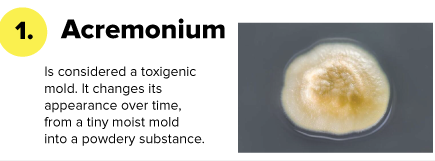
Acremonium
Cladosporium
is an allergenic mold type that grows both in warm and cold settings. It commonly thrives in carpets, fabrics, and upholsteries, as well as inside cupboards and under floorboards.
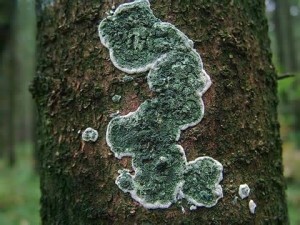
Trichoderma
Is an allergenic mold that is white-colored with green patches. Its common habitat are wet areas such as carpets, wallpaper, and other damp fabric.
Aspergillus
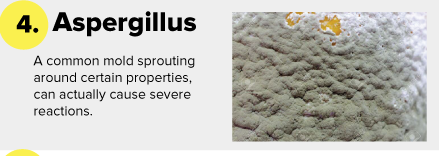
Commonly sprouting around certain properties, the Aspergillus can cause severe reactions. Some of its adverse effects are respiratory infections, allergic reactions, and inflamed lungs. In case this mold type won’t be eradicated in any area at home, it could surely impose inconvenience.
Aureobasidium
Typically found on the wooden furniture, surfaces, painted walls, and wallpaper, it can be noticed that it is in black and pink color. According to certain studies, this type of mold is the worst because of its extreme effects on homeowners by intensive allergic reactions.
Can you identify mold species by colour?
You cannot reliably identify mold species by color alone. Colour can help describe what you see, but it does not confirm the species, the health risk or the correct cleanup method.
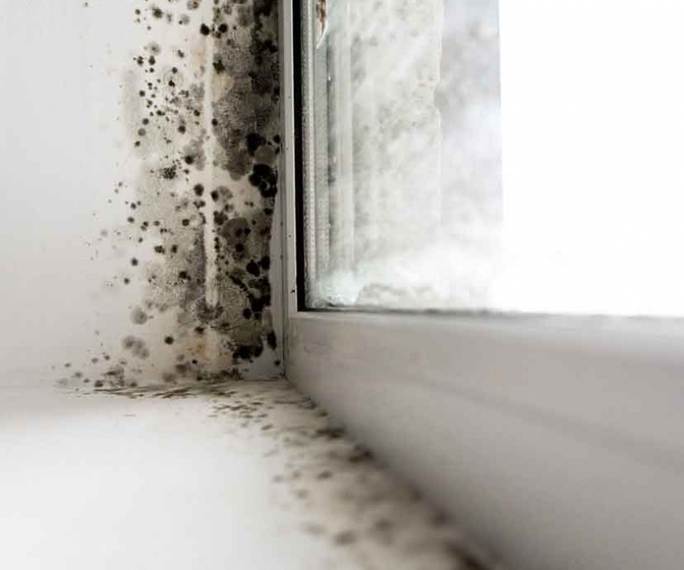
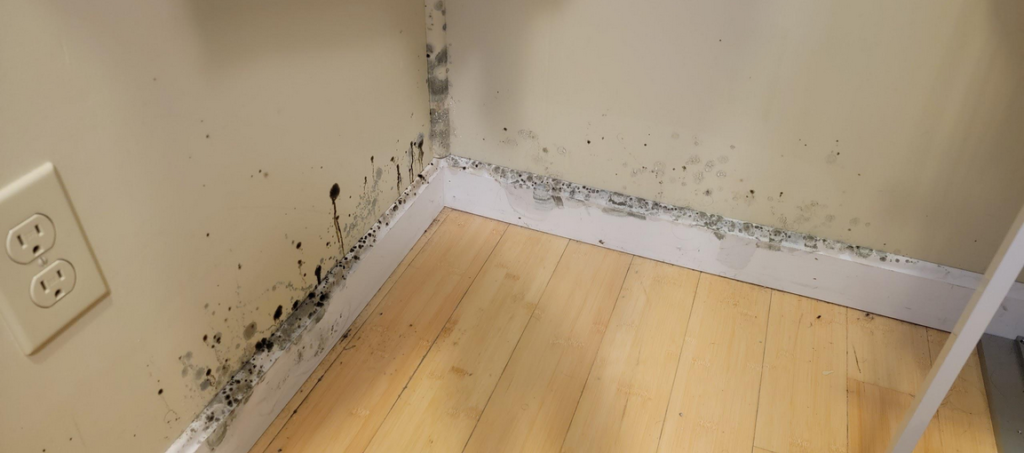
For example, black mold on a wall is not automatically Stachybotrys chartarum. Several molds can look black, brown or dark green. White mold can be young growth, surface growth on wood, efflorescence mistaken for mold, or a different fungal group altogether. Green mold may be Penicillium, Aspergillus, Cladosporium or another species.
Also Read – How to Identify Different Types Of Mold in Your Home [GUIDE]
Stachybotrys chartarum
A better first description is: colour, texture, location, material, odour, moisture source and size. That gives a mold inspector or remediation professional more useful context than colour alone.
Can Mold Make You Sick?
Molds are usually not a problem indoors unless mold spores land on a wet or damp spot and begin growing. Molds have the potential to cause health problems. Molds produce allergens and irritants. Allergens are substances that can cause allergic reactions. Inhaling or touching mold or mold spores may cause allergic reactions in sensitive individuals. Allergic responses include:
- Hay fever-type symptoms (sneezing, runny nose, red eyes, and skin rash)
- Breathing Difficulties
- Skin irritation
- Other Allergic reactions
- Aggravation of asthma symptoms
Does the mold species change the removal plan?
In most home situations, species does not change the first step. Visible mold should be addressed, the moisture source should be fixed, and affected materials should be cleaned or removed using safe containment and proper protection.
Species can matter in three situations:
- A lab report is needed for documentation, insurance, a real estate transaction or a dispute.
- A vulnerable occupant has asthma, immune suppression, chronic lung disease or persistent symptoms.
- The mold appears after major water damage, flooding, sewage exposure or long-term hidden moisture.
Even then, the species name does not replace the building assessment. A small spot of mold on bathroom caulking and a large hidden colony behind wet drywall are completely different problems, even if a lab report detects similar genera.
Where different mold species grow in Toronto homes
Mold species follow moisture, food source and airflow. In Toronto homes, the location often tells you more than the colour.
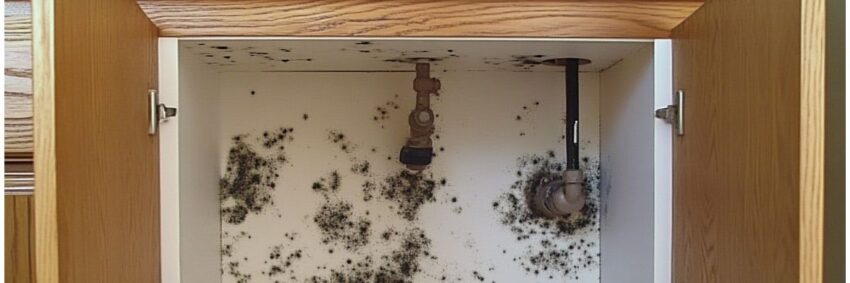
Basements often develop mold after foundation seepage, high humidity, stored cardboard, wet carpet, poor air movement or finished wall systems that trap moisture. Penicillium, Aspergillus, Cladosporium, Chaetomium and Ulocladium are common concerns in damp basement conditions.
Bathrooms often support Alternaria, Cladosporium and other surface molds because showers, poor exhaust ventilation and wet grout create repeated moisture cycles.
Attics often develop mold on roof sheathing when warm indoor air leaks into a cold attic and condenses on wood. In that setting, the issue is usually ventilation, insulation, air sealing or roof moisture rather than the species name alone.
Window areas often show Cladosporium, Aureobasidium or other dark surface growth because condensation collects on cold frames, sills and trim.
HVAC and air conditioner areas can collect dust and moisture, which may support Aspergillus, Cladosporium and Penicillium. If mold is suspected inside ducts, coils or a window AC unit, the inspection should focus on moisture, dust load, drainage and whether spores are being distributed.
Which mold species are dangerous?
No indoor mold should be treated as harmless if it is actively growing in a living space. Mold exposure can irritate the eyes, nose, throat, skin and lungs. People with allergies or asthma may react more strongly. People with weakened immune systems or chronic lung disease can face higher risk from some fungal exposures.
That does not mean every mold spot is a medical emergency. It means the safest framing is practical and evidence-based: remove indoor mold growth, correct the moisture problem and avoid disturbing large colonies without protection or containment.
Stachybotrys chartarum deserves careful handling because it grows on very wet cellulose materials and is associated with the phrase “black mold.” But public-health sources also stress that all indoor mold growth should be addressed, and that testing for one specific species is usually less important than safe removal and moisture correction.
When does mold testing matter?
Mold testing can help when the mold is hidden, the source is unclear, the odour is strong but growth is not visible, or documentation is needed. Testing may also support post-remediation verification after a larger cleanup.
Testing is less useful when mold is already visible and the moisture source is obvious. In that case, the priority is to stop the water problem and remove the mold safely.
A good inspection should look at building conditions, not only a lab result. Moisture readings, thermal patterns, leak history, ventilation, affected materials, occupant concerns and visible growth all help explain why mold is present.
Mold species by material
Different materials change the risk and cleanup method.
Hard non-porous materials such as tile, glass and metal can often be cleaned when the affected area is small and the moisture source is controlled.
Semi-porous materials such as wood need closer assessment because mold can stain, root into surface layers or return if the wood stays damp.
Porous materials such as drywall, insulation, carpet, ceiling tile and cardboard often need removal when they are moldy, wet for too long or contaminated beyond the surface.
This is why a species chart should never stand alone. The cleanup decision depends on species, material, moisture, size, exposure risk and whether the mold has spread behind the visible surface.
What should you do if you find mold?
If you find a small patch of surface mold, stop the moisture source, improve ventilation and clean the area with proper protection. Avoid dry brushing or aggressive scraping because that can release spores.
If mold covers a larger area, returns after cleaning, appears after flooding, grows on drywall or insulation, or smells strong and musty, book a professional mold inspection. Hidden mold can spread behind walls, under flooring and inside building cavities.
If anyone in the home has asthma, chronic respiratory disease, immune suppression, severe allergies or ongoing symptoms, keep them away from the affected area and speak with a healthcare professional about health concerns.
When to call Ultimate Mold Crew
Call Ultimate Mold Crew when mold is larger than a small surface patch, appears on drywall or insulation, attic mold removal, mold returns after cleaning, follows a leak or flood, or creates a strong musty odour.
Our Toronto mold removal team checks the moisture source, affected materials, visible growth, hidden spread risk and containment needs before cleanup. The goal is not just to remove what you can see. The goal is to stop the condition that allowed the mold to grow.
For free mold inspection or affordable cost effective mold removal in Toronto, call 647-985-2739.
 Contact the Ultimate Mold Crew Today for a Mold-Free Tomorrow!
Let’s create a healthier, happier living space, Toronto! 
FAQs
What are the most common mold species in homes?
The most commonly cited indoor mold groups are Aspergillus, Cladosporium and Penicillium. Alternaria is also common in damp indoor areas. Stachybotrys and Chaetomium are important because they can indicate long-term water damage.
Is black mold always Stachybotrys?
No. Several molds can look black or dark green. Colour alone cannot confirm Stachybotrys chartarum. A lab test can identify species, but visible mold still needs moisture correction and safe removal.
Do I need to know the mold species before removing it?
Usually no. If mold is visible, the first step is to fix the moisture source and remove the growth safely. Species testing may help when growth is hidden, the case is complex or documentation is needed.
Which mold species grow on drywall?
Penicillium, Aspergillus, Stachybotrys, Chaetomium and other molds can grow on damp drywall or paper-faced gypsum board. Persistent moisture makes drywall a common mold-supporting material.
Can mold species affect health differently?
Some molds produce allergens, irritants or mycotoxins, and some people are more sensitive than others. In practice, any indoor mold growth should be addressed because risk depends on exposure, amount of growth, occupant health and moisture conditions.
Why does mold keep coming back after cleaning?
Mold usually returns because the moisture source was not fixed. Common causes include leaks, condensation, high humidity, poor ventilation, wet insulation, damp drywall or hidden water damage.
Sources
- Health Canada: Guide to addressing moisture and mould indoors
https://www.canada.ca/en/health-canada/services/publications/healthy-living/addressing-moisture-mould-your-home.html - CDC: Mold
https://www.cdc.gov/mold-health/about/ - EPA: A Brief Guide to Mold, Moisture and Your Home
https://www.epa.gov/mold/brief-guide-mold-moisture-and-your-home - NIEHS: Mold
https://www.niehs.nih.gov/health/topics/agents/mold - Johns Hopkins Medicine: Molds in the Environment
https://www.hopkinsmedicine.org/health/conditions-and-diseases/molds-in-the-environment -
Adverse human health effects associated with molds in the indoor environment (PubMed / IOM review)
https://pubmed.ncbi.nlm.nih.gov/12762072/ -
A Brief Guide to Mold in the Workplace | OSHA
https://www.osha.gov/publications/shib101003 -
ANSI/IICRC S520 Standard for Professional Mold Remediation (industry consensus standard referenced in your article)
https://s3.amazonaws.com/fcstores/stores/435276/3932/606129_S520.pdf -
IICRC S520 Official Page
https://iicrc.org/s520/
