
Updated on 15-Jun-2026
You open a closet and notice a stale, earthy smell.
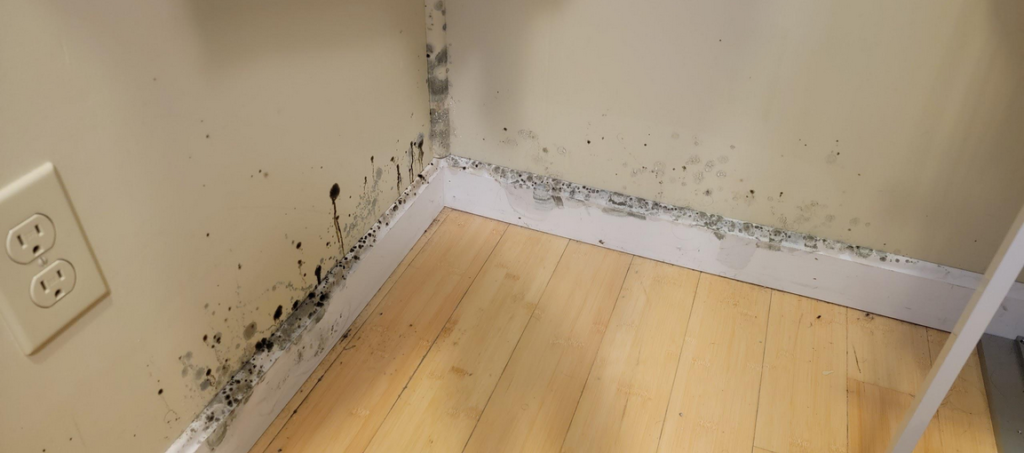
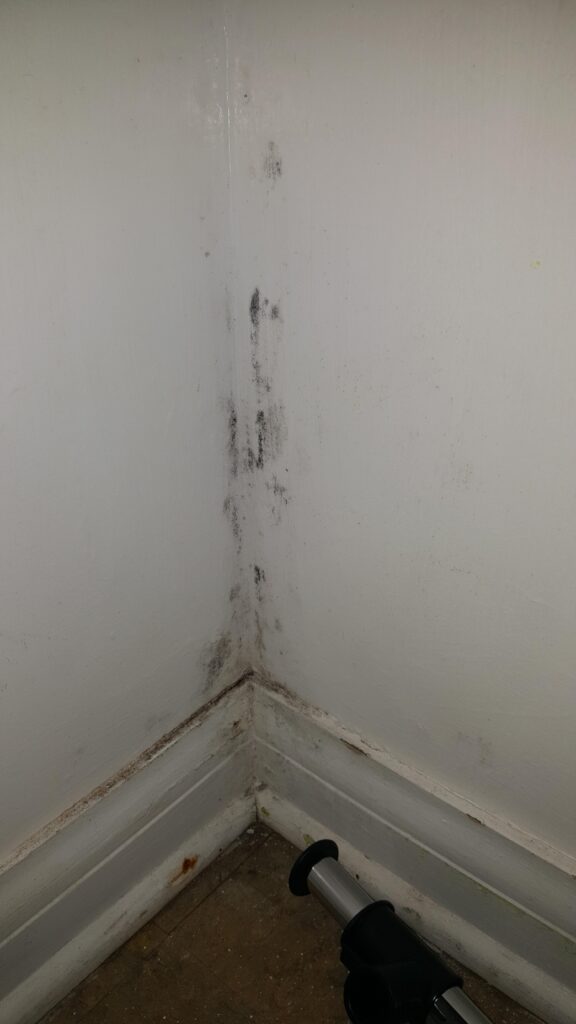
A coat has pale spots on one sleeve. Leather shoes feel damp. The back wall looks grey near the baseboard.
Many Toronto homeowners assume the clothing caused the problem.
In our experience, the closet is often revealing a moisture problem that began somewhere else.
A wardrobe creates a small indoor environment within the larger room.
Closed doors restrict airflow. Stored clothing absorbs moisture. An exterior wall may become colder than the surrounding air.
A plumbing leak, window leak or damp basement wall can remain concealed behind shelving and boxes.
The result is a slow moisture cycle:
Humid air enters the closet → air reaches a cold or poorly ventilated surface → condensation or dampness develops → porous materials retain moisture → mold colonizes clothing, drywall, wood or dust.
Cleaning one jacket will not solve that cycle.
The wall, contents and moisture source must be assessed together.
Table of Contents
Key Takeaways
- Mold inside a closet is usually a moisture and airflow problem, not simply a housekeeping issue.
- Common causes include condensation on exterior walls, plumbing leaks, damp clothing, basement humidity and overfilled enclosed storage.
- Mold on clothing does not prove the wall is moldy, but both may have been exposed to the same damp conditions.
- A musty smell can appear before visible growth becomes obvious.
- Drywall, cardboard, leather, natural fibres and unfinished wood are more vulnerable than clean, non-porous materials.
- Small surface growth may be manageable when the moisture source is known and corrected.
- Recurring mold, soft drywall, widespread contamination or hidden wall damage warrants professional investigation.
- The correct solution is to control moisture, clean or remove damaged materials and restore airflow around stored contents with the help of a top rated professional mold removal services in Toronto.
Why Mold Grows Inside Closets
Mold requires moisture and a suitable food source.
Closets provide plenty of potential nutrients. Dust, fabric fibres, cardboard, drywall paper, leather, wood and skin oils are organic materials that can support fungal growth when they remain damp.
The problem is rarely darkness alone. Mold can grow in dark or light areas.
The more important conditions are:
- Elevated relative humidity
- Condensation
- Water intrusion
- Limited air circulation
- Damp porous materials
- Moderate indoor temperatures
- Time
Health Canada recommends controlling indoor dampness and cleaning visible mold regardless of its colour or suspected species. It also advises investigating concealed areas when mouldy odours or moisture damage suggest a hidden problem.
Why Closets Develop Their Own Microclimate
A closet can be colder and more humid than the bedroom around it.
That difference becomes important in Toronto homes during winter.
Warm indoor air contains water vapour. When that air reaches a cold exterior wall, the surface temperature may fall below the air’s dew point. Water then condenses on the wall, baseboard, metal fasteners or stored belongings.
A tightly packed wardrobe makes the condition worse.
Clothing blocks heat from reaching the wall. Boxes reduce circulation near the floor. Closed doors limit air exchange with the room. The wall remains colder while moisture stays trapped.
The closet may therefore develop mold even when the bedroom appears dry.
The relationship is simple:
Exterior wall → loses heat → interior surface becomes cold → humid closet air contacts surface → condensation forms.
This pattern is common in:
- Older brick homes
- Houses with limited wall insulation
- Toronto semidetached properties
- Condominiums with concrete exterior walls
- Basement bedrooms
- Closets built into foundation walls
- Corner rooms exposed on two exterior sides
Common Causes of Mold in Closets and Wardrobes
1. Condensation on an Exterior Wall
Exterior-wall closets are among the most common problem locations we inspect.
Clothes and boxes placed directly against the wall reduce warmth and airflow. A cold section of drywall or plaster may then collect moisture.
Typical clues include:
- Mold concentrated on the back wall
- Growth behind hanging clothes
- Dampness in winter
- Black or grey spotting near corners
- Condensation around fasteners
- Mold behind a freestanding wardrobe
- A problem that improves during summer
Condensation can occur without a plumbing or roof leak.
However, repeated wetting can still damage drywall paper, paint, baseboards and stored belongings.
2. An Overfilled Closet
Storage density affects ventilation.
An overfilled closet traps humid air between garments and limits evaporation from damp surfaces. Clothing pressed against walls may absorb condensation before the homeowner notices it.
Overcrowding also hides early warning signs.
By the time the smell becomes obvious, mold may be present on:
- The wall
- The back of a dresser
- Fabric storage bins
- Shoes
- Suitcases
- Cardboard boxes
- Wooden shelves
More space does not eliminate mold by itself, but it makes moisture control and inspection far easier.
3. Damp Clothing Put Away Too Soon
A coat exposed to snow, rain or perspiration can introduce moisture into the closet.
The same applies to:
- Gym clothing
- Towels
- Shoes
- Winter boots
- Umbrellas
- Laundry that is not fully dry
- Garments stored in plastic while damp
One wet item may raise humidity around neighbouring fabrics.
Mold may first appear on organic residue rather than clean textile fibres. Body oils, food stains, soil and dust make fabric more susceptible.
The Canadian Conservation Institute notes that mould growth on textiles is strongly influenced by relative humidity and recommends lowering humidity, increasing circulation and examining stored fabrics regularly.
4. A Plumbing Leak Behind the Closet
Closets often conceal plumbing serving an adjacent bathroom, kitchen or laundry area.
A slow pipe or drain leak can wet the back of the drywall long before the room-side surface changes colour.
Possible warning signs include:
- Mold concentrated around one wall section
- A stain that expands after showering
- Damp baseboards
- Peeling paint
- Soft drywall
- Rusted fasteners
- A persistent odour despite dehumidification
- Moisture near a bathroom or laundry room
A wardrobe positioned against the wall may hide the damage for months.
5. Water Entering Around a Window or Exterior Wall
Bedroom closets are sometimes located beside windows, roof intersections or exterior masonry.
Failed caulking, flashing defects, masonry cracks or roof drainage problems may allow water into the wall assembly.
The visible mold may appear several feet away from the entry point because water follows framing, fasteners and drywall joints.
6. High Basement Humidity
A basement closet may be affected by the room’s overall moisture load.
Common contributors include:
- Foundation seepage
- Concrete moisture
- Poor drainage
- Summer humidity
- A dehumidifier that is undersized or not operating
- Wet carpet
- Uninsulated cold-water pipes
- Finished walls built close to damp masonry
Basement storage also tends to be dense. Cardboard boxes, luggage and seasonal clothing can conceal both moisture and mold.
Toronto Public Health recommends controlling prolonged indoor humidity, improving ventilation and addressing sources of dampness to prevent basement mould growth.
7. Furniture Placed Against a Cold Wall
A freestanding wardrobe can create the same problem as a built-in closet.
When a large cabinet sits flush against an exterior wall, heat cannot reach the surface behind it. Moist air becomes trapped in the narrow gap.
This often produces a distinct pattern:
- The room-facing side looks clean
- The wardrobe interior smells musty
- Mold appears on the cabinet back
- The wall behind the unit contains heavier growth
- Damage follows the exact outline of the furniture
8. A Roof or Attic Leak Above the Closet
Top-floor closets can be affected by:
- Roof leaks
- Ice damming
- Attic condensation
- Wet insulation
- Plumbing vent leaks
- Flashing failures
The first visible signs may occur at the upper wall corner or ceiling line.
A roof leak should not be assumed from the stain location alone. Moisture mapping and inspection are needed to identify the actual path.
Signs of Mold in a Closet
Visible black patches are only one possible sign.
Look for:
- A musty or earthy odour
- White, green, grey, brown or black spotting
- Powdery growth on shoes or leather
- Speckled marks on clothing
- Damp fabric
- Peeling paint
- Bubbling wallpaper
- Swollen shelving
- Soft drywall
- Warped baseboards
- Condensation on the back wall
- Rusted shelf brackets
- Water staining
- Clothing that smells stale after washing
- Mold that returns after cleaning
- Discolouration behind boxes or furniture
A musty smell is evidence that something needs investigation, but odour alone cannot identify the location or species.
Is It Mold, Mildew or Dust?
“Mildew” is often used as a casual term for light surface fungal growth.
From a building-remediation perspective, the practical question is not whether the spot should be called mold or mildew. The important questions are:
- Is fungal growth present?
- What material is affected?
- Why is the material damp?
- Is the growth limited to the surface?
- Has moisture entered the wall assembly?
- Can the material be cleaned reliably?
- Will the problem return after cleaning?
Dust usually wipes away without staining or returning.
Efflorescence is a crystalline mineral deposit found on damp masonry or concrete. It may look white and powdery, but it is not mold.
A visual inspection can help distinguish these conditions. Laboratory analysis is not required for every closet problem.
Why Clothing Becomes Moldy in a Wardrobe
Clothing can absorb water vapour directly from humid air.
Natural and blended materials may also hold:
- Perspiration
- Skin oils
- Soil
- Food residue
- Detergent residue
- Atmospheric dust
These deposits provide additional nutrients.
The garment does not need to feel wet. Prolonged exposure to elevated humidity can be enough, especially where clothes are tightly compressed and rarely moved.
Commonly affected items include:
- Wool coats
- Leather jackets
- Cotton shirts
- Suede shoes
- Handbags
- Hats
- Stored bedding
- Vintage garments
- Fabric suitcases
- Natural-fibre storage boxes
Synthetic fabrics are not immune. Mold can grow on organic dirt deposited on the surface even when the fibre itself is less nutritious.
Can Moldy Clothing Be Saved?
Some items can be cleaned. Others should be discarded.
The decision depends on:
- Fabric type
- Value
- Extent of growth
- Duration of exposure
- Odour
- Care instructions
- Whether contamination penetrated padding or lining
- Whether the person handling the item is sensitive to mold
Clothing That May Be Salvageable
Washable garments with limited surface growth may be recoverable when:
- The fabric remains structurally sound
- The care label permits washing
- Growth is light and localized
- The item can be dried completely
- No strong odour remains after cleaning
Use the hottest water permitted by the care label and an appropriate laundry detergent.
Do not return cleaned clothing to the closet until the storage area is dry and the source has been corrected.
Clothing That Needs Specialist Cleaning
Consider a textile conservator, leather specialist or professional cleaner for:
- Leather
- Suede
- Fur
- Wedding clothing
- Vintage textiles
- Heirloom garments
- Structured jackets
- Delicate fabrics
- Valuable handbags
- Items labelled dry-clean only
Tell the cleaner that fungal growth is suspected. Not every cleaner accepts contaminated items.
Items That May Need Disposal
Disposal may be the safer and more practical option when:
- Mold covers a large portion of the item
- Growth penetrates thick padding
- The material is deteriorated
- Odour remains after repeated cleaning
- The item has little replacement value
- The wearer has severe allergies or immune suppression
- The object cannot be cleaned without damage
Do not shake moldy clothing inside the home. Agitation can release particles into the air and spread debris to clean rooms.
What About Shoes, Handbags and Leather?
Leather contains organic material and readily absorbs moisture.
Minor surface growth may sometimes be cleaned by a leather-care professional. Heavy growth can penetrate finishes, seams, foam and lining.
Shoes deserve special attention because moisture may remain inside:
- Insoles
- Toe boxes
- Foam padding
- Fabric lining
- Soles
- Stitching
Cleaning the outer surface does not guarantee that the interior is dry.
UMC already has a dedicated guide for treating mold on shoes. This closet article therefore concentrates on why multiple stored belongings become contaminated and how the wardrobe environment should be corrected.
Does Mold on Clothes Mean There Is Mold Behind the Wall?
Not necessarily.
Clothing may become moldy because it was stored damp or exposed to high humidity.
However, wall damage becomes more likely when:
- Mold is concentrated on garments closest to one wall
- The drywall is stained or soft
- Baseboards are swollen
- A plumbing fixture is located on the other side
- The closet is on an exterior wall
- The odour remains after contents are removed
- Moisture readings are elevated
- Growth returns after cleaning
- The wardrobe backs onto a basement foundation
The contents and the building should be evaluated as connected parts of the same moisture event.
Can Mold Grow Behind Closet Drywall?
Yes.
Closet drywall can conceal mold caused by:
- Plumbing leaks
- Exterior water entry
- Foundation seepage
- Condensation within the wall
- Wet insulation
- Roof leaks
- Past flooding
- Air leakage from humid rooms
The front surface may remain intact while the back paper supports growth.
Possible indicators include:
- Persistent odour
- Repeated spotting after cleaning
- Softness
- Discolouration at joints
- Damp baseboards
- Elevated moisture readings
- A history of water damage
Infrared imaging may help identify temperature anomalies, but it does not see mold and cannot confirm moisture on its own.
A moisture meter, visual assessment and selective inspection opening may be required.
Should You Remove the Closet Shelves?
Not automatically.
Shelving can be retained when it is dry, structurally sound and cleanable.
Removal becomes more likely when:
- Growth extends behind shelf supports
- Particleboard is swollen
- Unfinished wood is deeply stained
- Shelving blocks access to moldy drywall
- The wall cavity requires inspection
- The material retains odour
- Water reached concealed joints
- Mold returns after surface cleaning
Laminated particleboard is difficult to restore after water enters exposed edges. The board often swells and loses strength.
Is Closet Mold Dangerous?
Health effects vary by person, exposure and condition of the building.
Health Canada states that indoor mould exposure may contribute to eye, nose and throat irritation, coughing, wheezing, shortness of breath and worsening asthma symptoms. People with allergies, asthma, chronic respiratory conditions or weakened immune systems may be more susceptible.
Colour does not determine risk.
A black spot is not automatically Stachybotrys chartarum. White or pale growth should not be dismissed as harmless.
The appropriate response is to remove visible mold safely and correct the moisture that allowed it to grow.
Should You Test Closet Mold?
Testing is not always the first or most useful step.
When visible mold and dampness are present, the need to correct moisture and clean or remove affected materials is already clear.
Testing may be considered when:
- A musty odour remains but no source is visible
- A landlord, insurer or legal matter requires documentation
- The suspected area cannot be accessed
- The extent of contamination is uncertain
- Post-remediation verification is appropriate
- An independent consultant recommends sampling as part of a defined investigation
A consumer test plate cannot determine whether the wall is dry or whether contaminated drywall remains behind shelving.
Moisture assessment usually provides more actionable information.
How to Inspect a Moldy Closet Safely
Start by limiting disturbance.
- Keep children and pets away.
- Do not shake clothing in the room.
- Photograph visible damage.
- Check whether the wall feels damp or soft.
- Look for plumbing fixtures on adjacent walls.
- Inspect the ceiling, baseboard and floor.
- Note which objects are affected.
- Check the room’s relative humidity.
- Look for condensation on windows or exterior walls.
- Stop active water entry before cleaning.
Health Canada advises using gloves, eye protection and a disposable N95 respirator when cleaning small mold areas. It also recommends HEPA vacuuming and cleaning with water and detergent rather than relying on bleach.
How to Clean a Small Amount of Mold in a Closet
Small, isolated surface growth may be manageable when:
- The moisture source is known
- The wall is structurally sound
- No contaminated water was involved
- The total affected area is limited
- No vulnerable occupant is exposed
- Mold is not suspected inside the wall
A basic approach is:
- Remove clean items first.
- Bag or isolate affected contents.
- Wear appropriate protective equipment.
- HEPA-vacuum settled dust where appropriate.
- Clean washable hard surfaces with water and unscented detergent.
- Avoid saturating drywall.
- Dry all surfaces completely.
- Launder or professionally clean salvageable clothing.
- Discard unsalvageable porous materials.
- Keep the closet empty until the moisture problem is corrected.
The Canadian Centre for Occupational Health and Safety advises against routine use of chlorine bleach for mould remediation and warns that ordinary vacuuming can aerosolize particles. HEPA-filtered equipment reduces that risk.
Why Bleach Is Not a Complete Closet Mold Solution
Bleach is often treated as a universal answer.
It is not.
Bleach does not correct:
- Condensation
- High humidity
- Plumbing leaks
- Wet insulation
- Mold behind drywall
- Damp clothing
- Inadequate airflow
- Water-damaged particleboard
It may also discolour fabric, damage finishes and create irritating fumes.
The lasting solution is:
Find moisture → stop moisture → remove unsalvageable material → clean salvageable surfaces → dry the assembly → prevent recurrence.
When Closet Drywall Should Be Removed
Drywall may need removal when it is:
- Soft
- Swollen
- Crumbling
- Delaminated
- Persistently damp
- Heavily stained
- Visibly moldy across a broad area
- Affected on the concealed side
- Wet from contaminated water
- Blocking access to damaged insulation
- Emitting odour after surface cleaning
Surface treatment cannot restore deteriorated gypsum board.
Removal should be performed with appropriate containment when demolition could spread mold-contaminated dust into the bedroom or adjacent living area.
What to Do With Cardboard Boxes
Cardboard is highly absorbent and difficult to clean after mold growth.
Replace moldy storage boxes rather than returning them to the closet.
Before disposal:
- Photograph valuable contents
- Remove clean, dry items carefully
- Wipe non-porous belongings
- Isolate contaminated paper
- Avoid carrying uncovered moldy boxes through the home
For future storage, use cleanable plastic bins with caution.
A sealed bin protects contents from room humidity only when the stored items are already completely dry. Sealing damp clothing inside plastic can trap moisture.
How Professionals Investigate Closet Mold
A professional assessment may include:
Moisture Mapping
Readings are taken across the closet wall, baseboard, flooring and adjacent room to identify abnormal patterns.
Relative Humidity and Temperature Review
The technician evaluates whether the closet is consistently more humid or colder than the occupied room.
Building-Envelope Assessment
Exterior walls, windows, foundations and roof interfaces may be examined for condensation or water entry.
Plumbing Review
The relationship between the affected wall and nearby supply or drain lines is considered.
Selective Opening
A small opening may be required to inspect insulation, framing or the rear side of drywall.
Contents Assessment
Clothing, boxes, shoes and furniture are separated into cleanable, specialist-cleaning and disposal categories.
Remediation Planning
The scope may include containment, HEPA filtration, drywall removal, structural cleaning, drying and post-remediation inspection.
When to Call a Mold Remediation Company
Professional help should be considered when:
- The closet has extensive visible growth
- Mold covers multiple walls or contents
- The drywall is soft or damaged
- A musty smell remains after contents are removed
- The source is hidden
- The closet backs onto a bathroom or foundation wall
- Mold returns after cleaning
- Water entered from sewage or a contaminated drain
- Several closets are affected
- Occupants have asthma or significant mold sensitivity
- Demolition is required
- The bedroom cannot be isolated safely
- Valuable contents need coordinated handling
The visible closet growth may represent only the accessible part of the problem.
How Ultimate Mold Crew Handles Closet and Wardrobe Mold
Our first objective is to determine why the closet became damp.
The remediation plan may involve:
- Inspecting the closet and surrounding room
- Reviewing past leaks, condensation and humidity
- Mapping moisture in walls and flooring
- Moving and categorizing affected contents
- Establishing containment where necessary
- Removing damaged drywall, insulation or shelving
- HEPA-vacuuming contaminated surfaces
- Cleaning salvageable structural materials
- Drying the wall or floor assembly
- Confirming that the moisture source has been addressed
- Recommending storage and ventilation improvements
- Preparing the area for repair
Cleaning visible mold without correcting the closet microclimate invites recurrence.
Preventing Mold in Closets and Wardrobes
Leave Space Around Exterior Walls
Keep clothing, boxes and furniture slightly away from cold exterior surfaces.
A small air gap allows warmth and circulation to reach the wall.
Avoid Packing Clothes Tightly
Garments should hang without being compressed.
Air needs to move between fabrics.
Dry Everything Before Storage
Never store damp:
- Coats
- Towels
- Shoes
- Boots
- Sports equipment
- Umbrellas
- Laundry
- Seasonal bedding
Use a Hygrometer
A small digital hygrometer can reveal whether the closet remains more humid than the room.
Health Canada generally recommends maintaining indoor relative humidity near 30 to 50 percent, adjusted for season and building conditions. Humidity should be low enough to prevent condensation on cold surfaces.
Improve Air Exchange
Options may include:
- Leaving doors open periodically
- Using louvred doors
- Adjusting supply-air pathways
- Avoiding blocked vents
- Running a properly sized dehumidifier in damp basements
- Using bathroom and kitchen exhaust fans
- Keeping return-air paths clear
Do not install random vents into a cold or damp wall cavity without understanding the building assembly.
Insulate Cold Surfaces Correctly
Repeated winter condensation may indicate an insulation, air-sealing or thermal-bridge problem.
Simply covering the wall with new panelling can conceal the moisture rather than solve it.
Use Cleanable Storage
Plastic bins are easier to wipe than cardboard.
Breathable garment bags may be preferable for some dry textiles. Storage choice should match the item and humidity conditions.
Inspect Seasonally
Empty or partially clear the closet at least a few times each year.
Check:
- Back walls
- Upper corners
- Baseboards
- Shelf undersides
- Shoes
- Leather goods
- Boxes
- The floor beneath hanging clothes
Toronto homeowners should pay particular attention during humid summers and cold winter periods when exterior-wall condensation is more likely.
Toronto Closet Mold Patterns We Commonly See
Older Brick Homes
Closets may be built against poorly insulated masonry walls. Cold surfaces and air leakage create localized condensation.
Condominiums
Concrete exterior walls can remain cool. Furniture or wardrobes placed directly against them restrict warming and evaporation.
Finished Basements
Closets may conceal foundation seepage, damp insulation or walls constructed without adequate moisture management.
Top-Floor Bedrooms
Closet ceiling damage may relate to roof leaks, attic condensation or wet insulation.
Rental Apartments
Limited ventilation, shared plumbing and delayed maintenance can allow minor moisture problems to become widespread.
The property type changes the likely source, but the core principle remains the same. Mold grows where moisture persists.
Frequently Asked Questions
Why does my closet smell musty but show no visible mold?
The odour may come from damp clothing, mold behind stored items, wet drywall, old cardboard or concealed growth inside the wall.
Empty the closet and inspect the wall, floor, baseboard and shelving. A persistent odour warrants moisture investigation.
Can a closet be moldy because the doors stay closed?
Closed doors can reduce circulation, but they are rarely the only cause.
There must also be enough moisture to support growth. Look for humidity, condensation, damp garments or hidden leaks.
Why is mold growing only on the back wall?
The back wall may be colder, poorly insulated or affected by water intrusion.
Clothing placed against it may also trap humid air and prevent the surface from warming.
Can I keep clothes that were stored beside mold?
Clean, dry garments without visible growth may often be retained.
Launder or HEPA-clean them as appropriate before returning them to a remediated closet. Isolate visibly affected items for proper cleaning or disposal.
Should I wash every item in the closet?
Not always.
Prioritize garments with visible growth, odour, direct contact or prolonged exposure. Non-porous items can usually be wiped. Delicate textiles may need specialist care.
Does mold die when clothing dries?
Dry conditions may stop active growth, but drying does not remove spores, fragments, staining or odour.
The item still requires appropriate cleaning.
Can a dehumidifier solve closet mold?
A dehumidifier can reduce ambient moisture.
It cannot repair a leak, remove moldy drywall, dry saturated insulation or correct a severe thermal bridge by itself.
Should I put moisture absorbers in the wardrobe?
Small desiccant products may help in limited enclosed storage.
They are not a substitute for ventilation, leak repair or whole-room humidity control. They also require regular replacement.
Can mold grow in a cedar closet?
Yes.
Cedar may resist some insects and odours, but it is still wood. Mold can grow on cedar dust, finishes and surface contaminants when moisture persists.
Why does mold return after I clean the closet wall?
Recurring mold means moisture or contaminated material remains.
Possible causes include condensation, hidden growth, wet insulation, plumbing leaks or a wall that never dried completely.
Is closet mold covered by home insurance?
Coverage depends on the policy and cause.
Sudden accidental water damage may be treated differently from long-term condensation, repeated leakage or maintenance issues. Document the damage and contact the insurer promptly.
Can closet mold spread to the rest of the bedroom?
Particles can move when contaminated clothing is shaken, walls are scrubbed aggressively or drywall is demolished without containment.
The more important concern is whether the moisture problem also affects nearby walls, flooring or furniture.
Mold in a Toronto Closet or Wardrobe?
A musty wardrobe is often the first visible clue to a larger moisture problem.
The right response is not to spray the wall and put the clothes back.
The closet, contents, wall assembly and moisture source should be evaluated as one system.
Ultimate Mold Crew provides mold inspections, moisture assessment and professional remediation throughout Toronto and the Greater Toronto Area.
Call 647-985-2739 when mold is recurring, concealed behind a wardrobe, affecting multiple belongings or damaging drywall and shelving.
